
How to Remove composite deck stain | Cleaning & Care Solutions

Composite deck stain can be removed without damaging the board surface if you use the right method and clean at the right time. For B2B buyers, contractors, and facility managers, the goal is simple: restore appearance, protect service life, and avoid costly abrasion on composite decking.
Start with the right cleaner
Most stains on composite decking come from oil, food, rust, tannins, or construction residue. Begin with a pH-neutral cleaner and warm water, then test a small hidden area before treating the full deck. On capped products, such as capped composite decking boards, use soft-bristle brushes and non-metal tools to avoid scratching the protective shell.

Remove common stain types
Different stains need different cleaning logic:
- Oil and grease: use a composite-safe degreaser and rinse thoroughly.
- Tannin and leaf stains: apply an oxygen-based cleaner and lightly scrub.
- Rust and mineral marks: use a non-acidic cleaner designed for outdoor flooring.
- Paint or sealant splatter: soften first, then lift carefully with a plastic scraper.
Avoid pressure washing too close to the surface. Excess force can open the texture on decking composite boards, especially on grooved or embossed profiles, and can leave visible cleaning tracks.
Prevent repeat staining
Cleaning is only part of the job. Good care practices reduce downtime and keep outdoor areas presentable for clients, tenants, and visitors. Sweep debris regularly, clear drainage paths, and clean after high-traffic events or seasonal weather. In commercial settings, a scheduled wash cycle is often more effective than occasional deep cleaning.
If your project uses composite decking in public or semi-public spaces, choose products with strong stain resistance and stable color performance. Higher-quality capped composite decking usually performs better under repeated cleaning and UV exposure, making it a practical option for long-term asset management.
Practical care rules
- Use mild cleaners first, stronger products only when needed.
- Rinse thoroughly so residue does not attract new dirt.
- Keep metal furniture feet and construction materials off the surface.
- Store chemicals away from the deck during maintenance work.
When replacement is the better option
If a stain has penetrated deeply, or if the board has been damaged by harsh chemicals, replacement may be more economical than restoration. This is especially true for large commercial installations where appearance standards are strict. Matching the original decking composite boards and confirming the exact product line helps maintain uniform color and texture across the project.
FAQ
Q: Can I use bleach to remove composite deck stain? A: It is better to avoid bleach unless the manufacturer specifically allows it. Bleach can discolor the surface and leave patchy results.
Q: What is the safest way to clean tough stains? A: Start with a mild composite-safe cleaner, soft brushing, and a full rinse. Move to a product-specific stain remover only if the mark remains.
Q: How often should composite decking be cleaned? A: Clean it routinely based on traffic and exposure, typically after heavy use and during seasonal maintenance. Regular care prevents stains from setting.
Related Articles

Related Products
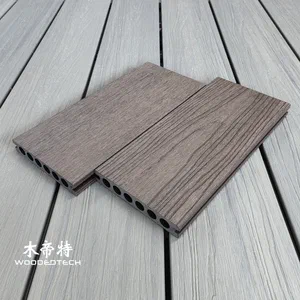 3DGD13823 Second Generation 3D Embossed Rosewood Composite Balcony Decking Delivers Ultra Realistic Wood Grain Texture and a Premium Natural Wood Experience
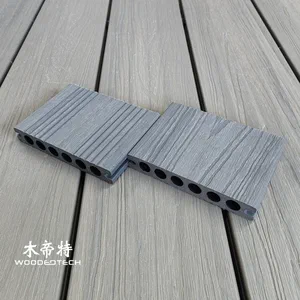 GD13823-3 Light Grey Premium Co Extrusion WPC Composite Decking Offers LG Texture and Excellent UV Resistance for Outdoor Spaces
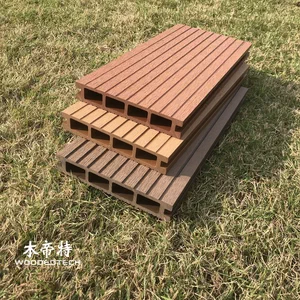 D14025-3 Square Hole Double Sided Grooved WPC Board Factory Producing Outdoor Decking Boards With Good Slip Resistance