
How to Install Composite Deck Boards 16 on Center: Structural Span Guide
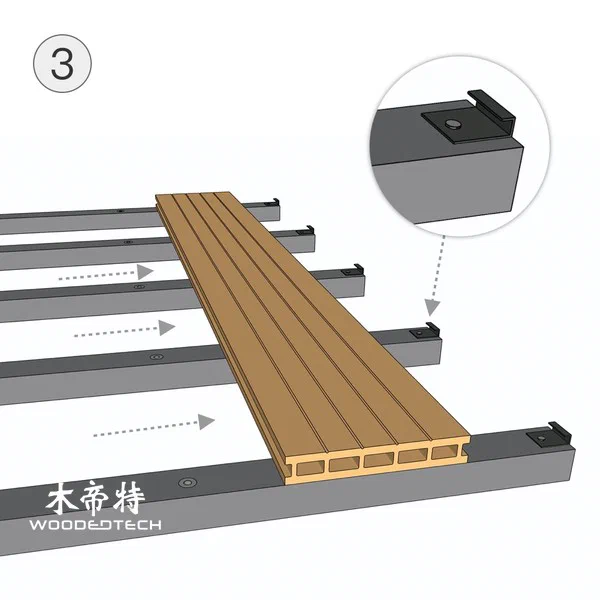
Installing composite deck boards 16 on center starts with one rule: the joist layout must match the board’s structural rating, not just the deck’s appearance. For commercial projects, that means checking span charts, fastening requirements, and moisture exposure before installation begins. When the framing is correct, composite decking performs more predictably and delivers a cleaner, longer-lasting surface.
Structural Span Basics
A 16-inch on-center joist spacing is common for many composite deck systems, but it is not universal. Solid composite decking usually tolerates wider support than hollow profiles, while capped boards often require tighter control over deflection and load transfer. Always confirm the manufacturer’s span table for the exact product, especially if the deck will carry heavy foot traffic, furniture, or equipment.
Framing and Substructure
The substructure should be flat, square, and securely fastened before any boards go down. Use joists that are dry, straight, and properly treated for exterior use, and make sure blocking is added at seams, board ends, and stair openings where extra support is needed. If the project uses composite deck boards 16 ft lengths, plan the layout in advance so end joints land on framing and waste is minimized.

Installation Details
Start the first board straight and reference it carefully; every following course depends on that alignment. Use hidden clips or approved fasteners recommended for the product line, and pre-drill where the system requires it to prevent mushrooming or edge damage. Keep fastener placement uniform, because uneven attachment can create movement, squeaks, or visible lift.
Cut board ends cleanly and seal exposed framing where needed to improve durability. Around perimeter edges, stairs, and picture-frame borders, follow the accessory system rather than improvising with mixed hardware. For industrial buyers and contractors, installation efficiency improves when boards, clips, trims, and joists are sourced as a matched system.
Practical checks before handover
- Verify joist spacing against the product span chart
- Confirm board direction, fastening pattern, and expansion gaps
- Inspect ledger, flashing, and drainage details
- Check finished surface for levelness and loose fasteners
Long-Term Performance
A deck built on proper 16-inch centers should deliver stable performance with less flex and fewer service issues. Routine cleaning, drainage control, and periodic fastener checks help preserve appearance and structural integrity. For procurement teams, the best results come from combining correct framing with quality composite decking boards designed for exterior use and commercial loading.
FAQ
Q: Can all composite deck boards be installed 16 on center? A: No. The allowable span depends on board construction, thickness, and the manufacturer’s published guidelines.
Q: Do composite boards need tighter spacing than wood? A: Often yes, especially for hollow or lighter profiles. Always follow the specific span table and fastening instructions for the product.
Q: Why does board length matter on large projects? A: Longer boards can reduce seams, but they require careful planning so joints land on framing and expansion gaps stay consistent.
Related Articles
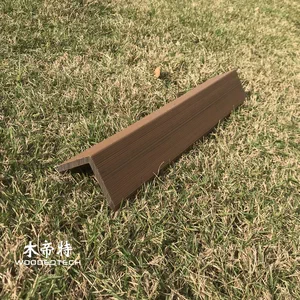
Related Products
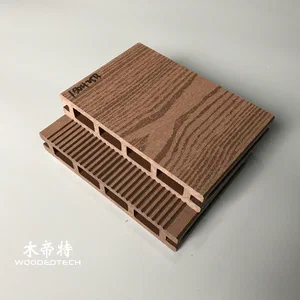 D15025-2 Classic Waterproof Insect Resistant Corrosion Resistant And Termite Resistant Composite Decking Types With Twenty Years Of Sales Experience
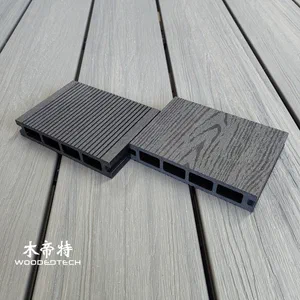 D14025-4 WPC Decking Boards Feature a Flat Wood Grain Surface with Black Ebony Heartwood Ring Grain for Outdoor Applications
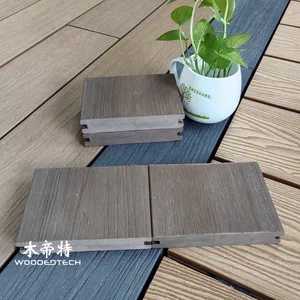 GD14025S Capped WPC Provides a Solid Board Structure for Better Load Bearing Performance and Reduced Space for Insects Inside the Board