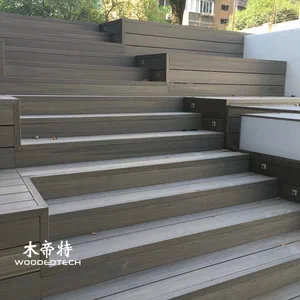
How to Install a Composite Deck with Border: Professional Design Ideas
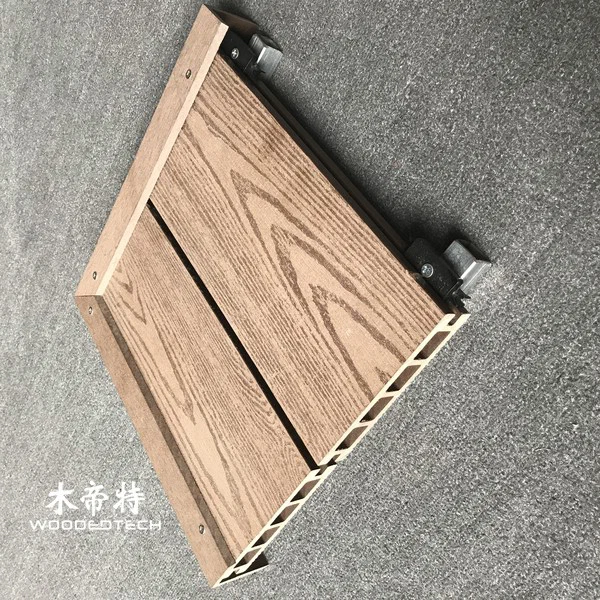
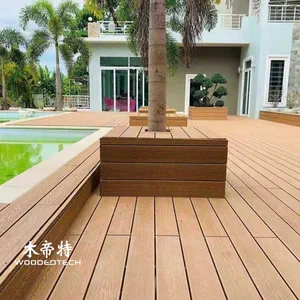
Composite decking with a border creates a clean, premium finish that works well for commercial terraces, hospitality projects, and branded outdoor spaces. For B2B buyers, the design is not just about appearance; it also improves layout definition, reduces visual wear at edges, and supports a more professional installation standard.
Why a Border Matters
A border frame gives the deck a clear perimeter and helps the main field look more organized. On larger projects, it can separate seating zones, guide traffic flow, and make the whole surface feel custom-built rather than standard stock installation. It is especially useful when working with different board colors or when the deck connects to landscaping, stairs, or railing systems.
For installation, plan the border before laying the main boards. The frame should be square, level, and fixed on a stable joist structure. Many installers use a darker border color for contrast, while others match the main deck and rely on direction changes or picture-frame detailing for a subtle, upscale result.
Professional Design Ideas
One common approach is the picture-frame border, where the edge boards run around the entire deck perimeter. This works well for composite deck projects that need a polished retail or hospitality look. A second option is a double border, which adds one accent ring inside the outer frame and is often used on larger decks to create visual depth.

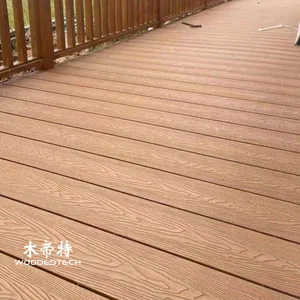
Direction also affects the final appearance. Running the field boards in one direction and the border boards in another creates a more architectural look. This technique is practical for commercial sites because it makes expansion gaps and transitions easier to manage while keeping the deck visually balanced.
Installation Points Buyers Should Check
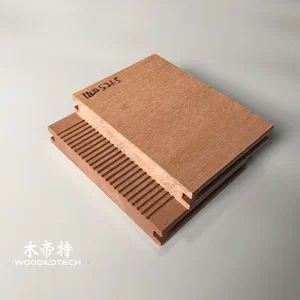
Before placing an order, confirm the decking material, board profile, and fastening system. For exterior use, capped composite decking is often preferred because it offers better stain resistance and easier maintenance. Also check joist spacing, drainage, and thermal expansion requirements, since border details need accurate cutting and consistent gaps.
- Use a rigid joist frame for border stability
- Keep border cuts precise to avoid uneven corners
- Match fasteners and clips to the board system
- Allow for expansion in hot climates
- Choose slip-resistant finishes for public areas
FAQ
Q: Is a border suitable for all composite deck projects? A: Yes, but it is most effective on medium to large decks where the edge detail can be seen clearly. Small decks may need a simpler frame to avoid looking crowded.
Q: What board type works best for a bordered design? A: Capped composite decking is a strong choice for commercial projects because it handles weather and stains well. It also keeps the border looking consistent over time.
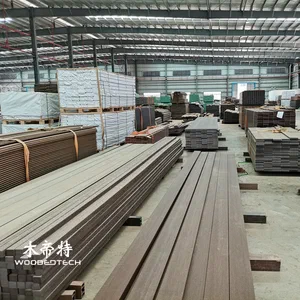
Q: Can border layouts be customized for bulk orders? A: Yes, many suppliers support custom lengths, colors, and project-specific layouts. This is common for hotels, resorts, and exterior commercial developments.