
How to Fix Composite Decking Boards: A Professional Repair Guide
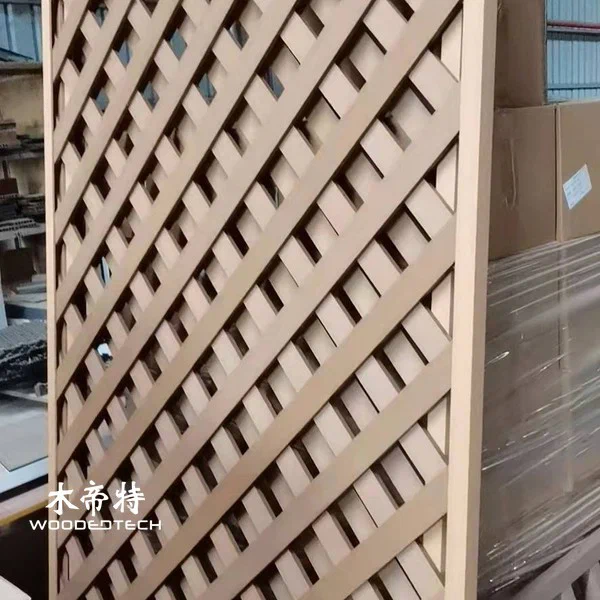
Composite decking boards can usually be repaired without replacing the entire deck, provided the underlying structure remains sound. This professional guide explains how to fix common wood plastic composite (WPC) decking problems, including installation errors, color differences, thermal expansion, surface scratches, and routine maintenance issues.
1. Correct Installation Errors
Loose boards, uneven surfaces, gaps that vary along the deck, and raised edges often indicate installation problems. Start by checking the joist spacing, subframe alignment, fastener positions, and clip installation. Ensure the supporting structure is level, stable, and suitable for the selected composite decking boards.
For boards that move or lift, inspect the hidden clips and screws for damage, incorrect positioning, or insufficient fastening. Replace damaged clips with compatible fittings and secure the boards according to the manufacturer’s installation instructions. If a board is warped or severely damaged, remove it carefully and install a replacement rather than forcing it back into position.
Adequate drainage and ventilation beneath the deck are also essential. Standing water and restricted airflow can contribute to long-term problems with the supporting structure and deck performance.
2. Resolve Color Differences
Color variations can occur because of different production batches, natural weathering, uneven sunlight exposure, or surface contamination. WPC contains wood fibers and polymers, so its appearance may change slightly as the material weathers outdoors.
First, clean the affected boards with water, a soft brush, and a composite-compatible cleaner. Allow the surface to dry before comparing colors. Avoid aggressive sanding, strong solvents, or unapproved coatings, especially on capped composite decking, because they can damage the protective surface.
If the difference remains significant, check the original product batch and color specification. When ordering replacement composite decking boards, request a close color match and confirm the batch details where possible. Replacing a board in a less visible location may also help distribute unavoidable color differences more naturally.
3. Fix Expansion and Gapping Problems

Composite decking expands and contracts as temperatures change. Insufficient end-to-end gaps, restricted board movement, and incorrect installation clearances can cause buckling, edge lifting, or excessive pressure against fixed structures.
Inspect the gaps between boards, at board ends, and around walls or posts. Compare the installed clearances with the manufacturer’s requirements for the product, board length, and installation temperature. If gaps are insufficient, carefully remove the affected boards and recut or reposition them as needed.
Check that fasteners do not prevent the boards from moving as designed. Never force buckled boards flat by adding extra screws without identifying the cause. Correct expansion clearances and proper subframe support are essential for durable WPC decking.
4. Repair Scratches and Surface Damage
Minor scratches and scuffs can sometimes become less noticeable through cleaning and normal weathering. Remove dirt first, then assess the damage under good lighting. For uncapped composite decking, follow the manufacturer’s guidance on light sanding, as the treatment may alter the surface texture or color.
For capped composite decking, avoid sanding the protective layer. Deep scratches, cracked boards, and damaged edges generally require board replacement. Use compatible replacement boards and the correct fastening system to maintain a consistent finish and secure installation.
5. Maintain WPC Decking for Long-Term Performance
Regular maintenance helps prevent avoidable repairs. Sweep away leaves and debris, clean spills promptly, and periodically wash the deck with a suitable cleaner. Keep drainage channels clear and remove debris trapped between boards.
- Inspect fasteners, clips, joists, and board gaps at least seasonally.
- Use furniture pads to reduce scratches and localized pressure.
- Avoid metal shovels, abrasive brushes, and unapproved pressure-washing settings.
- Follow the manufacturer’s guidance for cleaning products, water pressure, and winter maintenance.
If problems recur after repair, document the affected area, installation details, product batch, and photographs. A WPC decking supplier or after-sales engineer can use this information to determine whether the cause is installation-related, environmental, or material-related.
FAQ
Q: Can damaged composite decking boards be replaced individually?
A: Yes. Most systems allow individual boards to be replaced, although access to fasteners and the deck layout may affect the repair process.
Q: Why are my composite decking boards buckling?
A: Common causes include insufficient expansion gaps, restricted movement, uneven joists, and incorrect fastening. Inspect the installation before replacing the boards.
Q: Can I use wood stain to restore faded composite decking?
A: Do not apply wood stain unless the manufacturer explicitly approves it. Use a compatible composite cleaner and follow the product-specific restoration recommendations.
Related Articles
 wpc composite decking reviews share customer experiences about outdoor flooring performance and long term use
 Composite decking questions help customers understand materials installation and maintenance requirements
 5m Long Composite Decking Boards Reduce Installation Joints for Spacious Outdoor Deck Areas
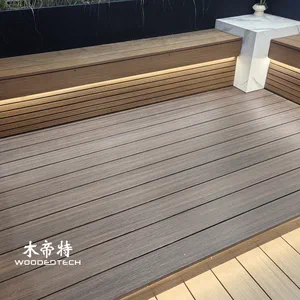 WPC mit nut und feder Solutions for Industrial Decking Applications
Related Products
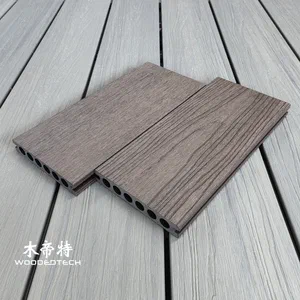 3DGD13823 Second Generation 3D Embossed Rosewood Composite Balcony Decking Delivers Ultra Realistic Wood Grain Texture and a Premium Natural Wood Experience
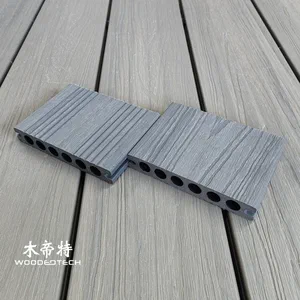 GD13823-3 Light Grey Premium Co Extrusion WPC Composite Decking Offers LG Texture and Excellent UV Resistance for Outdoor Spaces
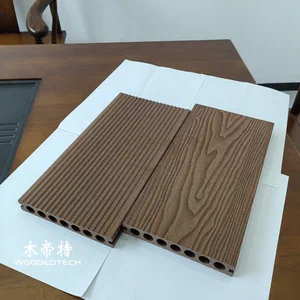 3D15023 First Generation 3D Embossed Composite Deck Boards With Stable Quality And High Performance For Premium Outdoor Projects