
How To Find Composite Decking Clearance Products With Good Value

Composite decking clearance products can offer strong value, but only when the supplier is reliable and the specifications are clear. Overseas buyers should compare factory capability, product consistency, and export support before focusing on price alone. For Chinese WPC manufacturers, the right clearance deal is one that reduces inventory cost without creating hidden risk.
Check the supplier first
A low quote means little if the factory cannot deliver stable quality. Buyers should confirm whether the supplier is a real wpc factory with enough production capacity, a complete QC process, and export experience in the target market. Ask for company registration, recent shipment records, and references from overseas clients with similar project sizes.
Factory visits or video audits should focus on the production line, raw material storage, lab testing, and packing area. A reliable supplier can explain the difference between capped composite decking, co extrusion decking, and standard wpc decking without vague marketing language. If the sales team cannot discuss structure, wear layer, color consistency, and loading method in practical terms, that is a warning sign.
Confirm the specifications in writing
Clearance products are often sold from existing stock, so buyers must verify exact details before ordering. Confirm board size, surface finish, color, weight, core structure, and package quantity. For composite decking boards, small differences in thickness or density can affect installation, appearance, and service life.
It is also important to define acceptable tolerances. Ask for product photos, sample boards, and a current specification sheet that matches the actual batch. If the order is for composite decking sales channels, resale packaging and labeling should also be checked in advance, especially when the buyer needs private label or mixed-container loading.
Key items to lock before payment
- Product type and structure
- Board dimensions and tolerance range
- Surface treatment and color
- Load quantity and packaging method
- Test reports and warranty terms
- Lead time for stock release and shipment
Avoid the common buying risks
The biggest risk in clearance purchasing is assuming all stock is equal. Some products are discounted because of overstock, but others may be old color lots, minor cosmetic defects, or slow-moving dimensions that are difficult to sell. Buyers should ask directly why the product is on clearance and whether the stock is fully first-grade.

Another common issue is hidden mismatch between sample and bulk goods. To prevent disputes, approve one reference sample and one signed confirmation sheet before production or shipment. For large orders, use a pre-shipment inspection to check appearance, dimensions, and packing. This is especially important for composite decking price deals that look attractive on paper but lose value through rework, claims, or customer returns.
Buy for resale, not just for the lowest price
Good value means the product can move quickly in your market. The right clearance item should still fit local installation habits, climate needs, and customer preferences. Buyers who sell to contractors may prefer reliable composite decking quality levels and stable supply over the very cheapest option. Buyers serving project channels should focus on consistency, documentation, and on-time delivery.
A Chinese WPC supplier with export discipline will help you balance price and risk. That is the real value in clearance purchasing.
FAQ
Q: What makes a composite decking clearance product worth buying? A: It should still meet your market’s size, quality, and appearance requirements. A real discount only matters if the stock can sell without creating complaint risk.
Q: How can I verify a WPC supplier is reliable? A: Check factory capacity, export history, QC process, and written specifications. Samples and a pre-shipment inspection are the fastest way to confirm consistency.
Q: Should I always choose the cheapest clearance offer? A: No. The lowest price can become expensive if the product is unstable, hard to install, or difficult to resell. Value depends on total landed cost and market fit.
Related Articles
 How To Choose The Right Wpc Decking Price For Your Outdoor Flooring Needs
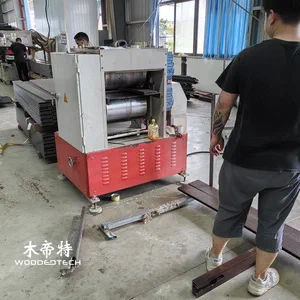 Composite deck manufacturers list helps buyers find reliable global WPC decking suppliers
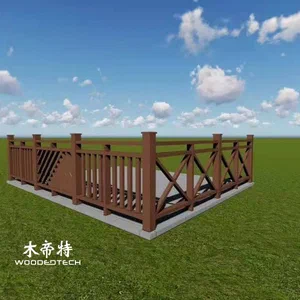 Does composite decking warp and how can quality materials reduce outdoor deformation
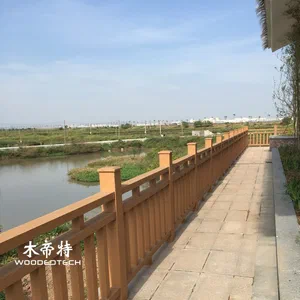 composite decking clearance provides affordable options for outdoor renovation projects
Related Products
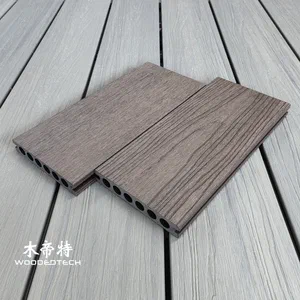 3DGD13823 Second Generation 3D Embossed Rosewood Composite Balcony Decking Delivers Ultra Realistic Wood Grain Texture and a Premium Natural Wood Experience
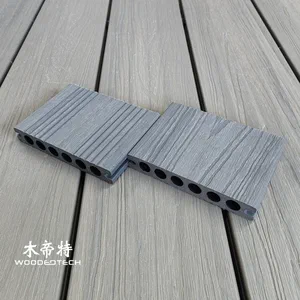 GD13823-3 Light Grey Premium Co Extrusion WPC Composite Decking Offers LG Texture and Excellent UV Resistance for Outdoor Spaces
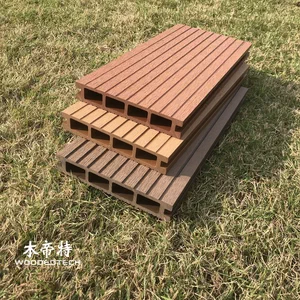 D14025-3 Square Hole Double Sided Grooved WPC Board Factory Producing Outdoor Decking Boards With Good Slip Resistance