How To Find Competitive Wpc Outdoor Decking Price For Landscape Projects

Finding a competitive WPC outdoor decking price for landscape projects starts with comparing more than the unit cost. Buyers need a clear view of material structure, surface treatment, durability, order volume, and shipping terms before they can judge true value.
What Drives WPC Outdoor Decking Price
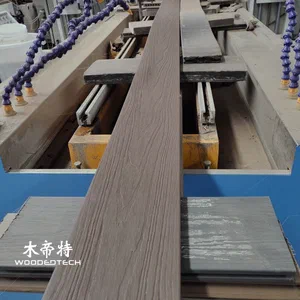
WPC outdoor decking price is shaped by the raw material blend, board profile, cap layer, surface finish, and production method. Co-extrusion products usually cost more than standard boards because they offer better stain resistance, color stability, and longer service life in exposed landscaping use.
Project size also matters. Large landscape orders often qualify for factory-direct pricing, while small repeat purchases may look cheaper at first but end up costing more per square meter once packing, freight, and waste are added.
How To Compare Suppliers Properly
A good price comparison starts with the same specification across every quote. Check board size, thickness, density, surface texture, color, packaging, and loading quantity so you are comparing equivalent products, not just different names on a quotation.
Ask for these details before making a decision:
- Material composition and whether the board is capped or uncapped
- Surface type, such as embossed, grooved, or co-extrusion
- UV resistance, slip resistance, and weather performance
- Warranty terms and expected outdoor lifespan
- MOQ, lead time, and export packing standard
Landscape buyers should also confirm whether the supplier is a true manufacturer. A wpc factory with direct production and export experience can usually control cost, quality consistency, and delivery timing better than a trading-only source.
Why Landscape Projects Need More Than A Low Quote
Outdoor landscape decking is exposed to sun, rain, foot traffic, and cleaning cycles. A price that looks attractive on paper can become expensive if the boards fade, warp, or need early replacement.
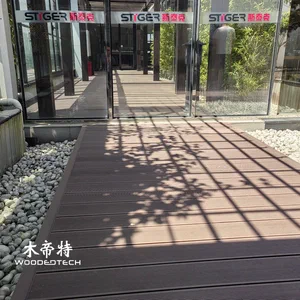
For public walkways, resort paths, rooftop decks, and garden platforms, the more reliable option is usually a balanced specification with stable color, strong surface wear resistance, and low maintenance. That is where a well-made wpc decking board often outperforms cheaper plastic wood decking alternatives over the project lifecycle.
Getting A Better Price Without Sacrificing Quality
Buyers can improve pricing by matching product structure to actual project demand. For example, a decorative garden path may not need the same heavy-duty specification as a commercial terrace, and selecting the right board profile can reduce material waste and installation cost.

It also helps to work with a supplier that offers export-ready packing, consistent color batches, and custom lengths. These details reduce on-site loss and make installation faster, which improves overall project economics even when the unit price is not the absolute lowest.
FAQ
Q: What is the best way to compare WPC decking prices? A: Compare the same thickness, surface treatment, cap structure, and loading quantity from each supplier. Unit price alone does not show the real project cost.
Q: Why is co-extrusion WPC decking usually more expensive? A: It uses an extra protective layer that improves stain resistance, UV performance, and long-term appearance. That added processing raises the factory price.
Q: How can international buyers get a more competitive offer? A: Buy directly from a manufacturer, confirm the full specification, and request pricing based on project volume and shipping destination. This usually gives the clearest landed cost.