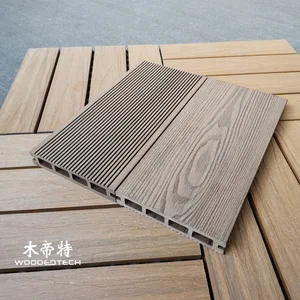
How to Evaluate a WPC Company for Reliable Industrial Supply Partnerships
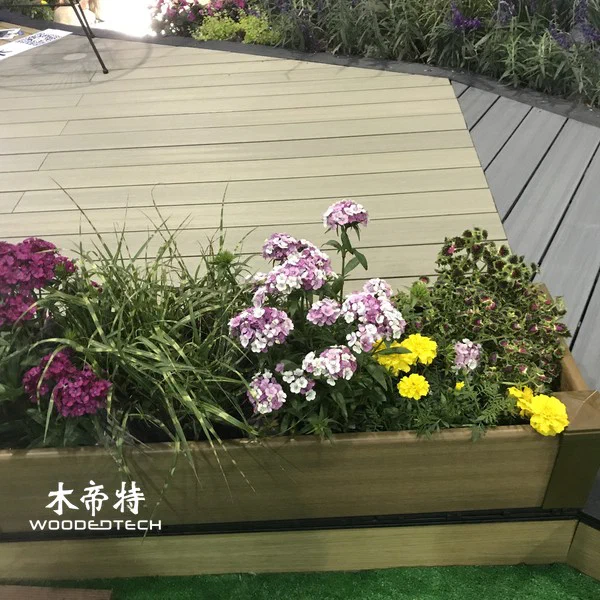
Choosing a reliable WPC company is essential for overseas buyers who need consistent product quality, stable production capacity, and dependable long-term supply. A qualified wood plastic composite manufacturer should offer more than competitive pricing; it should demonstrate manufacturing experience, transparent quality control, clear technical specifications, and professional export support. Evaluating these factors before placing an order helps reduce purchasing risks and build a sustainable industrial supply partnership.
1. Check the Manufacturer’s Background and Production Experience
The first step is to determine whether a WPC company is an actual manufacturer or simply a trading intermediary. Although trading companies can provide useful sourcing services, working directly with an experienced factory often gives buyers better control over product specifications, production schedules, customization, and pricing.
Ask the supplier about its factory location, years of manufacturing experience, main product categories, production equipment, and export markets. A professional WPC factory should be able to explain its manufacturing processes, including raw material preparation, extrusion, surface treatment, cutting, and final inspection.
Factory photos and company presentations are useful starting points, but they should not be the only evidence. Request a live video tour or arrange an independent factory inspection when the order value justifies it. Pay attention to whether the facility has dedicated production lines, sufficient warehouse space, organized raw material storage, and appropriate testing equipment.
For buyers planning regular container shipments or large commercial projects, production capacity deserves particular attention. A supplier should be able to explain its normal monthly output, current production commitments, and estimated lead times. These details help determine whether the company can support repeat orders without compromising delivery schedules.
2. Evaluate Product Quality and Material Consistency
WPC products are manufactured using a combination of wood fibers or wood flour, thermoplastics, and processing additives. Differences in raw material selection, formulation, extrusion conditions, and surface treatment can significantly affect the finished product.
When evaluating a WPC company, buyers should look beyond product appearance. Important quality indicators include:
- Material composition: Understand the wood fiber and plastic content, along with the additives used in production.
- Density and structure: Check whether the product has a consistent internal structure and meets the intended application requirements.
- Dimensional accuracy: Verify thickness, width, length, weight, and acceptable manufacturing tolerances.
- Mechanical performance: Review relevant test results for bending strength, impact resistance, and load-bearing performance.
- Weather resistance: Evaluate UV resistance, moisture absorption, temperature performance, and resistance to outdoor exposure.
- Surface quality: Check color consistency, embossing, texture, coating, and edge finishing.
For outdoor decking and cladding applications, durability under local environmental conditions is especially important. A product intended for a residential garden may have different performance requirements from one specified for commercial walkways, swimming pool areas, or public landscaping projects.
Ask suppliers for technical data sheets and available third-party laboratory reports. Check whether the reports identify the tested product, testing method, sample specifications, and issuing laboratory. A certificate or test report should relate to the actual product being purchased rather than a different product in the supplier’s catalog.
3. Confirm Specifications Before Requesting a Quotation
Unclear specifications are a common source of disputes in international WPC purchasing. Two suppliers may quote very different prices for products that appear similar in photographs but use different materials, structures, dimensions, or surface treatments.
Before requesting a formal quotation, prepare a detailed product specification sheet. For WPC decking, this should include the following information:
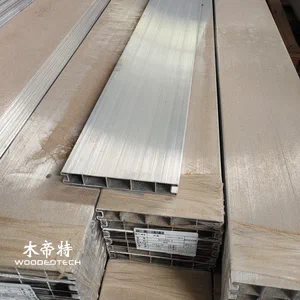
- Product type: Hollow, solid, capped, or co-extruded decking.
- Dimensions: Width, thickness, length, and dimensional tolerances.
- Material composition: Wood-plastic ratio and relevant material requirements.
- Surface treatment: Brushed, embossed, sanded, or other specified finishes.
- Color: Standard color selection or customized color reference.
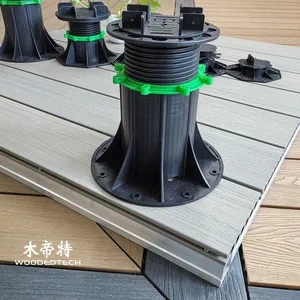
- Accessories: Joists, clips, screws, end caps, and installation components.
- Packaging: Individual protection, carton specifications, pallet requirements, and shipping marks.
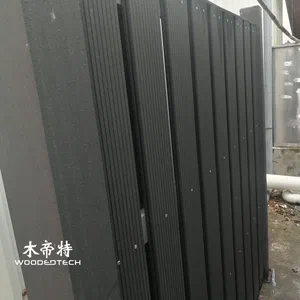
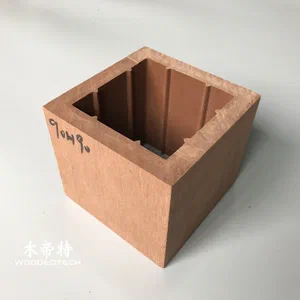
For WPC wall panels, fencing, pergolas, and other customized products, buyers should also provide drawings, cross-sectional profiles, installation requirements, and project quantities where applicable.
Pay particular attention to co-extrusion products. Confirm the core material, protective outer layer, surface thickness where relevant, and product-specific performance requirements. Do not assume that all co-extruded decking products offer identical protection or durability.
A reliable manufacturer should review the specifications, identify any technical limitations, and confirm the final requirements in writing. The approved specification sheet should become part of the purchase agreement.
4. Assess Quality Control and Production Management
A dependable WPC factory needs a repeatable quality management process, not just a good-looking sample. Buyers should understand how the manufacturer controls quality from incoming raw materials to finished-product packaging.
A practical inspection process generally covers three stages.
Incoming material inspection checks the quality and consistency of wood flour, plastic resins, pigments, and additives. Production inspection monitors extrusion temperature, line speed, product dimensions, surface appearance, and other process parameters. Final inspection checks finished products against approved specifications before packaging and shipment.
Ask whether the factory maintains inspection records and how it handles nonconforming products. It is also useful to understand whether production batches can be traced through internal records.
For large-volume orders, consider requesting a pre-production sample and a pre-shipment inspection. Samples should be approved before mass production begins, while final inspections should verify the actual goods against the agreed specifications.
A manufacturer that welcomes reasonable inspections and provides clear documentation is generally easier to work with than one that avoids technical questions or relies entirely on verbal quality assurances.
5. Compare Pricing, Lead Times, and Export Capabilities

Price is an important purchasing factor, but the lowest quotation does not necessarily represent the lowest total procurement cost. Significant price differences may reflect variations in material formulation, product weight, packaging, accessories, manufacturing standards, or commercial terms.
Request quotations based on identical specifications. Compare the unit price, minimum order quantity, tooling charges, sample costs, packaging expenses, production lead time, and shipping terms.
For international orders, confirm whether the quotation is based on EXW, FOB, CIF, or another Incoterm. Clarify which party handles export customs clearance, freight arrangements, insurance, and destination-related charges.
Export experience is another important consideration. A professional WPC supplier should understand export documentation, commercial invoices, packing lists, certificates of origin where applicable, and product classification requirements. Buyers should also confirm that the supplier can prepare packaging suitable for long-distance transportation and container loading.
Before making a deposit, establish a realistic production schedule and agree on how delays will be communicated. Written confirmation of payment terms, shipment deadlines, inspection arrangements, and responsibilities provides greater protection for both parties.
6. Verify Communication, After-Sales Support, and Long-Term Reliability
Industrial supply partnerships involve more than a single transaction. Overseas buyers often need ongoing technical support, replacement components, repeat production, customized specifications, and assistance with installation-related questions.
Evaluate how quickly the supplier responds to technical inquiries and whether its sales team understands the products it offers. A capable international sales manager should be able to explain product differences, recommend suitable specifications, provide technical documentation, and coordinate communication between the buyer and production team.
Also clarify the company’s after-sales policy before ordering. Discuss how quality complaints are handled, what evidence is required, how replacement products or compensation are assessed, and who covers related transportation costs when a verified manufacturing defect occurs.
For buyers developing a long-term distribution network, consistency between batches is particularly important. Ask whether the factory can retain approved samples, maintain production specifications, and use identifiable product codes for repeat orders.
The strongest WPC supply partnerships are built on transparent communication, documented requirements, realistic commitments, and measurable product performance. By evaluating manufacturing capability, material quality, technical specifications, quality control, export experience, and after-sales service together, overseas buyers can make more informed sourcing decisions. A reliable WPC company should be able to demonstrate not only that it can manufacture the products required today, but also that it has the production systems and commercial discipline to support future orders as the buyer’s business grows.