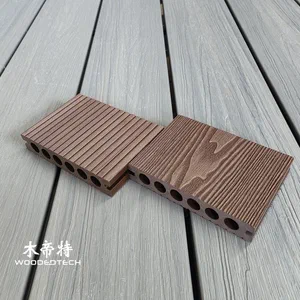
how to cut wpc panel
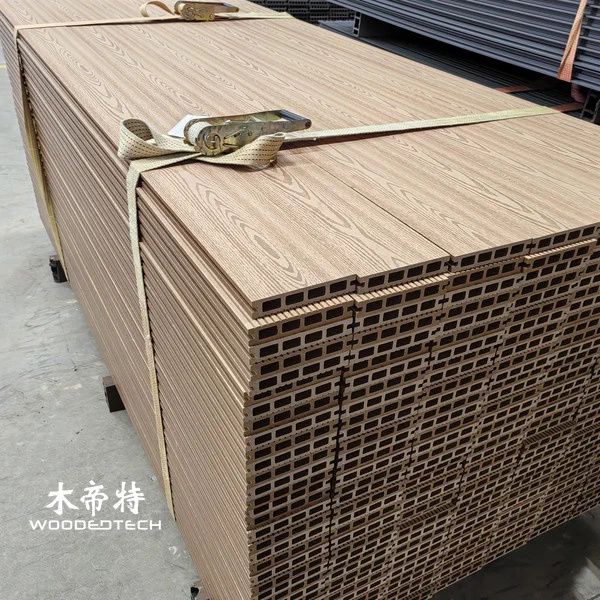
Wood-plastic composite (WPC) panels are widely used in both interior and exterior applications due to their durability, versatility, and eco-friendly properties. Cutting WPC panels effectively is a critical step in ensuring a professional finish and maintaining the material’s structural integrity. This guide will walk you through the tools, techniques, and tips for cutting WPC panels, tailored for industrial and B2B professionals.
Understanding WPC Panels
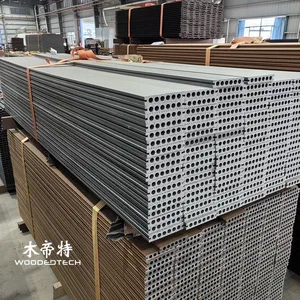
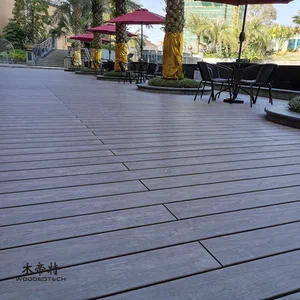
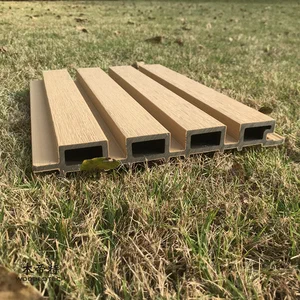
WPC panels are made from a combination of wood fibers and thermoplastics, resulting in a material that mimics the appearance of wood but offers greater resistance to moisture, pests, and environmental wear. These panels are commonly used in cladding, decking, partition walls, and furniture manufacturing. Because of their composite nature, WPC panels require specific cutting techniques that differ from traditional wood.

Tools Required for Cutting WPC Panels
The first step in cutting WPC panels is choosing the right tools. Using improper tools can lead to poor cuts, material splintering, or even tool damage. Here’s what you’ll need:
- Circular Saw: Ideal for straight cuts. Opt for a saw with a carbide-tipped blade for best results.
- Jigsaw: Good for curved or detailed cuts.
- Table Saw: Suitable for precision cuts, especially in larger manufacturing setups.
- Measuring Tools: A tape measure, T-square, or combination square to ensure accurate measurements.
- Clamps: To securely hold the panel in place while cutting.
- Safety Gear: Safety glasses, gloves, and a dust mask to protect against flying debris and fine particles.
Preparing for the Cut

- Measure and Mark: Use a pencil or marker to clearly outline the cutting area. Double-check your measurements to avoid errors.
- Secure the Panel: Place the WPC panel on a stable workbench or sawhorses. Use clamps to hold it firmly in place to prevent movement during cutting.
- Choose the Right Blade: A fine-toothed carbide blade works best for WPC panels as it reduces splintering and ensures a clean cut.
- Check Blade Alignment: Ensure your saw blade is aligned correctly to the cutting line. Misaligned blades can lead to uneven cuts.
Cutting Techniques for WPC Panels
Straight Cuts
For straight cuts, a circular saw or table saw is your best option. Follow these steps:
- Power on the saw and let it reach full speed before touching the blade to the panel.
- Guide the saw along the marked line with steady, even pressure. Avoid forcing the blade, as this can cause overheating or jagged edges.
- Once the cut is complete, inspect the edge. Sand any rough areas lightly if needed.
Curved or Detailed Cuts
When creating curved cuts or intricate designs, use a jigsaw:
- Choose a fine-toothed blade designed for composite materials.
- Drill a pilot hole if starting the cut from the middle of the panel.
- Guide the jigsaw slowly along the marked curve, maintaining steady control for accuracy.
Cutting Thick Panels
For thicker WPC panels, take a two-pass approach. First, make a shallow cut along the marked line to score the surface. Then, make a second pass to cut through the panel completely. This reduces stress on the material and minimizes chipping.

Tips for Best Results
- Avoid High Speeds: Cutting too quickly can cause melting or burning of the thermoplastics in the WPC panel.
- Keep Blades Sharp: Dull blades can tear the composite material, leading to rough edges.
- Maintain a Clean Workspace: Clear your cutting area of any debris to prevent accidents or uneven cuts.
- Test Before Cutting: If you’re unfamiliar with cutting WPC panels, practice on a scrap piece first to refine your technique.
- Use Dust Extraction Systems: Cutting WPC produces fine dust particles. A dust extraction system or vacuum can help maintain a clean and safe environment.
Post-Cutting Maintenance
After cutting, inspect the edges for any roughness or splinters. Use fine-grit sandpaper to smooth out imperfections, enhancing the panel’s overall finish. For panels exposed to outdoor conditions, consider sealing the edges with a waterproof sealant to prevent moisture infiltration.
Common Mistakes to Avoid
- Skipping Measurements: Inaccurate measurements lead to material wastage and improper fits.
- Using the Wrong Blade: Regular wood-cutting blades can damage WPC panels, resulting in frayed edges.
- Overlooking Safety: Always wear protective gear and follow safety guidelines to avoid accidents.
FAQ
Q: Can I use a regular wood saw to cut WPC panels?
A: While it’s possible, a regular wood saw may not provide clean cuts. A carbide-tipped blade designed for composites is recommended for the best results.
Q: Do WPC panels require sanding after cutting?
A: Not always, but if the edges are rough or uneven, light sanding with fine-grit paper can improve the finish.
Q: What’s the best way to cut large quantities of WPC panels?
A: For industrial-scale cutting, a table saw with a high-quality carbide blade is the most efficient option.
Q: Are WPC panels prone to chipping during cutting?
A: Chipping can occur if the wrong tools or techniques are used. Always use sharp, fine-toothed blades and cut at a steady pace.
Q: Can WPC panels be cut into intricate shapes?
A: Yes, a jigsaw with a fine-toothed blade is ideal for detailed cuts and curved designs.