How To Cut Wpc Fluted Panel

WPC fluted panels can be cut cleanly with the right blade, the right support, and the right feed rate. For B2B buyers, installers, and fabricators, the goal is not just a straight cut but a finished edge that installs fast and looks consistent on site. This guide explains how to cut WPC fluted panel safely and efficiently for commercial projects.
What WPC Fluted Panel Is
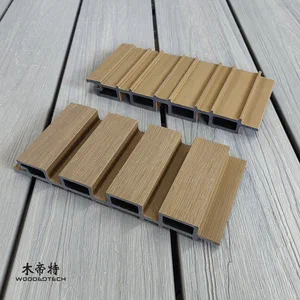
WPC fluted panel is a wood-plastic composite wall and ceiling material made from wood fiber, polymer resin, and additives. It is widely used in interior decoration, retail fit-outs, hospitality spaces, office lobbies, and feature walls because it offers a wood-like look with better moisture resistance and dimensional stability.
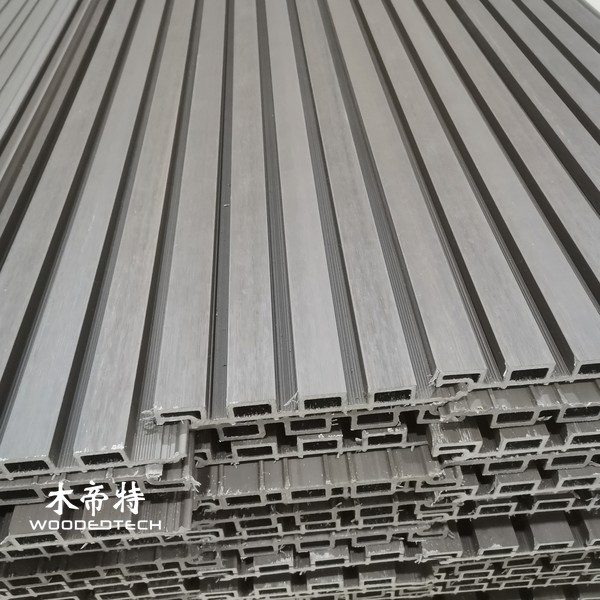
The fluted profile gives the surface a linear, architectural appearance, but it also means the panel needs careful handling during cutting. The hollow or grooved structure can chip, crush, or deform if the wrong tool is used. That is why cutting method matters as much as the panel itself.
Tools Needed
For most commercial projects, the following tools give the best results:
- Circular saw with fine-tooth carbide blade
- Miter saw for crosscuts and angled cuts
- Table saw for long, repeatable straight cuts
- Jigsaw for openings, curves, or irregular cutouts
- Clamps and a stable workbench
- Measuring tape, straightedge, and pencil
- Masking tape for reducing surface splintering
- Safety glasses, hearing protection, and dust mask

Best Blade For Cutting WPC Fluted Panel
A fine-tooth carbide-tipped blade works best for most WPC panel cuts. The goal is to minimize tear-out on the decorative surface and reduce crushing along the fluted channels.
For cleaner results:
- Use a blade designed for laminate, PVC, or composite materials
- Choose a higher tooth count rather than a coarse framing blade
- Keep the blade sharp to avoid overheating and rough edges
- Match blade diameter to the saw manufacturer’s recommendation
If the panel has a decorative film or textured finish, a clean-cut blade is especially important. Dull blades can leave melted edges, chipping, or burn marks, which may slow installation and increase waste on large orders.
How To Cut Wpc Fluted Panel Step By Step
1. Measure and mark carefully
Measure the panel twice before cutting. Use a straightedge and a sharp pencil or marking knife to create a clear cut line. For visible face cuts, mark on the back side when possible to reduce damage to the finished surface.
If the project involves repeated cuts, create a simple cutting template or use a stop block system. This is useful for commercial projects with many identical panels.
2. Support the panel fully
WPC fluted panel should be supported along the entire cut path. Unsupported sections can vibrate, causing chatter marks or cracking around the flutes.
Lay the panel flat on a stable surface and clamp it securely. If using a circular saw or jigsaw, make sure the cut line is not hanging over an edge. For long panels, use additional supports to prevent flexing.
3. Apply masking tape if needed
Masking tape along the cut line can help reduce surface chipping, especially on decorative finishes or laminated faces. Press the tape down firmly so it stays in place during cutting.
This step is simple, but on visible installations it can improve the final appearance and reduce touch-up work.
4. Cut with steady speed
Feed the saw at a controlled, even pace. Pushing too fast can chip the fluted profile, while moving too slowly can create heat and melting. Let the blade do the work.
For straight cuts:
- Use a circular saw or table saw for long runs
- Keep the saw base flat against the panel
- Follow the line without forcing the blade
For smaller jobs or onsite adjustments, a miter saw gives good accuracy. A jigsaw is better for openings, but it leaves a rougher edge and usually needs finishing.
5. Finish the edge
After cutting, inspect the edge for burrs, chips, or loose material. Light sanding with fine-grit sandpaper can improve fit and appearance. If the cut edge will be visible, take extra care to smooth it before installation.
For hidden edges, a neat but not cosmetic finish is usually enough. For exposed edges in retail or hospitality interiors, plan for edge trim, end caps, or a matching finishing strip.
Common Cutting Methods And Their Uses
Different project requirements call for different tools:
- Circular saw: best for fast straight cuts on site
- Table saw: best for production cutting and repeatability
- Miter saw: best for precise crosscuts and angle cuts
- Jigsaw: best for cutouts around sockets, columns, or fixtures
- Handsaw: suitable only for small adjustments or emergency trimming
For large-volume supply or fabrication work, table saw cutting is usually the most efficient because it delivers consistent results and higher output. For installation crews, a circular saw is often the most practical onsite tool.
How To Avoid Chipping, Melting, And Cracking
The most common cutting defects in WPC fluted panel come from poor blade selection, weak support, or excessive speed. To avoid them:
- Use a sharp, fine-tooth blade
- Support both sides of the cut
- Cut with the decorative face in the correct orientation for your saw
- Avoid forcing the panel through the blade
- Keep the workspace clean to prevent movement during cutting
If the panel begins to melt or smell hot during cutting, slow the feed rate and check the blade condition. Heat usually means friction is too high, which often points to a dull blade or the wrong blade type.
For hollow or deeply fluted designs, extra caution is needed at the groove points. These areas can fracture if the saw vibrates or if the panel twists during cutting.
Safety Tips For Industrial Use
WPC dust can be irritating, so site safety matters. Use proper PPE and maintain good extraction when possible.
Recommended safety practices include:
- Wear safety glasses and hearing protection
- Use a dust mask or respirator in enclosed areas
- Keep hands away from the blade path
- Secure the panel before each cut
- Disconnect power before changing blades
- Collect dust regularly to maintain visibility and cleanliness
On commercial sites, cutting should be done in a designated fabrication area whenever possible. This improves safety and keeps finished surfaces cleaner before installation.
Cutting For Installation Accuracy
WPC fluted panel projects often require more than basic trimming. Installers may need:
- End trimming for wall-to-wall fit
- Angle cuts for corners and transitions
- Outlet and fixture openings
- Repeated dimensional cuts for modular layouts
When the project includes many panels, batch cutting improves consistency. Set one reference measurement, verify the first piece, then use it as the standard for the remaining panels. This reduces waste and speeds up installation.
For large interior fit-out jobs, accuracy at the cutting stage can save time later in alignment, sealing, and finishing.
Storage And Handling Before Cutting
Before cutting, panels should be stored flat in a dry, stable environment. Temperature swings and direct sunlight can affect surface condition and dimensional consistency, especially for large shipments.
Handle panels with care during unloading and staging:
- Keep packaging intact until needed
- Avoid dragging panels across rough surfaces
- Stack panels evenly to prevent bending
- Let panels acclimate to site conditions if required by the supplier
Good handling reduces damage before cutting and helps maintain consistent results across the project.
FAQ
Q: Can WPC fluted panel be cut with a regular wood saw?
A: Yes, but a fine-tooth carbide blade gives better results than a standard rough-cut wood blade. The wrong blade can cause chipping and poor edge quality.
Q: Is a jigsaw good for cutting WPC fluted panel?
A: A jigsaw is useful for openings and irregular cuts, but it is not the best choice for long straight cuts because the edge finish is usually rougher.
Q: How do you stop WPC panel from chipping?
A: Use a sharp blade, support the panel fully, cut at a steady speed, and apply masking tape along the cut line if needed.
Q: Can WPC fluted panel be cut on site?
A: Yes. It is commonly cut on site with a circular saw, miter saw, or jigsaw, depending on the type of cut and installation conditions.
Q: What blade is best for clean cuts?
A: A fine-tooth carbide-tipped blade made for laminate, PVC, or composite materials is usually the best option.