
How to Cut Composite Decking Boards: Industrial Tools and Best Practices
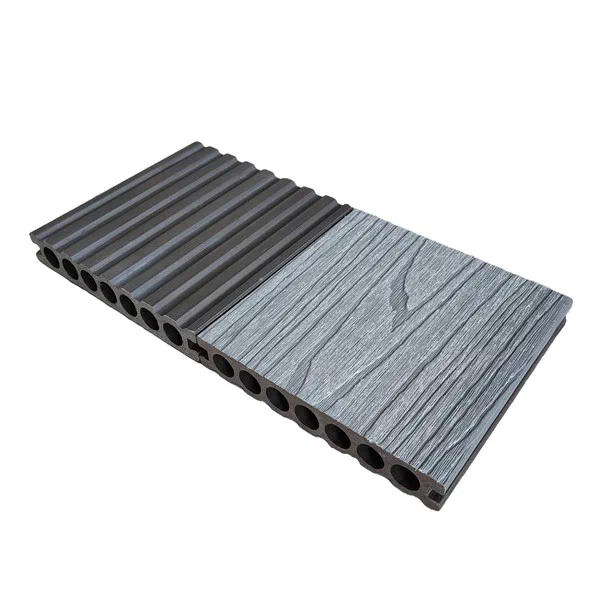
Cutting composite decking boards correctly is essential for achieving clean edges, accurate dimensions, and a professional installation finish. Whether working with solid or hollow WPC decking, using the right industrial cutting tools and techniques helps prevent chipping, rough edges, and unnecessary material waste.
1. Choose the Right Industrial Cutting Tools
Wood plastic composite (WPC) decking contains wood fibers and thermoplastic materials, so it requires cutting equipment that can handle both components. Standard woodworking tools are generally suitable, provided the blades are sharp and appropriate for composite materials.
For commercial projects and large-scale installations, the following tools are commonly used:
- Circular saw: Ideal for straight cuts, trimming board ends, and cutting decking to length. A carbide-tipped blade with fine teeth produces a cleaner finish.
- Sliding compound miter saw: Suitable for repetitive crosscuts and accurate angle cutting. It is particularly useful for projects requiring consistent board lengths.
- Table saw: Provides stable, controlled cuts when ripping boards lengthwise. Use a suitable carbide-tipped blade and a properly adjusted fence.
- Jigsaw: Useful for curved cuts, notches, and detailed trimming around posts or other obstacles.
- Track saw: Offers precise, straight cuts on long boards, especially when working with large decking areas.
- Industrial dust extraction system: Helps collect fine particles generated during cutting and keeps the work area cleaner.
For most installation projects, a circular saw and a compound miter saw provide the best combination of flexibility, cutting accuracy, and efficiency.
2. Prepare Composite Decking Boards Before Cutting
Proper preparation reduces cutting errors and helps maintain consistent installation quality. Before operating any cutting equipment, inspect the boards for surface damage, manufacturing defects, and dimensional variations.
Follow these preparation steps:
- Check the product specifications to confirm board thickness, width, profile, and recommended installation requirements.
- Measure the installation area carefully and calculate the required board lengths.
- Mark cutting positions with a carpenter’s pencil and a suitable measuring tool.
- Support the board along its length to prevent movement, vibration, or sagging during cutting.
- Secure the material with clamps when necessary, ensuring that the cutting path remains unobstructed.
- Check the saw blade for wear, damage, and correct installation.
Composite decking can expand and contract with temperature changes. Therefore, cutting measurements should account for the expansion gaps specified by the manufacturer. Avoid cutting every board to the exact deck dimension without allowing for the required perimeter clearance.
For outdoor projects, store WPC boards on a flat, level surface before installation. Keep them protected from excessive heat and direct sunlight during preparation whenever possible.
3. Use the Correct Cutting Techniques
The quality of the finished edge depends on blade selection, cutting speed, and material stability. Although WPC decking is relatively easy to machine, poor cutting practices can cause surface chipping, rough edges, or excessive heat buildup.

Straight Cuts
Use a circular saw or track saw for straight cuts along the board length. Select a sharp, fine-tooth carbide blade suitable for composite materials. Guide the saw steadily without forcing the blade through the material.
For repeated crosscuts, a compound miter saw offers better consistency. Allow the blade to reach its operating speed before making contact with the board.
Angled Cuts
When decking boards meet at corners, steps, or angled boundaries, use a miter saw to achieve accurate joints. Measure the required angle carefully and test the setting on a spare piece before cutting the actual decking board.
Curved Cuts and Notches
A jigsaw is suitable for cutting around posts, drainage outlets, and irregular deck boundaries. Use a blade recommended for composite materials and cut slowly around curved sections.
For larger notches, consider making several controlled cuts rather than removing too much material in one operation.
Longitudinal Cuts
When reducing board width, use a table saw with a suitable fence and blade. Maintain consistent feeding pressure and support both the incoming and outgoing sections of the board.
Never force the material through the blade. Excessive pressure can produce uneven edges and increase the risk of kickback.
4. Manage Expansion Gaps and Cutting Tolerances
Expansion and contraction are important considerations when installing composite decking outdoors. WPC materials respond to changes in temperature, and insufficient clearance can cause boards to buckle, distort, or place excessive pressure on fixing components.
After cutting, check the finished board dimensions against the installation plan. Leave the required clearance at walls, posts, drainage structures, and other fixed obstacles.
Important considerations include:
- Follow the manufacturer’s specified end-to-end and side-to-side spacing.
- Allow for temperature-related movement when determining board lengths.
- Keep cut ends properly supported by the subframe.
- Avoid tightly fitting boards against fixed structures.
- Use compatible clips, screws, and fastening accessories recommended for the decking system.
Expansion requirements vary according to board composition, length, installation temperature, and product design. Always refer to the manufacturer’s technical installation guide rather than applying one universal gap measurement.
5. Achieve Clean Edges and Reduce Material Waste
Clean cutting improves the appearance of exposed decking edges and makes installation more efficient. For projects involving large quantities of composite decking boards, establishing a consistent cutting process can also reduce labor costs and material waste.
Use a sharp blade and avoid cutting several boards simultaneously unless the equipment is specifically designed for that operation. Check the first finished piece before proceeding with repetitive cuts.
For professional results:
- Use a measuring stop for repeated board lengths.
- Keep the saw blade clean and replace worn blades.
- Support long boards to prevent bending during cutting.
- Make test cuts before processing expensive materials.
- Remove loose burrs with an appropriate hand tool or fine abrasive.
- Check exposed ends for cracks, delamination, or other damage.
If the decking profile is hollow, take additional care when handling cut ends. Avoid crushing the internal structure with clamps or applying excessive pressure during machining. Where the product system requires end caps, install compatible accessories to provide a neat and finished appearance.
6. Cutting Safety and Equipment Maintenance
Industrial cutting operations require proper safety procedures, especially when processing large quantities of WPC decking. Operators should wear safety glasses, hearing protection, and suitable respiratory protection where dust exposure is possible.
Keep hands away from the blade path and use appropriate guards, push sticks, and clamping equipment. Ensure that the cutting station is stable and that the electrical supply and dust extraction equipment are suitable for the working environment.
After each working session, remove accumulated dust from the saw, inspect the blade, and check that all safety guards are functioning correctly. Store cutting tools in a dry location to prevent corrosion and premature wear.
Composite decking itself requires relatively little maintenance after installation. Clean the boards periodically using water and a mild detergent, and remove leaves, dirt, and other debris from the deck surface and drainage gaps. Inspect exposed edges, fasteners, and expansion clearances periodically to identify potential installation issues early.
For contractors, distributors, and construction companies sourcing WPC products in bulk, selecting decking boards with consistent dimensions and reliable manufacturing quality can make cutting and installation more predictable. Working with an experienced wood plastic composite decking manufacturer also helps ensure access to compatible accessories, technical specifications, and installation guidance for different outdoor applications.
Related Articles

Related Products
 GD13820 M Shape Co Extruded Composite Deck Planks Feature a Special Profile Design for Distinctive Outdoor Decking Applications
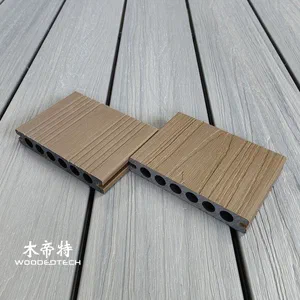 GD13823-3 Teak TK Co Extruded Decking Is a Popular Choice from Composite Decking Suppliers for Outdoor Flooring Projects
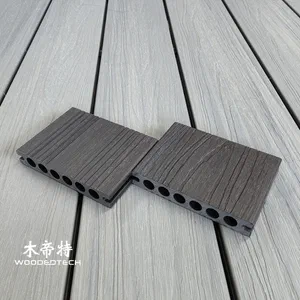 GD13823-3 Walnut WN Co Extruded Decking Features a Dark Rich Color That Helps Resist Visible Dirt and Stains