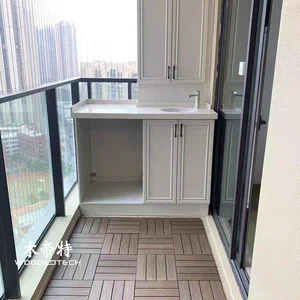
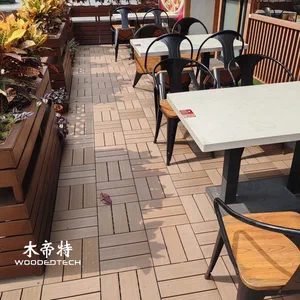
How to Cut Composite Deck Tiles: Industrial Guide for 2026
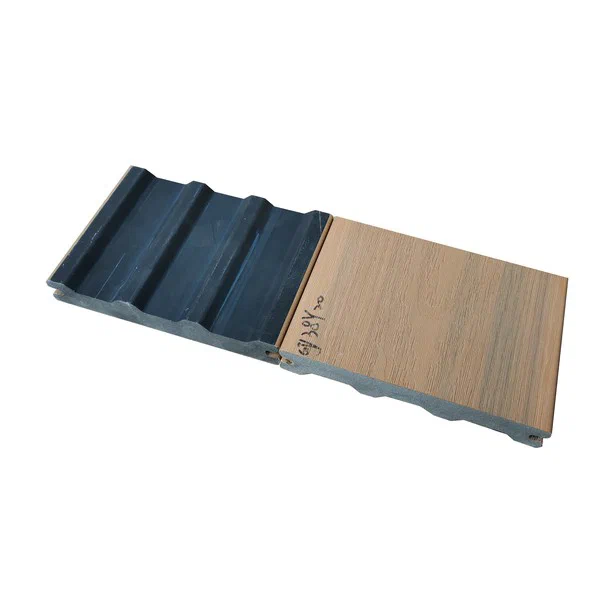
Cutting composite deck tiles correctly is essential for clean edges, accurate fitting, and long-term outdoor performance. This industrial guide explains the professional methods used to cut WPC deck tiles, including tool selection, measuring, fixing adjustments, expansion allowance, and maintenance after installation.
Professional cutting preparation for composite deck tiles
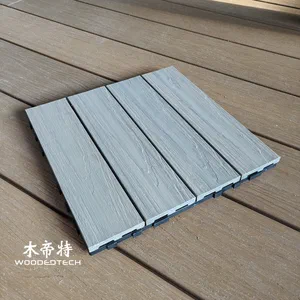
Before cutting any WPC deck tiles, inspect the material and confirm the installation layout. Measure the area carefully and mark each tile with a carpenter’s pencil or chalk line. Always allow for expansion gaps around walls, fixed structures, and between sections because composite materials expand and contract with temperature changes.
Recommended preparation steps include:
- Check tile direction, surface texture, and locking system before cutting
- Use a stable workbench or cutting platform
- Wear safety glasses, gloves, and dust protection
- Confirm measurements twice before making the cut
- Keep factory edges visible in high-traffic areas whenever possible
For professional projects, installers normally cut tiles in batches after confirming the full layout. This reduces waste and ensures consistent alignment across large decking areas.
Cutting methods and fixing adjustments
A circular saw with a fine-tooth carbide blade is the preferred tool for cutting composite deck tiles because it creates smooth, controlled edges. A jigsaw can be used for curved cuts, corners, or detailed adjustments around posts and drainage channels. For small trimming work, a handsaw designed for composite materials may also be suitable.

When cutting WPC tiles, avoid excessive pressure because forcing the blade can create rough edges or damage the internal structure. Move the tool steadily through the material and support both sides of the tile to prevent cracking.
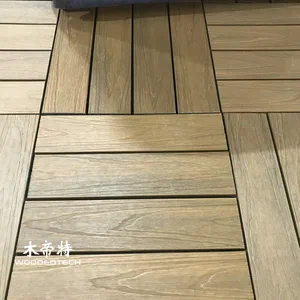
After cutting, test-fit each piece before final fixing. For interlocking systems, make sure the connectors remain secure after trimming. For screw-fixed systems, pre-drill holes near cut edges to reduce stress and maintain stable installation.
WPC wall cladding and finishing considerations
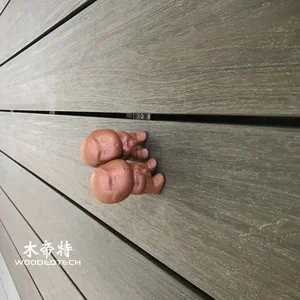
The same cutting principles apply when installing WPC wall cladding panels. Accurate measurements are especially important around windows, doors, corners, and ventilation spaces. Leave suitable movement gaps according to the manufacturer’s installation requirements to prevent buckling caused by seasonal temperature changes.
Use sharp blades for clean panel cuts and remove any burrs with fine sandpaper. When combining decking and wall cladding systems in one project, maintain consistent cutting techniques so exposed edges have a professional appearance.
Maintenance after cutting and installation
Freshly cut composite edges should be cleaned immediately to remove dust and plastic particles. Inspect the installation after the first few weeks, especially in areas exposed to direct sunlight or large temperature changes.
Routine maintenance includes:
- Removing leaves, dirt, and standing water regularly
- Cleaning stains with mild soap and water
- Checking fixing points and connections annually
- Avoiding harsh chemicals that may affect the surface finish
Proper cutting and installation help composite deck tiles maintain their appearance, stability, and service life in outdoor environments.
FAQ
Q: What is the best tool for cutting composite deck tiles? A: A circular saw with a carbide-tipped fine-tooth blade is commonly used for accurate professional cuts. A jigsaw works well for curves and detailed adjustments.
Q: Do composite deck tiles need expansion gaps? A: Yes. Expansion gaps allow WPC materials to move naturally with temperature changes and help prevent lifting or deformation.
Q: Can cut composite deck tiles still be used outdoors? A: Yes. Properly cut tiles can perform normally when the edges are supported, fixed correctly, and protected from excessive stress.