How to Cut Composite Deck Boards: Industrial Guide for 2026
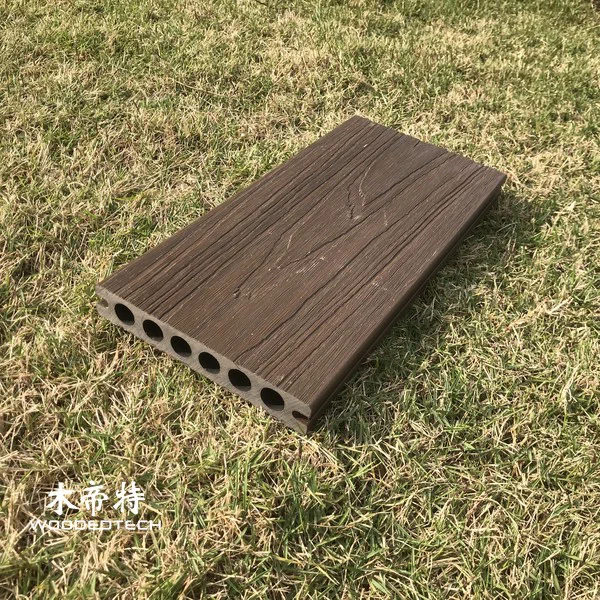
Cutting composite deck boards correctly is essential for achieving clean edges, accurate installation, and long-term performance. This industrial guide explains the professional methods used to cut composite decking boards, including tool selection, cutting techniques, safety steps, and finishing practices for 2026 projects.
Professional Cutting Preparation for Composite Deck Boards
Before cutting any composite deck boards, measure the installation area carefully and mark each board with a clear cutting line. Composite materials are dense and contain a mixture of wood fibers and polymers, so precision tools are required to avoid chipped edges or uneven surfaces.
Recommended equipment includes:
- Fine-tooth circular saw with carbide-tipped blade
- Miter saw for accurate angle cuts
- Jigsaw for curved or detailed cuts
- Measuring tape and marking tools
- Safety glasses, gloves, and dust protection
For large commercial projects, installers usually prepare a dedicated cutting area to control dust and keep finished decking surfaces clean. Always check the manufacturer’s cutting recommendations because different composite decking formulations may have specific blade requirements.
Step-by-Step Cutting Method for WPC Decking Boards
Start by securing the composite deck board firmly on a stable work surface. Movement during cutting can create rough edges and inaccurate dimensions.
Follow these steps:
- Measure the required length or shape and mark the cutting position clearly.
- Place the board with the finished surface facing upward when using a circular saw or miter saw.
- Select a carbide-tipped blade with a high tooth count to achieve a smoother finish.
- Cut through the board using steady pressure without forcing the blade.
- Remove small burrs with fine sandpaper if needed.
For installations involving WPC decking boards, wall cladding, or custom profiles, installers should complete test cuts on spare material before cutting final pieces.
Cutting Methods for Deck Installation and Wall Cladding Applications

Different installation areas require different cutting approaches. Straight cuts are commonly used for deck board length adjustments, while angled cuts are needed around corners, posts, drainage channels, and stair systems.
When installing composite wall cladding, precise cutting is especially important because visible joints and edges affect the final appearance. Leave proper expansion gaps after cutting to allow the material to expand and contract with temperature changes.
Professional installers also consider:
- Cutting direction to maintain surface texture alignment
- Edge finishing for exposed board ends
- Correct spacing around fixed structures
- Proper ventilation when cutting indoors
For projects using wood plastic composite decking installation systems, accurate cutting improves both appearance and structural stability.
Maintenance Tips After Cutting Composite Materials
Freshly cut composite edges should be inspected before installation. Remove loose particles and ensure no cracks appear along the cut line. Avoid using paint or coatings on cut surfaces unless required by the product manufacturer.
To maintain composite decking performance:
- Clean cutting dust after installation
- Wash the surface regularly with mild soap and water
- Avoid dragging heavy objects across boards
- Check fasteners and gaps during seasonal inspections
Proper cutting techniques help composite decking maintain its strength, appearance, and resistance to outdoor conditions throughout its service life.
FAQ
Q: What blade is best for cutting composite deck boards? A: A carbide-tipped blade with fine teeth is recommended because it produces cleaner cuts and reduces edge damage.
Q: Can composite decking boards be cut with normal woodworking tools? A: Yes, most standard woodworking tools can cut composite boards, but using suitable blades improves accuracy and finish quality.
Q: Should expansion gaps be considered when cutting composite decking? A: Yes, expansion gaps must be included in measurements because composite materials naturally expand and contract with temperature changes.
Related Articles
 WPC Deck Installation for Creating Durable Outdoor Decking Areas in Gardens Patios and Commercial Spaces
 Composite Deck Over Concrete Porch Creates a Comfortable Outdoor Surface Upgrade Solution
 Composite Decking and Installation Provide Complete Solutions for Building Durable Outdoor Floors
 Joist for Composite Deck Supports Stable Installation of Long Lasting Outdoor Decking Systems
Related Products
 D14025-3 Square Hole Double Sided Grooved WPC Board Factory Producing Outdoor Decking Boards With Good Slip Resistance
 D15025-2 Classic Waterproof Insect Resistant Corrosion Resistant And Termite Resistant Composite Decking Types With Twenty Years Of Sales Experience
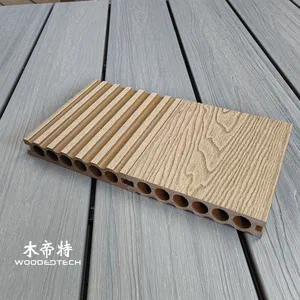 Single Side Embossed Grain 140-25 Round Hole Flooring F Type Teak Color Composite Deck Images For Cost Effective Engineering Projects