
How To Complete Wood Plastic Decking Installation With Proper Methods And Tools

Wood plastic decking installation works best when the subframe is level, the fixings match the board profile, and movement gaps are planned from the start. The same method applies to many WPC decking and wall cladding systems: prepare the base correctly, cut cleanly, fasten with the right clips or screws, and allow the material to expand and drain properly.
Site Preparation
Start by checking the installation area for slope, drainage, and structural support. For decking, the ground or concrete base should move water away from the structure, not trap it underneath. For wall cladding, the wall must be sound, dry, and flat enough to carry the battens and panels without twist.
A proper subframe is the foundation of the job. Use treated timber, aluminum, or composite joists that are suitable for exterior use, then space them according to the board specification. Keep the frame level, maintain consistent joist spacing, and add extra support at board ends, joints, corners, and around openings.
Tools And Materials

For a clean installation, prepare the right tools before you start:
- Tape measure, chalk line, spirit level, and square
- Circular saw or miter saw with a fine-tooth blade
- Drill, driver, and stainless steel fasteners
- Hidden clips or starter clips, depending on the board system
- Spacers for expansion gaps
- Safety glasses, gloves, and dust control
Check the manufacturer’s instructions for the exact fixing method. Some WPC decking boards use concealed clips, while others require face fixing in limited areas such as edges, stairs, or trim sections. Wall cladding may use a tongue-and-groove, interlocking, or batten-mounted profile, so the fastening sequence must match the product design.
Installation Method
Begin with the starter board or first course, because every later board follows that line. Fix it straight and secure, then continue across the surface while checking alignment as you go. For decking, clip each board to the joists and leave the recommended side gap between boards and a larger gap at the perimeter. For wall cladding, work from the bottom up and make sure each row locks fully before securing the next one.
Expansion space matters. WPC moves with temperature, especially on long runs, so leave clearance at walls, posts, and fixed edges. Do not force boards tightly against stops or seal joints so hard that movement is blocked. Around corners or ends, use trim profiles only after the field boards are installed and checked for line.
Cut boards from the finished face when possible, and support them fully to avoid chipping. Keep cut edges clean, dry, and square. If a board must be joined, place the joint over a joist or support, never in mid-span.
Maintenance Tips
WPC systems are low maintenance, but they still need routine care. Sweep debris off the surface, wash with mild soap and water, and clear drainage gaps so dirt does not hold moisture against the frame. Inspect fasteners, trims, and joint lines seasonally, especially after heavy heat, rain, or freezing weather.
Avoid harsh solvents, wire brushes, and pressure washing at close range. Those methods can damage the surface texture. Regular cleaning and correct drainage will keep decking and wall cladding looking consistent for years.
FAQ
Q: How much expansion gap should WPC decking have? A: Follow the board supplier’s guide, because the required gap changes by profile and climate. In most projects, you should leave clear movement space at board ends and fixed edges.
Q: Can WPC decking be installed on an old concrete slab? A: Yes, if the slab is sound, drained, and leveled enough for a proper subframe. Any low spots, cracks, or standing water issues should be corrected first.
Q: What is the best way to cut WPC boards? A: Use a fine-tooth blade on a circular saw or miter saw for the cleanest edge. Support the board well and cut slowly to reduce chipping.
Related Articles
 decking composite calculator helps estimate material requirements and project costs for outdoor decking installation
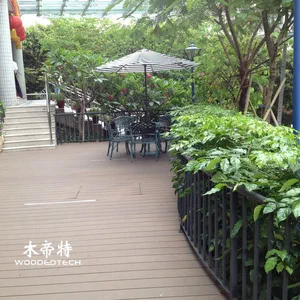 labor cost to install composite decking varies based on project size design and installation conditions
 How To Install Wpc Wall Panel With A Complete Step By Step Guide
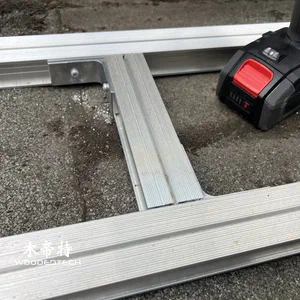 composite deck joist span table helps plan safe and efficient outdoor decking structures
Related Products
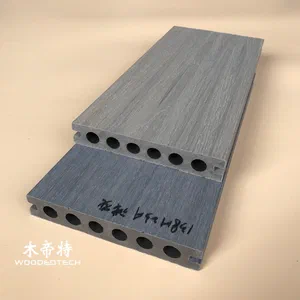 GD13823 Composite Decking Material Features Six Small Round Holes to Reduce Weight While Maintaining Structural Strength
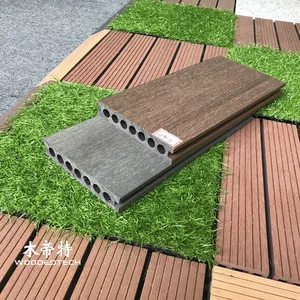 GD13823-2 Wood Versus Composite Decking Features Seven Round Holes with Wood Grain and Brushed Textures on Opposite Sides
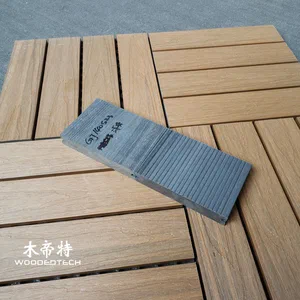 GD14023S Composite Deck Materials Feature a Solid Structure and Side Grooves for Better Adaptability in Extremely Cold Climates