
How To Compare Wpc Outdoor Wall Panel Price For Exterior Cladding Solutions

Outdoor WPC wall panels are a practical exterior cladding option when you want the look of wood with lower upkeep and more stable long-term cost. To compare wpc outdoor wall panel price properly, buyers should weigh material performance, installation, maintenance, and service life against natural wood, timber, aluminum, and other façade materials.
What drives WPC wall panel value
WPC panels are made from wood fibers and polymers, so they sit between timber and plastic in both appearance and performance. They resist moisture better than natural wood, do not splinter, and usually need only basic washing, which makes them attractive for façades, balcony walls, garden structures, and commercial exteriors.
Price comparisons should not stop at the purchase price per square meter. A panel that costs more upfront may still be cheaper over 10 years if it avoids repainting, sealing, termite treatment, or early replacement. That is why wpc outdoor wall panel price is best judged as part of total installed and lifecycle cost.
WPC versus natural wood and traditional timber
Natural wood has strong visual appeal and can feel warmer and more premium in architectural projects. It also offers easy repair and finishing flexibility, but it is sensitive to UV, rain, insects, and dimensional movement. In exterior use, timber usually requires regular staining, sealing, sanding, and occasional replacement of damaged boards.
Compared with wood, WPC offers:
- Better moisture and rot resistance
- Lower maintenance
- More consistent color and profile quality
- Longer service life in humid or coastal environments
Its disadvantages are also clear. WPC usually cannot match the authenticity of high-grade timber grain, and some low-cost products may fade, scratch, or expand more than expected if the formulation is poor. Buyers should ask for density, surface treatment, UV resistance, and warranty details, not just a low quote.
WPC versus aluminum and other exterior materials
Aluminum cladding performs well in fire resistance, dimensional stability, and modern aesthetics. It is lightweight and durable, but it can cost more to install, may dent under impact, and often feels less natural than wood-look materials. For projects that need a warmer architectural finish, WPC can be a better match.
Other common exterior materials include PVC wall panels, fiber cement, and stone veneer. PVC can be cheaper but may look less refined and is often less rigid. Fiber cement is durable and fire-resistant, yet heavier and more labor-intensive to cut and install. Stone veneer has a strong premium appearance, but structural support, transport, and labor usually push lifecycle cost higher than WPC.
Maintenance and lifecycle cost
WPC maintenance is straightforward: periodic cleaning, inspection of fixings, and occasional washing to remove dust or mildew buildup. No staining or repainting is normally required, which reduces labor and downtime for commercial buildings.
When comparing lifecycle cost, calculate:
- Material price
- Substructure and fasteners
- Labor and installation time
- Cleaning and maintenance cost
- Replacement interval
- Waste and disposal cost

For many exterior wall projects, WPC offers the best balance between appearance and ownership cost. Natural wood may win on authenticity, while aluminum may win on technical performance, but WPC often delivers the strongest value for projects that need a wood-look façade with controlled maintenance.
FAQ
Q: Is WPC cheaper than natural wood for exterior walls? A: Often yes over time, even if the upfront panel price is similar or slightly higher. The savings usually come from lower maintenance and longer service life.
Q: What should buyers check before comparing WPC wall panel prices? A: Check panel density, UV resistance, warranty, thickness, and installation system. A low price means little if the product fades, warps, or needs early replacement.
Q: Which material is best for low-maintenance exterior cladding? A: WPC and aluminum are both strong options. WPC is better when a wood-like finish matters, while aluminum is better for a sharper modern look and higher fire performance.
Related Articles
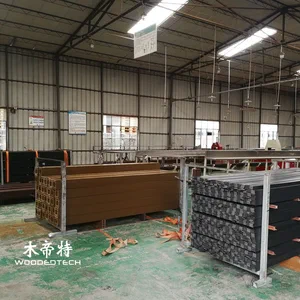 Affordable WPC Outdoor Wall Panel price: Get Your Factory Quote Today
 exterior wpc wall panel price guide helps customers choose suitable outdoor facade decoration materials
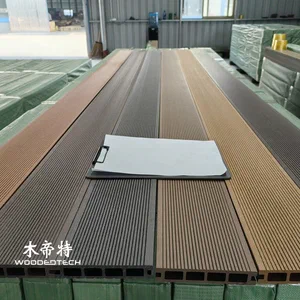 Wpc wall panel price per sq ft helps global buyers understand affordable exterior cladding options
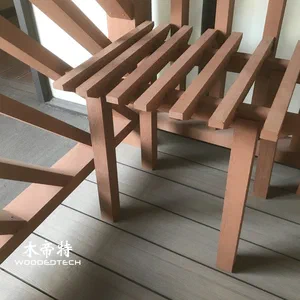 WPC Wall Panel Price Guide for Different Styles and Applications
Related Products
 GQ13523wpc board wall paneling with antique wood color narrow grille design delivers elegant outdoor wall appearance
 Q14921.5 plastic wood wall panels with double layer structure offer stronger deformation resistance and long lasting outdoor performance
 Q17618 wpc wall panel outdoor with flat sanding surface delivers a simple natural appearance for modern exterior designs