
How To Compare Composite Decking Brands For Quality And Performance

Outdoor WPC is often compared with natural wood, traditional timber, aluminum, and other exterior finishes because buyers want a material that looks good, lasts outdoors, and does not create constant upkeep. For deck, facade, and screening projects, the best choice usually depends on climate, traffic, maintenance capacity, and total ownership cost rather than appearance alone.
What WPC Does Well
WPC, or wood plastic composite, is designed to combine the visual warmth of wood with the stability of plastic-based polymers. Compared with natural wood, it resists moisture, rot, splintering, and insect damage more effectively, which makes it attractive for exterior use in wet or high-traffic settings. It also avoids the frequent sanding, staining, and sealing that timber typically needs.
Against aluminum, WPC offers a softer, more wood-like surface and a warmer feel underfoot. Aluminum is lighter and can be very durable, but it is less comfortable for deck applications and can look more industrial. For many projects, WPC sits in the middle: more natural than metal, less demanding than timber, and more consistent than many outdoor woods.
Where Traditional Materials Still Compete
Natural hardwoods and pressure-treated timber still have clear strengths. They are familiar, easy to source in many markets, and often lower in initial cost. Some buyers also prefer the authenticity of real grain and the ability to refinish timber repeatedly over a long service life.
The drawback is maintenance. Wood exposed to sun and rain tends to fade, move, crack, and absorb water if it is not protected. That means recurring labor and materials, which can make its lifecycle cost higher than the purchase price suggests. Aluminum, by contrast, performs well in harsh weather and usually needs only routine cleaning, but it does not suit every design or touchpoint.
How To Compare Brands
When comparing composite decking brands, do not stop at color or texture. Ask how the board is built, whether it is capped, what the core density is, and how the product handles UV exposure, moisture, and thermal movement. Surface finish matters too, especially for slip resistance and stain behavior in outdoor use.
Warranty language deserves close reading. A long warranty is only meaningful if it covers fading, structural failure, and weather-related issues in clear terms. Also check installation requirements. Some boards need exact spacing, specific clips, or brand-matched accessories, and those details affect both performance and labor cost.
Lifecycle Cost Matters More Than Sticker Price

Cheap timber can become expensive once coatings, repairs, and replacement cycles are included. WPC usually carries a higher upfront price than basic wood, but its lower maintenance burden can make the lifetime cost more predictable. Aluminum may last longer in some settings, yet fabrication, thermal expansion details, and design limits can increase project cost.
For buyers, the right comparison is not material price alone. It is installed cost, annual maintenance, expected service life, and how the surface will age in the actual site conditions.
FAQ
Q: Is WPC better than wood for outdoor decking? A: In most exterior projects, WPC is easier to maintain and more resistant to moisture and insects. Wood still appeals when natural character and lower upfront cost matter more than long-term upkeep.
Q: How long does composite decking usually last? A: Quality composite decking can perform for many years when installed correctly and maintained with basic cleaning. Brand quality, sun exposure, and drainage conditions have a major effect on service life.
Q: Is aluminum a better choice than WPC for exterior use? A: Aluminum is stronger in some structural applications and needs very little maintenance, but it is less comfortable and less wood-like. WPC is usually better for decks and decorative exterior surfaces.
Related Articles
 composite decking quality levels help customers compare different materials and performance standards
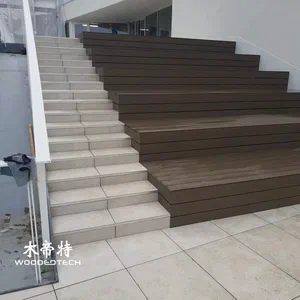 Composite decking weight helps customers choose suitable materials for different construction needs
 How To Understand Composite Decking Price For Quality Outdoor Applications
 What Is The Difference Between Composite Deck Vs Wood Cost For Buyers
Related Products
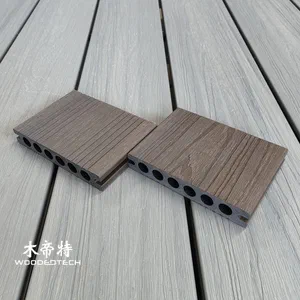 Purple Sandalwood GD13823-3 Co Extruded WPC Outdoor Decks with Round Holes Are Available in Stock in 3 Meter Lengths Year Round
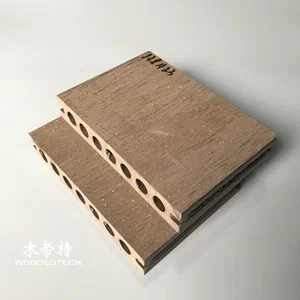 D13823 Round Hole Double Sided Flat WPC Bamboo Decking Boards With Strong Quality And Various Wood Grain Surface Treatments
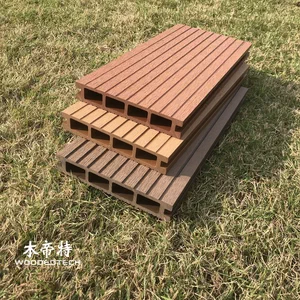 D14025-3 Square Hole Double Sided Grooved WPC Board Factory Producing Outdoor Decking Boards With Good Slip Resistance