
How to Clean Composite Decking Without a Pressure Washer: Best Practices
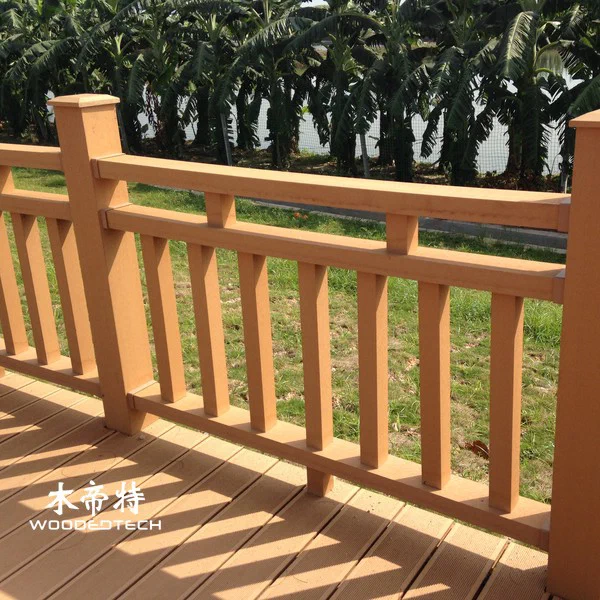
Composite decking can be cleaned effectively without a pressure washer using ordinary household cleaning tools, mild detergent, and water. Regular cleaning helps preserve the appearance of outdoor WPC decking, prevent dirt buildup, and reduce the risk of surface damage. The key is to use the right cleaning method for the type of stain and follow the manufacturer’s care recommendations.
1. Prepare the Decking Before Cleaning
Before washing the surface, remove loose dirt, fallen leaves, dust, and other debris. Use a soft-bristle broom or outdoor brush to sweep along the length of the composite decking boards. Pay particular attention to the gaps between boards, where leaves and organic debris can accumulate.
For routine cleaning, prepare the following supplies:
- A soft-bristle brush or non-abrasive deck brush
- A garden hose or bucket of clean water
- Mild household dish soap or a manufacturer-approved composite deck cleaner
- A soft microfiber cloth
- A sponge for localized stains
- A plastic scraper for removing dried debris
Avoid wire brushes, metal scrapers, and abrasive scouring pads. These tools can scratch the protective surface, particularly on capped or co-extruded WPC decking.
If the deck has not been cleaned for several months, inspect the surface for mold, algae, grease, or stubborn stains before choosing a cleaning solution. Different types of contamination require different treatments.
2. Clean Composite Decking with Soap and Water
For general dirt and everyday maintenance, mild soap and water are usually sufficient. There is no need for specialized machinery or high-pressure equipment.
Follow these steps:
- Sweep the entire deck to remove loose dirt and leaves.
- Mix a small amount of mild dish soap with warm water in a bucket. Follow the cleaner manufacturer’s dilution instructions if using a dedicated composite decking product.
- Wet the decking with a garden hose or clean water.
- Dip a soft-bristle brush into the cleaning solution and gently scrub the boards along the grain.
- Work in small sections to prevent the cleaning solution from drying on the surface.
- Rinse thoroughly with clean water to remove soap residue.
- Allow the decking to air-dry naturally.

Avoid excessive scrubbing in one area. Consistent, gentle cleaning is more effective and less likely to affect the surface texture.
For outdoor WPC decking installed around swimming pools, gardens, or frequently used patios, cleaning every few weeks may be appropriate depending on exposure to dirt and moisture.
3. Remove Common Stains Without Damaging the Surface
Different stains require different cleaning approaches. Using an unsuitable chemical or an overly aggressive cleaning method can cause discoloration or surface damage.
Grease and Oil Stains
Food grease, cooking oil, and barbecue residue can leave marks on composite deck boards. Clean these stains as soon as possible.
Apply mild dishwashing liquid directly to the affected area, add a little warm water, and gently scrub with a soft brush. Rinse thoroughly. For persistent grease stains, use a composite decking cleaner approved by the manufacturer.
Mold, Mildew, and Algae
Decking exposed to shade, moisture, or poor ventilation may develop mold or algae on the surface.
First, remove loose organic debris. Then apply a manufacturer-approved cleaner suitable for composite materials. Allow it to work according to the product instructions, gently brush the affected area, and rinse with clean water.
Do not assume that household bleach, strong acids, or concentrated cleaning chemicals are safe for every composite product. Always check compatibility before application.
Mud and Dried Dirt
Allow wet mud to dry slightly before removing heavy deposits. Use a plastic scraper or soft brush to lift the material without digging into the decking surface. Wash away the remaining dirt with soap and water.
Food and Beverage Stains
Coffee, wine, sauces, and fruit juice should be cleaned promptly. Blot excess liquid with a soft cloth, then wash the area using mild detergent and water. Avoid rubbing aggressively, as this may spread the stain.
4. Prevent Scratches and Protect the Decking Surface
Surface scratches are a common concern for homeowners and outdoor project contractors. Although composite decking is generally more resistant to moisture and wear than traditional timber, it is not completely scratch-proof.
To reduce the risk of damage:
- Place protective pads beneath outdoor furniture legs.
- Lift heavy furniture instead of dragging it across the boards.
- Use suitable outdoor mats beneath grills and frequently used equipment.
- Avoid sharp metal tools when removing dirt or ice.
- Keep pet claws trimmed where practical.
- Do not use abrasive cleaning powders or stiff metal brushes.
For minor marks, begin with gentle cleaning using a soft brush and mild detergent. Some superficial marks may become less noticeable after cleaning and normal weather exposure.
However, deep scratches or damaged protective caps may require professional assessment. Do not sand or apply coatings to capped composite decking unless the manufacturer specifically recommends this treatment.
5. Understand Color Differences and Weather-Related Changes
Customers sometimes notice that composite decking boards have slightly different shades after installation or cleaning. This does not necessarily indicate a product defect.
WPC decking contains wood fibers and polymer materials, and its appearance can be influenced by production batches, surface textures, lighting conditions, and environmental exposure.
New composite decking may also undergo an initial weathering process. During the first months outdoors, natural exposure to sunlight and moisture can gradually change the surface appearance until it becomes more consistent.
To maintain a uniform appearance:
- Clean the entire deck rather than treating only individual boards.
- Avoid concentrated cleaning chemicals that may leave uneven marks.
- Remove leaves and standing water regularly.
- Follow the recommended maintenance schedule.
- Contact the supplier if unusual discoloration persists after cleaning.
When ordering decking for a large outdoor project, purchasing sufficient material from the same production batch can help reduce visible color differences.
6. Maintain Proper Drainage and Allow for Thermal Expansion
Cleaning is only one part of composite decking maintenance. Poor drainage and insufficient ventilation can contribute to persistent moisture, algae growth, and dirt accumulation.
Inspect the gaps between boards regularly and remove debris that may block water drainage. Check that the substructure remains stable and that the deck has adequate ventilation underneath.
Composite materials naturally expand and contract as temperatures change. If installation gaps are too small, boards may experience excessive movement, buckling, or pressure against adjacent components.
If you notice unusual movement or raised boards, inspect the installation spacing, fasteners, joists, and expansion allowances against the manufacturer’s installation guidelines. Cleaning products cannot correct structural installation problems.
7. Establish a Simple Long-Term Cleaning Schedule
A consistent maintenance routine helps extend the service life and maintain the appearance of wood plastic composite decking.
A practical schedule includes:
- Weekly: Remove leaves, dust, and loose debris.
- Monthly: Wash the surface with mild soap and water when needed.
- Seasonally: Inspect for mold, algae, blocked drainage gaps, and stubborn stains.
- Annually: Check fasteners, board spacing, substructure stability, and overall surface condition.
In coastal areas, humid climates, and locations with heavy foot traffic, more frequent cleaning may be necessary.
For distributors, contractors, and outdoor decking project managers, providing customers with clear maintenance instructions can also reduce avoidable after-sales complaints. Recommend non-abrasive cleaning tools, compatible detergents, and regular inspections rather than aggressive cleaning methods.
A well-maintained composite deck does not require complicated equipment. With a soft brush, mild soap, clean water, and proper drainage, most everyday dirt and stains can be removed without a pressure washer. Following the manufacturer’s cleaning and maintenance guidelines is the best way to protect the decking surface and keep outdoor WPC installations looking attractive for years.
Related Articles
 Teak Synthetic for Low Maintenance Outdoor Decking Furniture and Architectural Applications
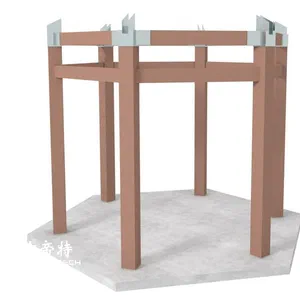 Composite Deck Wood: Industrial Applications, Benefits, and Material Selection
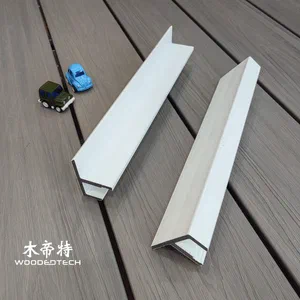 Non Grooved Composite Decking: A Durable Solution for Commercial Applications
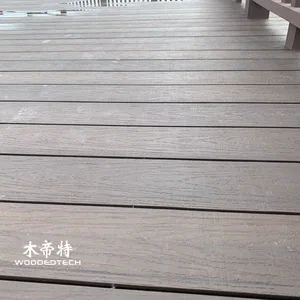 Composite Decking Examples: Industrial Applications and Material Selection Guidelines
Related Products
 GD13820 M Shape Co Extruded Composite Deck Planks Feature a Special Profile Design for Distinctive Outdoor Decking Applications
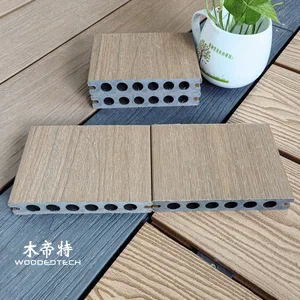 GD13823 Double Sided Flat Surface Co Extruded WPC Decking Features a Popular Width and Thickness with Round Hollow Structure
 GD13823-3 Composite Boards for Decking Are Available in Multiple Stock Colors with 3 Meter Lengths and Single Piece Delivery