
How To Choose Wpc Wall Cladding Design For Exterior Decoration Projects

Modern WPC wall cladding design is now a key part of exterior decoration projects, not just a surface finish. The right color, texture, profile, and module size can make walls, fences, pergolas, gazebos, and landscape features feel more unified, premium, and durable.
Choosing a design that fits the project
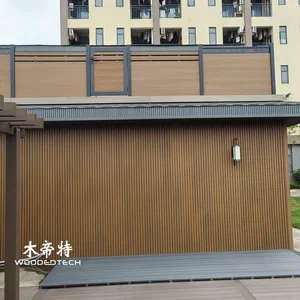
For exterior decoration, WPC wall cladding should match the building style and the surrounding landscape. Clean linear profiles suit modern villas, commercial facades, and courtyard walls, while deeper textures and warmer wood tones work well for resort spaces, garden lounges, and residential feature walls.
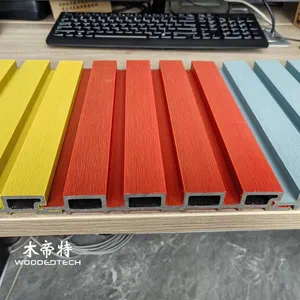
Color is the first design decision most buyers notice. Dark grey, teak, charcoal, and coffee shades create a contemporary look, while lighter oak and natural wood tones help soften large exterior walls and make compact spaces feel brighter. For projects that need visual consistency, it is smart to coordinate wall panels with composite decking, fence panels, and pergola components in the same color family.

Texture, profile, and shadow play
Texture changes how a wall performs visually in outdoor light. A 3d embossed or fluted surface adds depth and hides small marks better than a flat finish, which is useful for busy outdoor areas. Wood grain cladding gives a natural appearance, while slatted or ribbed profiles create stronger shadows and a more architectural feel.
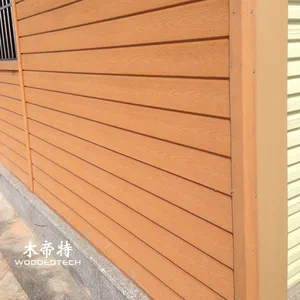
Profile choice also affects proportion. Narrow boards can make walls look longer and more refined, while wider panels give a bold, simple appearance. For larger projects, mixing vertical and horizontal lines can break up long façades and make fences, screens, and wall panels feel more balanced.
Modular design for faster, cleaner projects
Modular WPC systems are especially valuable in exterior decoration work because they reduce installation time and keep the final result consistent. Interlocking or panel-based designs are easier to align on walls, pergolas, privacy screens, and decorative partitions. They also help when the project needs repeated elements across different zones, such as a wall cladding design that continues onto a gazebo, planter box, or boundary fence.
This approach is useful for landscape projects too. Coordinated WPC products can connect patios, seating areas, garden walls, and shade structures into one visual language. When the same surface finish is carried through multiple applications, the outdoor space feels planned rather than assembled.
What buyers should check before selecting
Before choosing a WPC wall cladding design, consider:
- UV resistance for long-term color stability
- Surface texture and cleaning requirements
- Profile depth for the desired visual effect
- Compatibility with matching fence, pergola, and landscape products
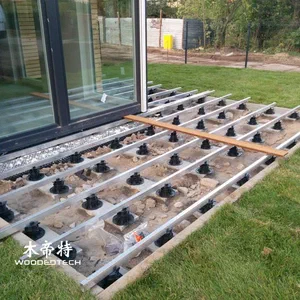
- Installation method for project speed and labor cost
A good design is not only attractive but practical for exterior use. The best WPC cladding choices combine stable performance with a finish that supports the overall look of the project.
FAQ
Q: What makes WPC wall cladding suitable for exterior decoration? A: It offers a wood-like appearance with better weather resistance and low maintenance. It also works well across walls, fences, and outdoor feature areas.
Q: How do I choose the right color for a WPC wall cladding project? A: Match the color to the building style and surrounding materials. Neutral dark tones suit modern projects, while lighter wood shades work well for warmer, more natural spaces.
Q: Can WPC wall cladding be used with other outdoor products? A: Yes, it pairs well with decking, pergolas, gazebos, privacy screens, and landscape elements. Using matching profiles and colors creates a more cohesive outdoor design.
Related Articles
Related Products
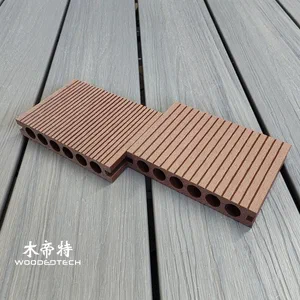 D14025-5 First Generation Large And Small Groove Redwood Color WPC Panel Material With Popular Outdoor Appearance
 B14011 WPC Paneling Sheets Feature Double Flat Surfaces with Heat Pressed Wood Grain Designs for Outdoor Styles
 B7112 WPC Panel Design Exterior Boards Offer Stocked Fence Strips for Outdoor Decoration and Edge Finishing