
How To Choose Plastic Wood Decking Boards Prices For Different Projects

Plastic wood decking boards prices vary widely because every project has different demands for load, appearance, lifespan, and installation method. Buyers should compare price against real performance, not just the lowest quotation, especially when sourcing from overseas suppliers for garden decks, commercial terraces, pool areas, and residential projects.
Match the board to the project
A small balcony, a public walkway, and a resort deck do not need the same product. For light-use spaces, hollow boards may offer a practical price point, while solid or capped boards usually make more sense for heavy traffic, high moisture, or long-term commercial use.
The first step is to confirm the application, expected traffic, and local climate. If the project faces strong sun, frequent rain, or temperature swings, ask about UV stability, expansion behavior, slip resistance, and water absorption before discussing price. A cheaper board that warps or fades early costs more in the end.
Evaluate the supplier, not only the sample
A reliable WPC supplier should be able to explain material composition, extrusion method, surface treatment, and warranty terms in plain terms. Ask whether the factory produces its own profiles or buys from traders, because factory-direct sourcing is usually more stable for pricing and quality control.
Check for consistent production capability, not just attractive brochures. Buyers should request recent project references, size tolerance data, test reports, and packing photos. If the supplier cannot explain how they control color consistency, cap adhesion, or board density, the quotation is not enough evidence of reliability.
Confirm specifications before comparing prices
Many price disputes come from unclear specifications. Before placing an order, confirm:
- board size, thickness, and length
- hollow or solid structure
- surface type, such as wood grain, embossed, or co-extrusion
- color standard and acceptable shade variation
- accessories, clips, joists, and edge trims
- loading requirements and installation spacing
A fair comparison only works when the technical details are identical. A low price for a thinner board or an unprotected surface is not the same offer as a higher-priced capped board with better weather resistance.
Avoid common purchasing risks
Overseas buyers often face hidden risks in moisture resistance, packaging damage, and inconsistent batch colors. To reduce these problems, ask for a pre-production sample, clear inspection standards, and photos or video of finished goods before shipment.

It is also wise to clarify payment terms, lead time, and complaint handling in writing. For large orders, a third-party inspection before loading can prevent expensive mistakes. Reliable suppliers welcome this process because it protects both sides and keeps the transaction transparent.
FAQ
Q: Why do plastic wood decking boards prices differ so much between suppliers? A: The difference usually comes from raw materials, board structure, surface treatment, and factory quality control. Two boards can look similar in photos but perform very differently outdoors.
Q: How can overseas buyers judge whether a WPC factory is reliable? A: Check production capacity, test reports, project references, and whether the factory can explain specifications clearly. A real manufacturer should answer technical questions without changing the story.
Q: What is the safest way to compare quotations? A: Compare only after confirming identical board size, surface, structure, accessories, and warranty terms. Otherwise, the lowest price may simply be quoting a lower-grade product.
Related Articles
 How To Choose The Right Wpc Decking Price For Your Outdoor Flooring Needs
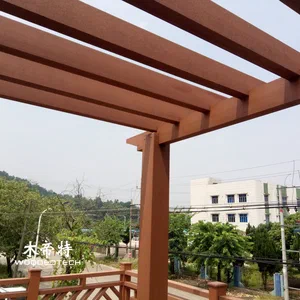 1x6 plastic lumber offers versatile solutions for outdoor construction and landscaping projects
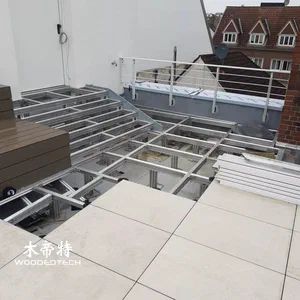 2x6 composite decking provides a practical size option for residential and commercial outdoor decks
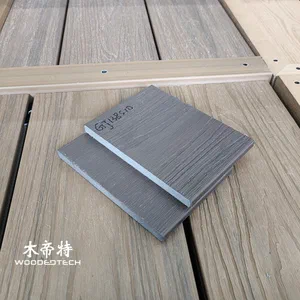 3.6m Composite Decking Boards for Long Lasting Outdoor Deck Projects
Related Products
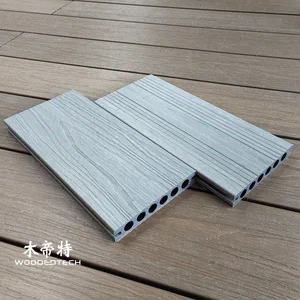 Antique Wood GD13823-3 Co Extruded Composite Wood Decking Boards with Round Holes Are Available in Stock in 3 Meter Lengths Year Round
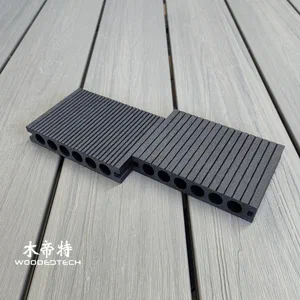 D14025-5 First Generation Large And Small Groove Ebony Color Composite Board With Low Profile Style And Dirt Resistant Outdoor Performance
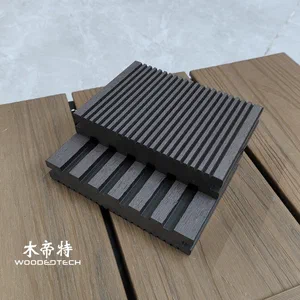 D14025-3S wood plastic composite decking boards offer a classic solid style for outdoor decking projects