How To Choose Fluted Wpc Panel
Fluted WPC panels are widely used for modern wall cladding, interior decoration, and commercial fit-out projects because they combine a clean linear appearance with practical performance. Choosing the right panel is not just about looks; it also depends on material quality, installation requirements, durability, and the end use of the project.
What A Fluted WPC Panel Is
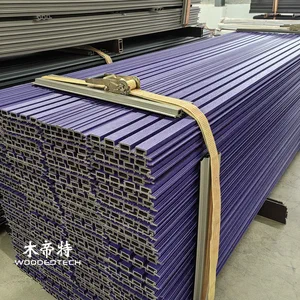
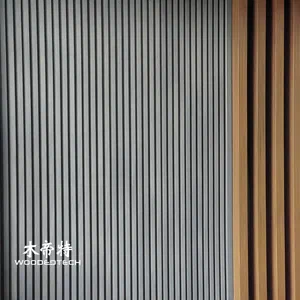
A fluted WPC panel is a decorative wall panel made from wood-plastic composite, usually combining wood fiber, polymer resin, and additives for stability. The surface features repeated grooves or ridges that create a linear, textured appearance. This design gives projects a premium architectural look while offering more consistency than natural wood.
For B2B buyers, fluted WPC panels are often selected for:
- Office interiors
- Hotel lobbies and corridors
- Retail displays
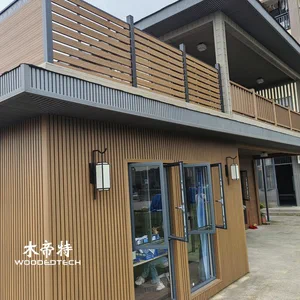
- Residential feature walls
- Restaurant and commercial wall systems
The right product should match both the design intent and the technical demands of the project.
Start With The Application
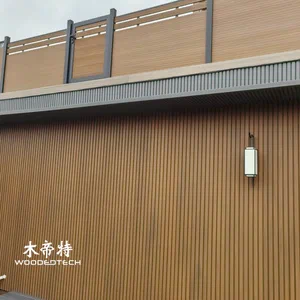
The first step is to define where the panel will be used. A panel suitable for indoor decoration may not be the best choice for semi-outdoor or high-humidity environments.
Ask these questions early:
- Is the panel for indoor or outdoor use?
- Will it face direct sunlight, moisture, or temperature changes?
- Is the project decorative only, or does it need impact resistance?
- Is fire performance required by the local market or building code?
Indoor applications usually prioritize appearance, color consistency, and easy installation. For humid areas such as bathrooms, public washrooms, or coastal projects, water resistance and dimensional stability become more important. For commercial projects, fire rating and low maintenance may also influence the final choice.

Check The Material Composition
Not all WPC panels perform the same way. The ratio of wood fiber, plastic, and additives affects strength, surface finish, and long-term stability. A high-quality fluted WPC panel should have a balanced composition that supports durability without making the product brittle or overly soft.
Important material points include:
- Wood-plastic ratio
- Use of virgin or recycled plastic
- UV stabilizers for color retention
- Anti-fungal and anti-mold additives
- Fire-retardant formulation if required
If the supplier cannot clearly explain the composition, that is a warning sign. For bulk purchasing, request technical data sheets and product test reports before placing an order. This is especially important when sourcing for export markets with specific compliance needs.
Evaluate Surface Quality And Appearance
For decorative wall projects, surface quality directly affects the final result. A panel may look acceptable in a sample photo but still show problems such as inconsistent grooves, rough edges, or uneven color after installation.
Inspect the following:
- Groove depth and consistency
- Straightness of the panel body
- Color uniformity across batches
- Surface texture and finish
- Edge quality and cut precision
For large projects, batch consistency matters as much as the appearance of one sample. If the product will be ordered in phases, ask the supplier how they control color matching between production runs. This is important for hotels, office towers, and chain retail spaces where visual continuity is essential.
Understand Panel Size And Profile Options
Fluted WPC panels are available in different widths, thicknesses, and groove profiles. The right dimensions depend on the visual effect you want and the installation area.
Narrower flutes tend to create a more refined, detailed look, while wider profiles feel stronger and more architectural. Panel thickness also influences rigidity, weight, and ease of handling.
Before choosing, confirm:
- Overall panel width and usable coverage width
- Thickness and back structure
- Groove spacing and depth
- Available lengths for your project
- Whether matching trims and corner pieces are available
From a procurement point of view, standard sizes are usually easier to source, easier to replace, and more cost-efficient. Custom profiles may be useful for signature projects, but they can raise lead times and minimum order quantities.
Review Performance Requirements
A good-looking panel is not enough if it fails on-site. For B2B buyers, performance is often the difference between a successful project and costly after-sales issues.
Key performance areas include:
- Moisture resistance
- Dimensional stability
- Scratch resistance
- Impact resistance
- UV resistance for exposed areas
- Fire performance where needed
In humid climates, the panel should resist swelling, warping, and surface degradation. In high-traffic commercial spaces, it should also handle cleaning and accidental impact. If the installation is near windows or in semi-outdoor conditions, UV resistance becomes critical to prevent fading and surface aging.
Always ask for test data rather than relying on general claims. A reliable supplier should be able to provide information on mechanical properties, weather resistance, and fire behavior when applicable.
Assess Installation Efficiency
Installation cost is often underestimated in wall cladding projects. A panel that is slightly cheaper per square meter may become more expensive if it takes longer to install or requires complex accessories.
Look for features that improve installation efficiency:
- Consistent panel dimensions
- Simple tongue-and-groove or clip systems
- Lightweight construction
- Compatible corner and edge trims
- Clear installation guidelines
For contractors and distributors, installation-friendly products reduce labor time and lower the risk of callbacks. If possible, review the mounting system before placing a large order. Ask whether the panel can be installed on battens, adhesives, or concealed clips, and confirm which method is recommended by the manufacturer.
Compare Supplier Capabilities
Choosing the right fluted WPC panel also means choosing the right supplier. Even a strong product can become a problem if the factory cannot maintain quality, supply volume, or communication.
Evaluate the supplier on:
- Production capacity
- Quality control process
- Export experience
- Customization ability
- Lead time stability
- After-sales support
A good supplier should provide samples, specifications, certification documents, and clear packing details. For overseas buyers, export experience matters because it reduces the risk of documentation issues, damaged packaging, or shipment delays. If you are sourcing for a distributor network or project pipeline, supplier reliability is just as important as product quality.
Balance Cost Against Long-Term Value
Price matters, but the cheapest option is rarely the best one for commercial use. When comparing offers, look beyond the unit price and consider the total project value.
A lower-priced panel may cost more later if it:
- Fades quickly
- Warps in storage or use
- Breaks during installation
- Requires more labor to fit
- Causes customer complaints after delivery
A better approach is to compare product life, installation efficiency, and replacement risk. For wholesalers and project buyers, stable quality often creates a stronger return than chasing the lowest quote. When possible, compare sample performance, warranty terms, and production consistency before deciding.
Request Samples And Verify Before Buying
Never finalize a large order based on photos alone. Samples help you confirm color, texture, groove quality, and overall feel. They also allow you to test cutting, drilling, and installation behavior.
When reviewing samples:
- Compare multiple pieces for color consistency
- Check the groove shape and edge finish
- Test scratch resistance and cleaning ease
- Confirm the weight and rigidity
- Ask whether the sample reflects the final production batch
If the project is large, it is also smart to request a pre-production sample or confirmation sample before mass production. This reduces risk and gives both sides a clear quality reference.
Common Mistakes To Avoid
Many buyers focus on appearance first and technical details later. That approach often leads to problems during installation or after delivery.
Avoid these mistakes:
- Choosing only by price
- Ignoring application conditions
- Overlooking fire or compliance requirements
- Failing to confirm batch consistency
- Skipping sample approval
- Not checking installation accessories
A careful purchasing process saves time, reduces dispute risk, and helps ensure the finished project looks professional.
FAQ
Q: What is the main advantage of fluted WPC panel? A: It combines a modern decorative look with practical benefits such as moisture resistance, durability, and relatively easy maintenance.
Q: Can fluted WPC panels be used in humid environments? A: Yes, many are suitable for humid spaces, but buyers should confirm moisture resistance and dimensional stability before purchase.
Q: How do I know if a fluted WPC panel is good quality? A: Check the surface finish, groove consistency, batch color stability, technical data, and supplier test reports.
Q: Are fluted WPC panels easy to install? A: Most are designed for efficient installation, but the ease of use depends on the profile, size, and mounting system.
Q: What should B2B buyers ask suppliers before ordering? A: Ask about material composition, certification, fire rating, lead time, sample policy, and production capacity.