
How to Choose a Reliable WPC Door Manufacturer for Industrial Projects

Choosing a reliable WPC door manufacturer for industrial projects requires more than comparing quotations and product prices. Overseas buyers should assess the manufacturer’s production capabilities, material quality, technical specifications, quality control procedures, and export experience before placing an order. A qualified supplier can help reduce purchasing risks, maintain consistent product performance, and ensure smooth project delivery.
Evaluate the Manufacturer’s Factory and Production Capabilities
The first step is to verify whether the supplier operates its own manufacturing facility or works primarily as a trading company. A manufacturer with in-house production generally offers better control over raw materials, processing standards, customization, and delivery schedules.
When evaluating a WPC door factory in China, overseas buyers should pay attention to several key factors:
- Production equipment: Check whether the factory has suitable extrusion, molding, cutting, surface finishing, and assembly equipment.
- Manufacturing capacity: Confirm monthly output and whether the factory can handle large-volume industrial orders.
- Raw material management: Ask how wood powder, polymer materials, additives, and other ingredients are sourced and inspected.
- Quality control: Review incoming material inspections, production checks, and final product testing.
- Customization capabilities: Determine whether the manufacturer can produce different door sizes, colors, surface finishes, and structural designs.
A factory visit, either in person or through a live video inspection, can provide useful evidence of its actual production capabilities. Buyers should also request factory photographs, production videos, business licenses, and relevant quality management documentation.
Check Material Quality and Product Performance
WPC doors are manufactured using a combination of wood-based materials and thermoplastics. However, the material composition, manufacturing process, and internal structure can vary significantly between suppliers. These differences affect door strength, dimensional stability, moisture resistance, and service life.
Do not evaluate a WPC door based solely on its appearance or surface finish. Ask the manufacturer for detailed information about its material formulation and production standards.
Important technical factors include:
- Material composition: Understand the wood-plastic ratio and the types of polymers and additives used.
- Door structure: Confirm whether the door is solid, hollow, or reinforced, depending on the application.
- Density and weight: Compare product specifications to ensure consistent manufacturing quality.
- Moisture resistance: Request relevant test reports, especially for humid environments.
- Surface durability: Evaluate resistance to scratches, impact, stains, and everyday wear.
- Fire performance: Check whether the product meets the fire safety requirements applicable to the project.
For industrial buildings, commercial facilities, and large residential developments, buyers should match material performance to actual operating conditions. A door intended for a dry indoor environment may not be suitable for a facility exposed to frequent moisture, cleaning chemicals, or heavy daily use.
Confirm Specifications Before Requesting a Quotation
One common purchasing mistake is requesting prices before providing complete technical requirements. This often leads to inconsistent quotations, unexpected modifications, and disputes during production.
Before asking a WPC door manufacturer for a quotation, prepare a clear specification sheet covering the following details:
| Specification | Information to Confirm |
|---|---|
| Door dimensions | Height, width, and thickness |
| Door structure | Solid, hollow, or reinforced |
| Material | WPC composition and internal construction |
| Surface finish | Wood grain, smooth, or customized |
| Color | Standard or custom color reference |
| Hardware | Hinges, handles, locks, and accessories |
| Application | Commercial, residential, or industrial |
| Packaging | Individual protection or export cartons |
| Quantity | Order volume and delivery batches |
Buyers should also clarify whether the quotation includes door frames, hardware, installation accessories, and other components. These items can significantly affect the final project cost.
For customized orders, request technical drawings or samples before mass production. Both parties should approve the final dimensions, surface finish, color, and construction details in writing. This provides a clear reference for manufacturing and quality inspection.
Review Certifications and Quality Control Procedures
Reliable manufacturers should be able to explain how they maintain product consistency and demonstrate compliance with relevant standards. However, buyers should not assume that every WPC door carries the same certifications or meets identical performance requirements.

Request copies of available test reports and verify whether they apply to the exact product being purchased. Depending on the destination market and project requirements, relevant documentation may cover fire performance, formaldehyde emissions, mechanical strength, moisture resistance, and environmental compliance.
It is also important to understand the factory’s inspection process. A professional supplier should have procedures for checking raw materials, monitoring production parameters, inspecting finished doors, and identifying defective products.
For large industrial orders, buyers can arrange pre-shipment inspections through their own quality team or an independent third-party inspection company. Inspection criteria should be agreed upon before production begins, including acceptable dimensional tolerances, surface defects, color differences, packaging conditions, and sampling procedures.
Compare Quotations, Lead Times, and Export Experience
The lowest quotation does not necessarily represent the best purchasing decision. A significantly lower price may reflect differences in material quality, door construction, hardware, packaging, or quality control.
When comparing suppliers, evaluate the complete purchasing cost rather than the factory price alone. Consider transportation, export packaging, customs clearance, applicable duties, and potential replacement costs.
Delivery commitments are equally important. Ask the manufacturer to confirm:
- Sample production lead time.
- Mass production schedule.
- Monthly manufacturing capacity.
- Packaging and loading arrangements.
- Shipping port and available trade terms.
- Procedures for handling delays or defective products.
Export experience is another important consideration. A manufacturer familiar with overseas projects is more likely to understand international packaging requirements, commercial documentation, shipping arrangements, and communication expectations.
Request references from previous overseas customers when possible. Experience supplying commercial buildings, hotels, offices, and industrial facilities can provide useful evidence of the manufacturer’s ability to manage demanding projects.
Protect Your Purchase with Clear Agreements and Sample Approval
Even after selecting a suitable supplier, buyers should establish clear purchasing terms before transferring deposits or starting mass production.
The purchase contract should specify product dimensions, material requirements, approved samples, order quantities, unit prices, payment terms, delivery schedules, inspection standards, and warranty responsibilities. It should also explain how the manufacturer will handle shortages, manufacturing defects, and replacement requests.
Avoid making large commitments based only on product photographs or verbal promises. Request physical samples and evaluate their construction, weight, surface quality, and finishing before confirming the order.
For customized industrial projects, retain an approved reference sample and signed technical drawings. These documents help both parties maintain consistent expectations throughout manufacturing.
A dependable WPC door manufacturer should be transparent about its production processes, realistic about delivery commitments, and willing to provide technical support throughout the purchasing process. Overseas buyers who verify factory capabilities, confirm specifications, and establish clear inspection standards can build stronger supplier relationships and reduce unnecessary risks in international procurement.
Related Articles

Related Products
 GD13823-3 Composite Boards for Decking Are Available in Multiple Stock Colors with 3 Meter Lengths and Single Piece Delivery
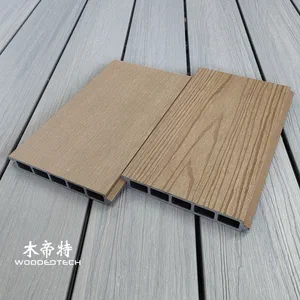 3DGL18024 WPC Longboard Fence Features Premium Co Extruded 3D Embossed Teak Wood Grain Texture with Realistic Natural Wood Fibers
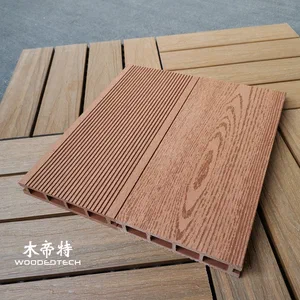 The Classic D14025-4 Red Wood WPC Wood Sheet Features a Timeless 2D Flat Wood Grain Design That Remains Popular After Twenty Years