
How To Choose 3d Wpc Wall Panel Design For Attractive Outdoor Walls

Choosing the right 3D WPC wall panel design starts with the look you want to create and the way the wall will be used outdoors. For attractive exterior walls, the best panels balance texture, color, profile depth, and long-term weather performance while staying easy to install and maintain.
Why 3D Wall Panels Matter

3D WPC wall panels do more than cover a surface. They add shadow, rhythm, and material depth, which helps plain outdoor walls look finished and intentional. In modern projects, this same design language is also shaping composite decking, fences, pergolas, gazebos, and landscape features, so the whole space feels connected.
The strongest trend is toward clean lines with a natural wood look, but not a flat imitation. Buyers now prefer panels with visible grain, fluted details, or embossed faces that catch light differently through the day. Dark charcoal, warm teak, and muted gray-brown tones remain popular because they work well with metal frames, concrete, stone, and planted areas.
Colors, Textures, and Profiles
Color choice should follow the building style and the amount of sunlight the wall receives. Darker shades create a sharper, more architectural result, while lighter wood tones soften large wall surfaces and make compact courtyards feel open. For commercial facades and private garden walls, consistent color across panels, decking edges, and fencing helps the site read as one design.
Texture is just as important. A smooth surface can work in minimal projects, but 3D embossed or fluted profiles usually deliver more visual interest outdoors. They reduce the flatness of large walls and help hide minor dirt or marks. Deep grooves, narrow slats, and layered lines are especially effective when the wall needs to look refined from a distance and detailed up close.
Profiles also affect how the wall performs visually. Vertical boards can make a wall appear taller, while horizontal layouts feel wider and more relaxed. Modular panel sizes are useful when you need fast installation, predictable spacing, and a neat finish around gates, columns, planters, or lighting.
Matching Wall Panels With Other Outdoor Products
The best outdoor spaces use repeated materials across several elements. A 3D WPC wall panel design can echo the finish of a composite pergola, privacy fence, or landscape screen, creating a coordinated design without looking repetitive. This is where modular thinking matters: the same surface language can move from walls to ceilings, benches, and fence panels with minimal adjustment.
For hospitality terraces, residential gardens, and show villas, pairing wall panels with composite decking and matching pergola beams gives the project a stronger sense of structure. It also makes the space easier to maintain because WPC products share similar cleaning routines and weather resistance.
Practical Selection Tips
Choose a panel design that fits the scale of the wall. Heavy textures suit large feature walls, while finer grain patterns work better on smaller facades. Check whether the profile supports hidden fixing, clean corner finishing, and stable color retention under UV exposure. For outdoor use, the panel should feel decorative, but it must also resist moisture, fading, and daily wear.
FAQ
Q: What is the best 3D WPC wall panel design for outdoor walls? A: The best design combines a deep but balanced texture, a weather-resistant color, and a profile that suits the wall scale. Fluted and embossed styles are especially effective for modern exteriors.
Q: How do I match wall panels with decking and fencing? A: Use the same color family and similar surface texture across all products. This creates a unified outdoor look without making every element identical.
Q: Are darker WPC wall panels suitable for exterior projects? A: Yes, darker panels often work well in modern outdoor spaces because they add contrast and a more architectural feel. They are especially effective when paired with metal, stone, or greenery.
Related Articles
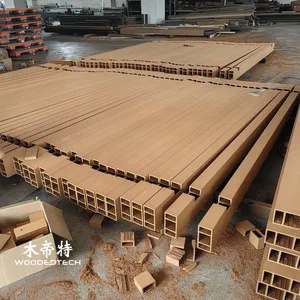 3d wpc wall panel design creates modern outdoor walls with realistic decorative surface effects
 wpc wall panels designs provide creative exterior decoration ideas with different textures and colors
 How To Create Wood Plastic Composite Wall Panel Design For Outdoor Buildings
 wood wall panel plastic combines decorative wood effects with moisture resistant outdoor performance
Related Products
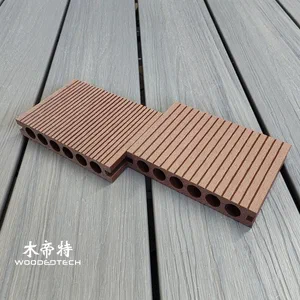 D14025-5 First Generation Large And Small Groove Redwood Color WPC Panel Material With Popular Outdoor Appearance
 B14011 WPC Paneling Sheets Feature Double Flat Surfaces with Heat Pressed Wood Grain Designs for Outdoor Styles
 3D14520.5wpc exterior wall paneling with 3D embossed surface design creates stylish outdoor building facade solutions