
How Much Does a 20x20 Composite Deck Cost and What Factors Affect the Price
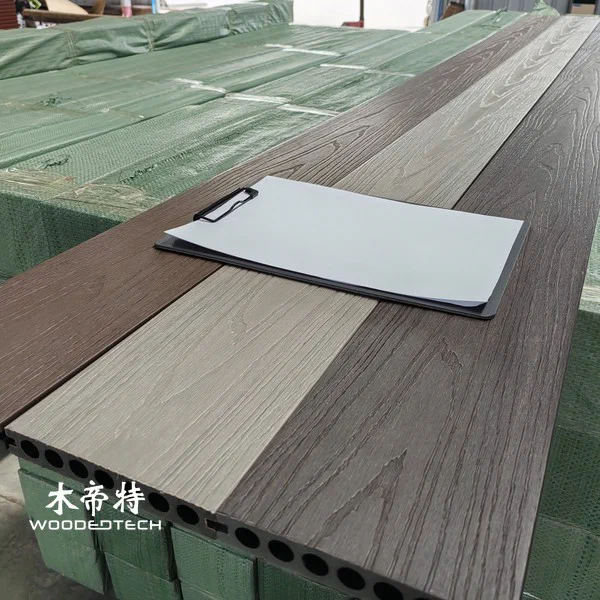
A 20x20 composite deck is a common mid-size commercial deck project, and its cost usually depends on material grade, framing, labor, and site conditions. For B2B buyers, the most useful way to estimate price is to break it down by decking system rather than looking at a single number.
Typical cost range for a 20x20 composite deck
A 20x20 deck covers 400 square feet. For a basic to mid-range build, the total installed cost often falls into a broad range because composite systems vary widely in performance and finish. In many markets, buyers should expect the cost to move based on whether they choose standard capped boards, premium fully capped boards, hidden fasteners, and upgraded substructure materials.

A practical budgeting range for procurement teams is:
- Entry-level commercial build: lower material grade, simpler framing, fewer accessories
- Mid-range build: capped composite decking boards, standard railing, proper drainage details
- Premium build: high-end surface finish, heavier framing, custom railing, stronger warranty expectations
For distributors, contractors, and project specifiers, the deck cost is rarely just “boards per square foot.” It is the combination of decking composite material, joists, fasteners, edge trims, railing, labor, and waste allowance.
Main factors that affect the price
Material choice has the biggest impact. Capped composite decking costs more than uncapped products, but it usually offers better stain resistance, color stability, and lower long-term maintenance. Board thickness, profile type, and surface texture also matter; solid boards and premium embossed finishes usually increase the quote.
Labor and installation complexity can shift the budget significantly. A flat, open site is far cheaper to build than a deck with stairs, multiple levels, curves, or integrated composite deck railing. If the project requires custom drainage, stronger subframing, or commercial load requirements, framing costs rise quickly.
Other cost drivers include:
- Local freight and import duties
- Brand positioning and warranty length
- Color selection and minimum order volume
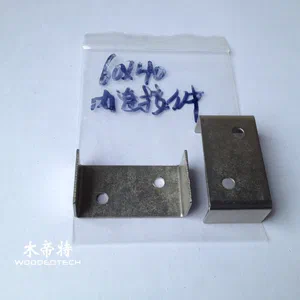
- Hidden clip systems and trim accessories
- Removal of old decking or site prep
How B2B buyers should compare quotes
When comparing supplier quotes, ask for pricing on a full system, not just the boards. A low decking composite price can look attractive until joists, clips, fascia, and railing are added. Request the unit price per square foot or square meter, plus installation details and compliance documents if the project is for hospitality, retail, or public use.
For wholesalers and project buyers, it also helps to compare product consistency, lead time, and batch color control. These factors affect project delivery as much as the initial composite deck cost.
FAQ
Q: What is the biggest cost factor in a 20x20 composite deck? A: The decking system itself is usually the main cost driver, especially board grade, framing requirements, and labor. Premium capped boards and complex layouts increase the total quickly.
Q: Is composite decking more expensive than wood for a 20x20 deck? A: Usually yes at the start, but composite can lower maintenance and replacement costs over time. For commercial buyers, lifecycle cost is often the better comparison.
Q: How can buyers reduce composite deck project cost? A: Standardize the board profile, simplify the deck shape, and request full-system quotes from suppliers. Ordering in bulk and avoiding custom details can also improve pricing.
Related Articles
Related Products
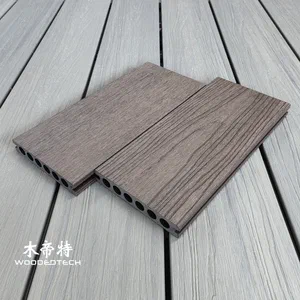 3DGD13823 Second Generation 3D Embossed Rosewood Composite Balcony Decking Delivers Ultra Realistic Wood Grain Texture and a Premium Natural Wood Experience
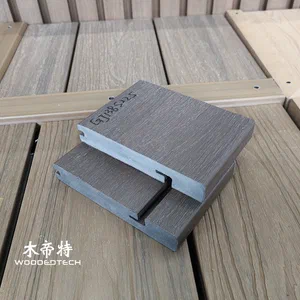 GD13822.5S Fully Capped Solid Starter Wood Polymer Composite Decking Provides a Stable Starting Structure for the First Decking Board
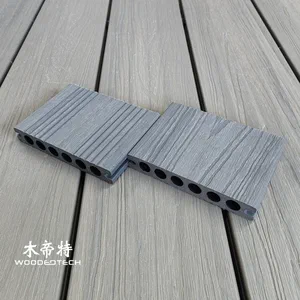 GD13823-3 Light Grey Premium Co Extrusion WPC Composite Decking Offers LG Texture and Excellent UV Resistance for Outdoor Spaces