
How Long Does Plastic Cladding Last? Lifespan & Durability Analysis
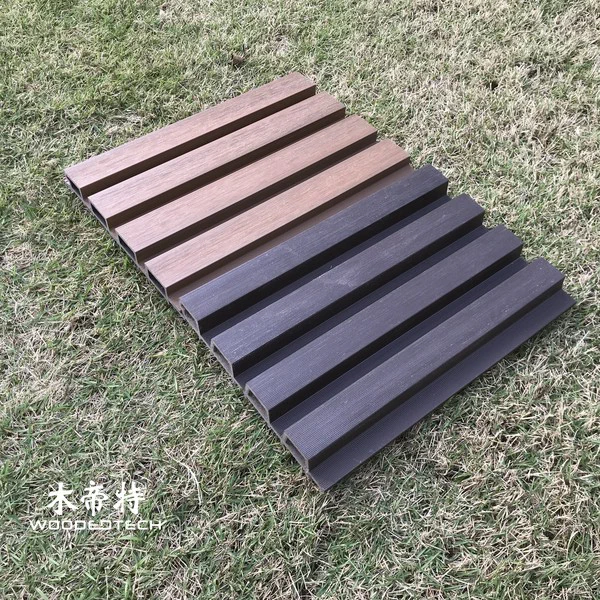
Plastic cladding can last for decades when it is properly specified, installed, and maintained. For industrial and commercial projects, its service life usually depends on the material blend, UV exposure, climate, and the quality of the substrate and fixings.
What Determines Lifespan
Plastic cladding is not all the same. High-grade wood plastic composite and engineered exterior panels typically perform much better than basic PVC sheets because they resist moisture, rot, and insect damage more effectively. In practice, a well-made system can last 15 to 30 years or longer in many building applications.
UV stability is one of the biggest factors affecting durability. Cladding exposed to intense sunlight without adequate surface protection may fade, chalk, or become brittle sooner. That is why capped or co-extrusion products are often preferred for facades, warehouses, and other demanding environments.
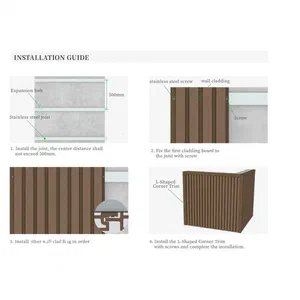
Installation quality also matters. If the structure is flat, ventilation is adequate, and expansion gaps are correctly set, the panels can move naturally with temperature changes. Poor fastening or trapped moisture can shorten lifespan even when the product itself is sound.
Durability in Real-World Use
For B2B buyers, durability is usually measured by how well the cladding resists weather, impact, staining, and maintenance downtime. Plastic cladding performs strongly in wet or corrosive conditions because it does not absorb water like timber and does not require regular repainting.

Routine cleaning is simple: dust, salt, and pollution deposits should be removed before they build up. Unlike painted finishes, most plastic cladding only needs periodic washing, which is a major advantage for large facilities, logistics centers, and commercial buildings.
How to Extend Service Life
The best results come from matching the product to the environment. Coastal sites, high-UV regions, and high-traffic commercial exteriors need stronger specifications than sheltered installations.
- Choose UV-resistant, capped, or co-extrusion products
- Confirm correct ventilation and expansion spacing
- Use corrosion-resistant fasteners and compatible substructures
- Follow the manufacturer’s installation guide closely
- Plan simple cleaning and inspection schedules
When these basics are followed, plastic cladding can deliver stable appearance and performance for many years without the recurring upkeep associated with natural timber.
FAQ
Q: How long does plastic cladding usually last? A: Quality plastic cladding often lasts 15 to 30 years or more, depending on exposure, material grade, and installation quality.
Q: Does plastic cladding fade in sunlight? A: Lower-grade products can fade over time, but UV-stabilized and capped systems are designed to hold color much longer.
Q: Is plastic cladding suitable for industrial buildings? A: Yes, especially where moisture resistance, low maintenance, and consistent appearance are important. Product selection should match the site conditions and performance requirements.
Related Articles
Related Products
 3D17618wood look plastic cladding with three dimensional embossed texture offers unique exterior wall decoration effects
 Q14520.5 wpc cladding outdoor with single layer structure provides a cost effective solution for exterior wall decoration
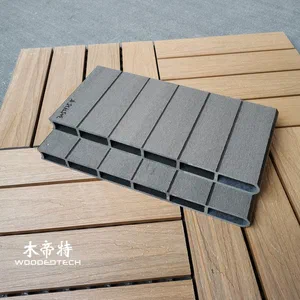 Q30525.4 Extra Wide 300mm Wood Cladding for Exterior Walls with Modern Outdoor Design