
how do i know if my composite decking is capped
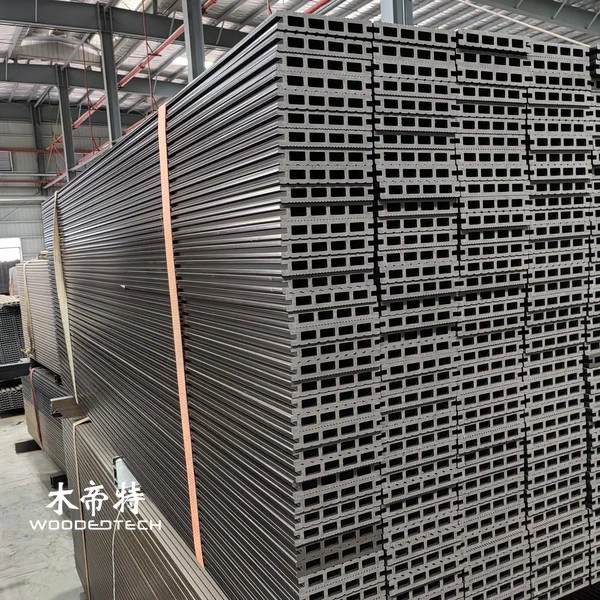
Composite decking is a popular choice for commercial and residential projects due to its durability and low maintenance. However, not all composite decking is created equal. One key distinction lies in whether the decking is capped or uncapped. Understanding this difference is crucial for assessing performance, longevity, and maintenance requirements.
What Is Capped Composite Decking?

Capped boards generally offer improved resistance to fading, staining, and mold growth, making them a preferred choice for high-traffic or outdoor applications. They also tend to retain their appearance longer, requiring less frequent cleaning and maintenance.
How to Identify Capped Composite Decking
If you’re unsure whether your composite decking is capped, there are several ways to determine its type. Use the following methods to inspect your decking and confirm its construction:
1. Look at the Cross-Section of the Board
The easiest way to identify if your decking is capped is by examining the cross-section of a board. If the board is capped, you’ll see a distinct outer layer that appears different from the inner core. This cap may have a smoother or glossier finish compared to the composite material inside. Uncapped boards, by contrast, will have a uniform material composition throughout.
2. Inspect the Surface Texture
Capped decking often has an enhanced surface texture designed to mimic the look of natural wood or achieve a specific finish. If your decking has a highly refined or textured surface that feels smooth to the touch, it’s likely capped. Uncapped boards may have a rougher, more porous surface that can absorb dirt and moisture more easily.
3. Check for Stain and Scratch Resistance

4. Refer to Manufacturer Information
If you have access to the original product documentation, such as brochures, installation guides, or labeling on the boards, you can find clear information about whether the decking is capped. Manufacturers often highlight this feature prominently as a selling point. If the decking was installed by a contractor, you might also inquire with them for confirmation.
5. Look for Branding or Markings
Some premium capped composite decking brands include branding or markings on the underside of the boards. These markings may indicate the product line, manufacturer, and whether it’s capped. If your boards have such markings, you can cross-reference them with the manufacturer’s website or catalog to verify their construction.
Benefits of Capped Composite Decking
If your decking is capped, you’re likely enjoying several advantages over uncapped options. Here are some of the key benefits:
- Durability: The protective cap provides added resistance to wear and tear, extending the life of the decking.
- Low Maintenance: Capped boards require less frequent cleaning and are easier to maintain, as the cap resists staining and mold growth.
- Aesthetic Appeal: The cap allows for richer colors and textures, closely mimicking the look of natural wood.
- Weather Resistance: Capped decking is better equipped to handle extreme weather conditions, including UV exposure and heavy rain.
When to Consider Upgrading to Capped Decking
If you discover that your current decking is uncapped, you might wonder if it’s time to upgrade. While uncapped boards can still perform well in certain environments, they may require more maintenance and have a shorter lifespan. If your decking is showing signs of fading, staining, or mold growth, switching to capped composite decking could be a wise investment.
Capped boards are especially worth considering for applications in harsh climates, high-traffic areas, or locations where aesthetics are a top priority. They may come at a slightly higher initial cost but can save you money in the long run by reducing maintenance and replacement needs.
FAQ
Q: What does “capped” mean in composite decking? A: Capped composite decking has a protective layer surrounding the core material, offering enhanced durability, stain resistance, and weather protection.
Q: Can I tell if decking is capped just by looking at it? A: Yes, you can often identify capped decking by examining the cross-section, surface texture, or product markings. The cap is usually distinct from the core.
Q: Is capped composite decking more expensive than uncapped? A: Generally, capped decking costs more upfront due to its advanced features, but it offers better longevity and reduced maintenance costs over time.
Q: How do I maintain capped composite decking? A: Maintenance is minimal—regular cleaning with soap and water is usually sufficient. Avoid abrasive tools or harsh chemicals.
Q: Are there any downsides to capped composite decking? A: The main downside is the higher initial cost. However, its durability and low maintenance often offset this over time.
Related Articles
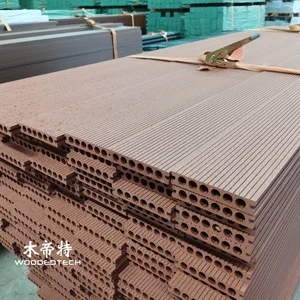
Related Products
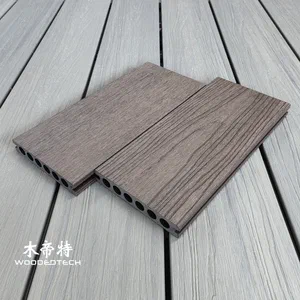 3DGD13823 Second Generation 3D Embossed Rosewood Composite Balcony Decking Delivers Ultra Realistic Wood Grain Texture and a Premium Natural Wood Experience
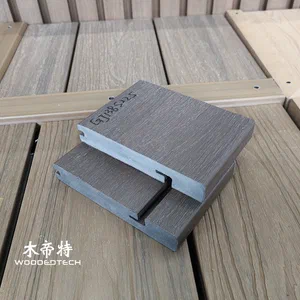 GD13822.5S Fully Capped Solid Starter Wood Polymer Composite Decking Provides a Stable Starting Structure for the First Decking Board
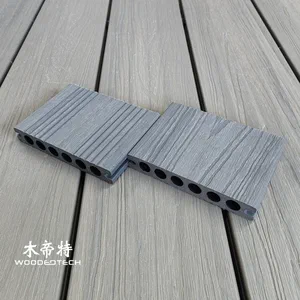 GD13823-3 Light Grey Premium Co Extrusion WPC Composite Decking Offers LG Texture and Excellent UV Resistance for Outdoor Spaces