
High-Quality WPC Panels: The Ultimate Guide for Eco-Friendly Building
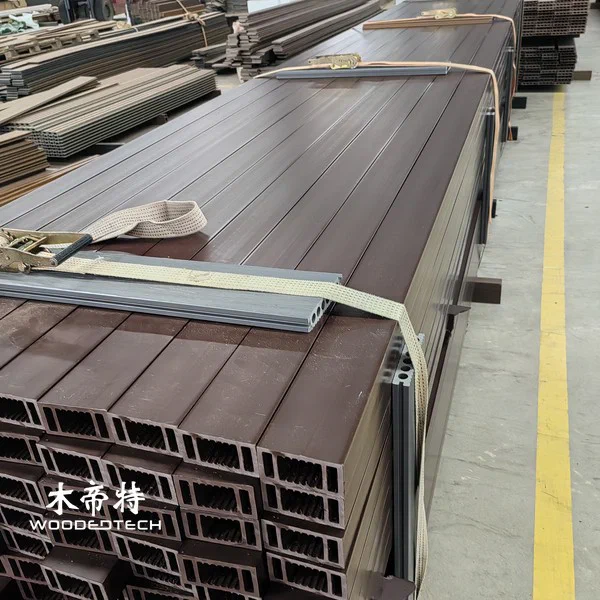
High-quality WPC panels are engineered for durable, low-maintenance exterior and interior applications, making them a practical choice for eco-friendly building projects. For B2B buyers, they offer a balanced mix of performance, appearance, and supply consistency across commercial construction, renovation, and export markets.
What WPC Panels Are
WPC, or wood plastic composite, combines wood fiber with polymer materials to create panels that are more stable than natural wood in demanding environments. They are widely used as exterior wall cladding, decorative façades, and architectural surfaces where moisture resistance, dimensional stability, and a clean finish matter.
For builders and distributors, the main appeal is simple: WPC panels reduce issues linked to cracking, warping, and frequent repainting. They also support modern design needs, from smooth minimal surfaces to textured wood-grain effects that suit hospitality, retail, residential, and public buildings.
Why Buyers Choose Them
High-quality WPC panels are valued for their strong weather resistance and long service life. They perform well in rain, humidity, and sun exposure, while offering better maintenance efficiency than many traditional materials.

- Moisture resistance for exterior use
- Stable appearance with low upkeep
- Consistent color and surface texture
- Suitable for large-scale projects
- Better resource efficiency than solid timber
For procurement teams, this means fewer warranty concerns and more predictable lifecycle costs. For contractors, it means faster installation and less site rework.
Applications in Eco-Friendly Construction
WPC panels fit well into sustainable building strategies because they can incorporate recycled materials and reduce reliance on virgin wood. They are commonly specified for façades, balcony enclosures, feature walls, and commercial cladding systems.
In export and wholesale markets, demand is also growing for matching systems such as trim profiles, louvers, and accessory parts. This helps create a coordinated exterior package, which is especially useful for hotel chains, residential developers, and prefabricated building suppliers.
What to Check Before Purchasing
Not all WPC panels perform the same way. Buyers should confirm material density, UV resistance, surface treatment, color stability, and installation compatibility. It is also important to ask for test data, product dimensions, and application guidance before placing bulk orders.
When evaluating suppliers, look for:
- Reliable batch consistency
- Clear technical specifications
- Project-ready packaging and export support
- Custom options for size, texture, and color
- Proven experience in industrial supply
A dependable supplier can reduce sourcing risk and help align the product with local building standards and project requirements.
FAQ
Q: Where are WPC panels used most often? A: They are commonly used for exterior wall cladding, decorative façades, balcony panels, and commercial building surfaces. Their durability makes them suitable for both new construction and renovation.
Q: Are WPC panels suitable for eco-friendly projects? A: Yes. Many WPC panels use recycled wood and plastic content, which helps reduce material waste and support sustainable building goals. They also last longer than many conventional finishes.
Q: What should B2B buyers ask suppliers before ordering? A: Ask for technical specifications, UV and weather resistance details, installation guidance, and available customization. These details help ensure the panels match project and market requirements.
Related Articles
Related Products
 B1409.5 Siding WPC Exterior Boards Provide Waterproof Insect Resistant and Durable Outdoor Wall Solutions
 B17010 Plastic Wood Look Siding Provides Decorative Thin Boards for Modern Outdoor Wall Applications
 B7112 WPC Panel Design Exterior Boards Offer Stocked Fence Strips for Outdoor Decoration and Edge Finishing