
High-Quality WPC Decking UK Standard - Weatherproof Composite Decking Supplier
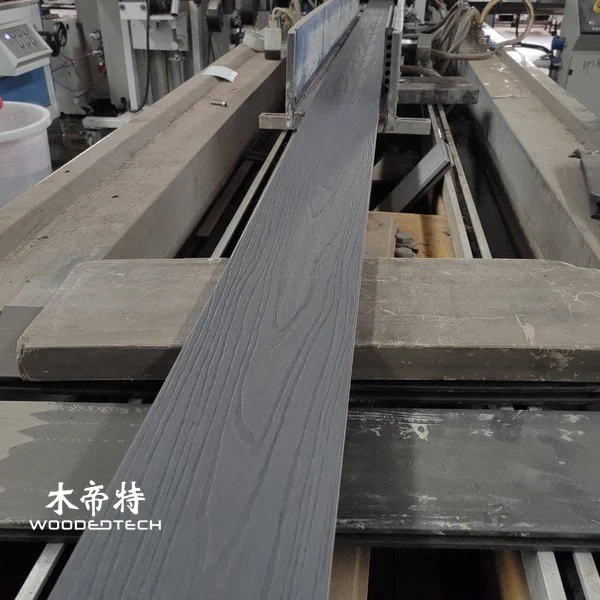
High-quality WPC decking UK standard is designed for projects that need reliable outdoor performance, consistent appearance, and long service life. For builders, distributors, and trade buyers, it offers a practical alternative to timber by combining a wood-like look with better resistance to moisture, fading, and daily wear.
Why UK Standard Matters in B2B Decking Projects

In B2B procurement, the right product must perform across seasons. Rain, frost, UV exposure, and temperature changes all affect outdoor surfaces. A weatherproof composite decking system reduces maintenance calls, limits replacement risk, and supports better project margins over time.
What Makes WPC Decking Weatherproof
WPC, or wood plastic composite, blends wood fibers with polymer materials to create a stable, durable outdoor board. The material is engineered to resist many of the weaknesses associated with natural timber.
Key performance advantages include:
- Better moisture resistance than untreated wood
- Reduced risk of rotting, warping, and splintering
- Stable appearance under normal outdoor exposure
- Low maintenance requirements after installation
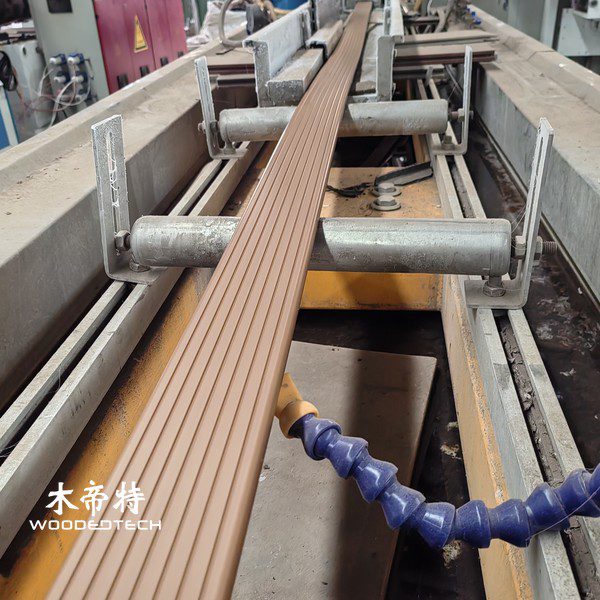
- Suitable surface options for grooved or embossed finishes
For buyers sourcing outdoor flooring for commercial environments, these qualities matter because they reduce lifecycle costs. The product can be specified for patios, balconies, pool surrounds, rooftop terraces, and landscaped public areas where safety and appearance both count.
Benefits for Trade Buyers and Contractors
A dependable composite decking supplier should help buyers secure repeatable quality and predictable delivery. That is especially important when a project includes multiple sites or phased installation schedules.
For trade customers, high-quality WPC decking offers:
- Consistent board dimensions for easier installation
- A professional finish that supports premium project positioning
- Lower aftercare demands compared with timber decking
- Broad appeal for residential and commercial applications
- Stronger value over the product lifecycle

Applications Across Commercial and Residential Projects
Although the product is often associated with domestic gardens, its real value in the trade market comes from versatility. A weatherproof composite decking system can be used in a wide range of settings.
Common applications include:
- Residential terraces and garden decks
- Hotel and resort outdoor seating areas
- Restaurant and café platforms
- Retail forecourts and leisure spaces
- Office breakout zones and rooftop areas
- Residential developments and show homes
The same material can also be paired with other exterior products such as cladding, fencing, and railing to create a coordinated look across a project. This is useful for developers and contractors who want one material family across multiple outdoor surfaces.
Quality Factors Buyers Should Check
Not all composite decking performs at the same level. Buyers sourcing for wholesale or project supply should evaluate product construction, surface treatment, and supplier support before placing an order.
Important factors to review include:
- Board construction: solid or hollow profiles depending on load and budget
- Surface finish: embossed, capped, or co-extrusion options
- Slip resistance: especially for wet areas and public access
- UV stability: to help manage fading and color change
- Installation system: matching joists, clips, and accessories
- Supply consistency: stable color, sizing, and batch control
A well-made board should feel stable underfoot and maintain a clean finish after repeated exposure to outdoor conditions. For projects in the UK, this is especially important in areas with frequent rain and temperature swings.
Why Co-Extrusion and Capped Options Are Popular
Modern buyers increasingly prefer capped composite decking or co-extrusion decking because these products add a protective outer layer around the core. That layer helps improve stain resistance, moisture protection, and surface durability.
For commercial settings, this can be a smart investment. Food service areas, hospitality decks, and busy outdoor walkways benefit from a surface that is easier to clean and less likely to show early wear. It also supports stronger color retention, which matters in projects where visual consistency is part of the design brief.
Supplier Considerations for UK and Export Markets
When sourcing from a composite decking supplier, buyers should look beyond unit price. The right partner should understand export packaging, compliance expectations, lead times, and the requirements of trade customers.
A capable supplier should offer:
- Stable factory output and quality control
- OEM or private label support where needed
- Technical guidance on installation and accessories
- Export-ready packing for container shipments
- Flexible order volumes for distributors and project buyers
For importers and wholesalers, dependable supply is often more valuable than a slightly lower price. Delays, color inconsistency, or poor packaging can create far greater cost later in the project cycle.
Installation and Aftercare Advantages
WPC decking is generally easier to handle than many traditional outdoor flooring options. Once the substructure is correctly prepared, installation can move quickly with compatible clips and joists. That reduces labor time and helps contractors maintain tighter schedules.
After installation, care is simple. Routine sweeping and occasional washing are usually enough to keep the surface in good condition. This is a major selling point for commercial end users who want attractive outdoor flooring without ongoing treatment costs.
For buyers supplying the trade, this simplicity can become a strong sales argument. It is easier to market a product that looks good, installs efficiently, and stays low-maintenance over time.
Choosing a Product for Long-Term Value
The best WPC decking for UK-standard projects is not just about appearance. It should deliver a balanced combination of weather resistance, strength, installation practicality, and visual appeal. Buyers should compare product structure, surface treatment, and supplier support before committing to a range.
In practice, the strongest products are those that hold up in real-world conditions while remaining cost-effective for contractors and distributors. That balance is what makes composite decking a strong category for B2B buyers focused on value, reliability, and market demand.
FAQ
Q: Is WPC decking suitable for UK weather? A: Yes. Quality WPC decking is designed to handle rain, moisture, and seasonal temperature changes better than untreated timber.
Q: What is the main advantage of capped composite decking? A: Capped composite decking adds a protective surface layer that improves stain resistance, moisture protection, and long-term appearance.
Q: Can WPC decking be used for commercial projects? A: Yes. It is widely used in hospitality, residential developments, leisure spaces, and other outdoor commercial areas.
Q: Does WPC decking need regular staining or sealing? A: No. It is designed for low maintenance and usually only needs basic cleaning to stay presentable.
Q: What should trade buyers ask a supplier before ordering? A: They should confirm board construction, UV resistance, slip performance, installation accessories, lead times, and export packaging support.
Related Articles
Related Products
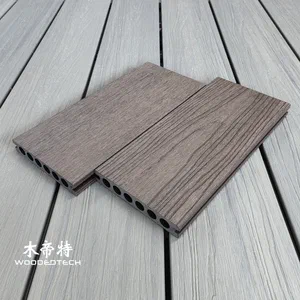 3DGD13823 Second Generation 3D Embossed Rosewood Composite Balcony Decking Delivers Ultra Realistic Wood Grain Texture and a Premium Natural Wood Experience
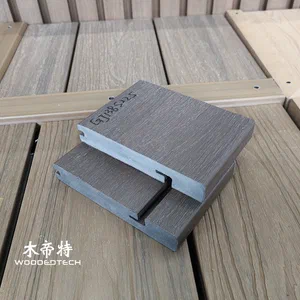 GD13822.5S Fully Capped Solid Starter Wood Polymer Composite Decking Provides a Stable Starting Structure for the First Decking Board
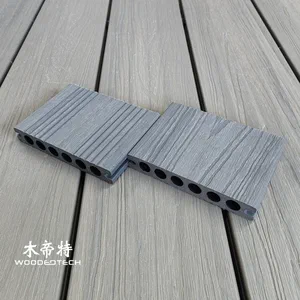 GD13823-3 Light Grey Premium Co Extrusion WPC Composite Decking Offers LG Texture and Excellent UV Resistance for Outdoor Spaces