
High-Quality composite decking edge trim for a Perfect Finish
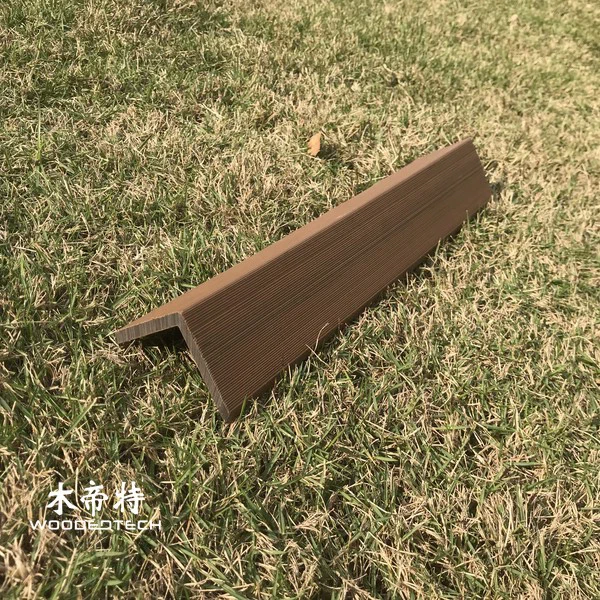
High-quality composite decking edge trim gives outdoor projects a clean perimeter, protects exposed board ends, and helps finished decks look more professional in commercial installations. For contractors, distributors, and project specifiers, the right trim is not just a cosmetic detail; it supports durability, easier maintenance, and a more consistent result across large builds.
Why edge trim matters
Composite decking is designed for long service life, but unfinished edges can still affect the final appearance and performance of the deck. Edge trim covers cut ends, reduces visual gaps, and creates a neat transition between the decking surface and stairs, framing, or perimeter structures. On busy B2B projects, this is especially valuable because a uniform finish strengthens the overall quality impression.
A well-matched trim also helps simplify installation planning. Instead of leaving exposed board ends or relying on on-site improvisation, installers can use purpose-made trim pieces that align with the deck profile. That means fewer touch-ups, less rework, and a cleaner handover for clients who expect a premium exterior finish.
Performance and specification priorities

Key points to evaluate:
- Stable profile size for repeatable installation
- Weather resistance for outdoor use
- Color coordination with decking boards
- Clean-cut edges for a finished appearance
- Compatibility with common fixing methods
For OEM buyers and project developers, trim can also be specified as part of a broader decking package. This helps streamline sourcing and ensures the deck boards, corner details, and perimeter finishes work as one system rather than as separate components from different suppliers.
Best uses in B2B projects
Composite decking edge trim is widely used on resort terraces, rooftop decks, hospitality walkways, retail outdoor seating areas, and residential developments. It is also useful wherever the deck edge is highly visible, such as around stairs, planters, raised platforms, and poolside installations. In these settings, trim improves both safety perception and design consistency.
For export buyers, the most reliable suppliers can offer trim in matching tones, stable batch production, and packaging that supports bulk shipment. That matters when one project requires a large volume of decking accessories and every piece needs to arrive ready for fast installation.
Choosing the right supplier
A dependable supplier should understand not only decking profiles but also how trim performs in real outdoor use. Buyers should ask about material formulation, color matching tolerance, production capacity, and after-sales support. If the project requires custom lengths or branded packaging, it is better to confirm those details early in the sourcing process.
FAQ
Q: What is composite decking edge trim used for? A: It covers exposed board ends and creates a neat finished edge. It also helps improve the overall appearance and durability of the deck perimeter.
Q: Can edge trim match different decking colors? A: Yes, many suppliers offer trim in coordinated colors for standard decking ranges. For larger projects, custom color matching may also be available.
Q: Is composite decking edge trim suitable for commercial projects? A: Yes, it is commonly used in hospitality, retail, and residential developments. The key is choosing a stable, weather-resistant product with consistent sizing.
Related Articles
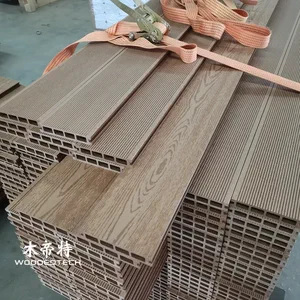
Related Products
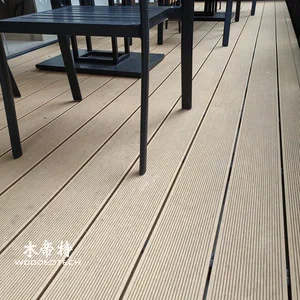
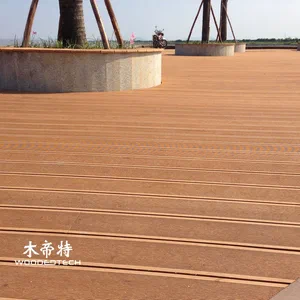
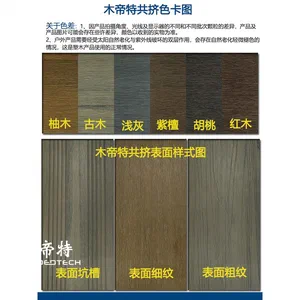
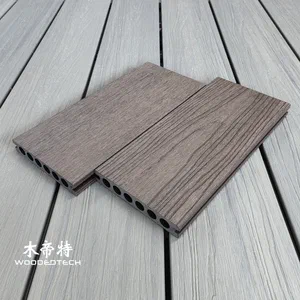 3DGD13823 Second Generation 3D Embossed Rosewood Composite Balcony Decking Delivers Ultra Realistic Wood Grain Texture and a Premium Natural Wood Experience
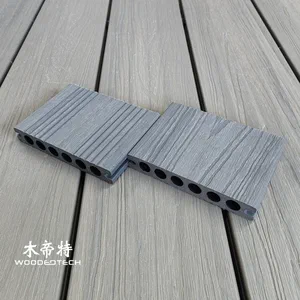 GD13823-3 Light Grey Premium Co Extrusion WPC Composite Decking Offers LG Texture and Excellent UV Resistance for Outdoor Spaces
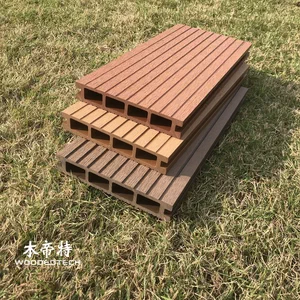 D14025-3 Square Hole Double Sided Grooved WPC Board Factory Producing Outdoor Decking Boards With Good Slip Resistance