
Heat-Resistant Composite Decking That Stays Cool in Hot Weather
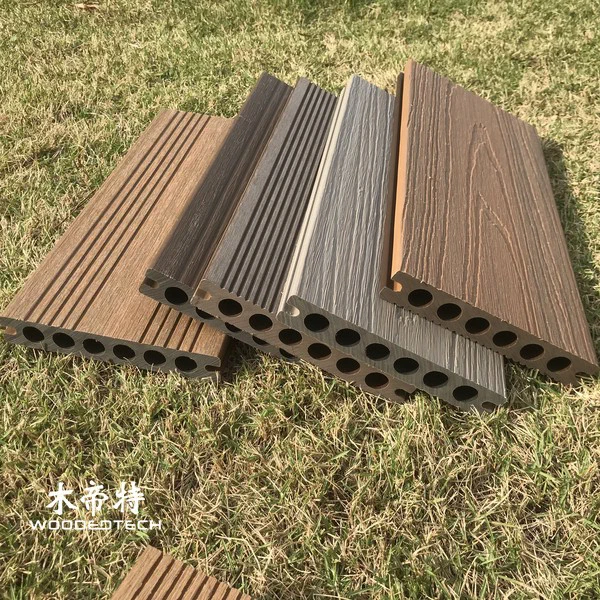
Hot weather is a real test for outdoor flooring, especially on commercial terraces, resort walkways, and poolside projects. Heat-resistant composite decking helps reduce surface temperature, resist fading, and maintain stable performance where traditional wood decking can become uncomfortable and high-maintenance.
Why heat resistance matters
For B2B buyers, the issue is not only comfort. In hot climates, decking must handle strong UV exposure, frequent thermal expansion, and long service cycles without warping or splintering. A well-made composite deck board combines wood fiber and polymer to improve dimensional stability while keeping the surface more consistent than many natural timber options.
Cooling performance depends on several factors:
- Surface color: lighter shades usually absorb less heat
- Board structure: capped and co-extrusion layers improve weather protection
- Finish texture: certain textures can reduce glare and help heat dissipate more evenly
- Installation design: ventilation beneath the deck supports better airflow
What to look for in a commercial deck
Not every composite decking product performs the same in direct sun. Buyers should ask for material data, UV resistance details, and project references in similar climates. For hospitality, retail, and public-use spaces, the best choice is often a capped composite decking board that balances heat control with durability, stain resistance, and low upkeep.

- UV resistance and color stability
- Slip resistance for wet areas
- Heat expansion values
- Moisture and stain performance
- Warranty terms for outdoor commercial use
Best applications in hot regions
Heat-resistant composite decking fits projects where barefoot comfort and long-term appearance both matter. It is widely used for hotel decks, rooftop terraces, café platforms, resort boardwalks, and pool surrounds. For these environments, product consistency is essential because buyers often need matching quantities for phased construction or multiple sites.
Compared with wood, composite decking reduces the risk of cracking, repainting, and frequent replacement. Compared with cheap plastic surfaces, it offers a more stable look and a more professional finish, which is important when the outdoor space is part of the customer experience.
Sourcing for projects
For importers, contractors, and distributors, supply reliability matters as much as product performance. Look for manufacturers that can support bulk orders, custom colors, and consistent profiles across production runs. A dependable supplier should also provide installation guidance and technical support so the final deck performs as expected in hot weather.
FAQ
Q: Does composite decking get hot in the sun? A: Yes, like most outdoor materials, it can warm up under direct sun. Lighter colors, capped surfaces, and good airflow can help improve comfort.
Q: Is composite decking better than wood for hot climates? A: In many cases, yes. Composite decking is generally more stable, easier to maintain, and less prone to splintering or warping than wood.
Q: Can heat-resistant composite decking be used near pools? A: Yes, if the product has suitable slip resistance and moisture performance. It is a common choice for pool decks and resort areas.
Related Articles
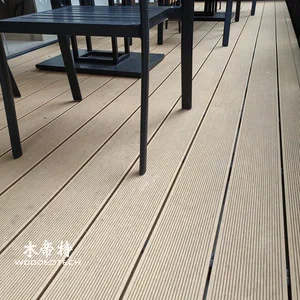
Related Products
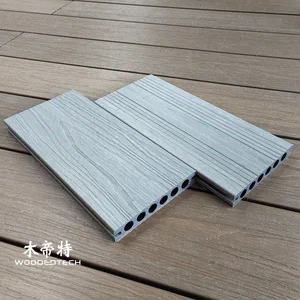 Antique Wood GD13823-3 Co Extruded Composite Wood Decking Boards with Round Holes Are Available in Stock in 3 Meter Lengths Year Round
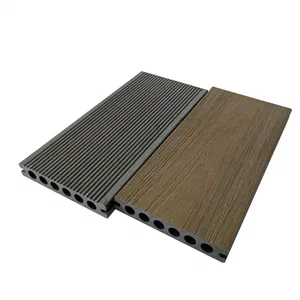 GD14023 Composite Decking Versus Wood Decking Features a Round Hole Structure with Semi Capped Co Extrusion
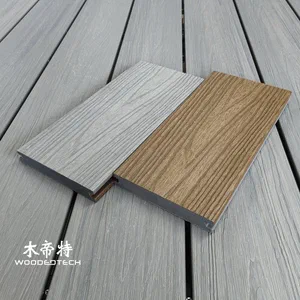 Second Generation Two Color Co Extruded 3D Embossed 3DGD14023S Composite Wood Deck Boards Feature an Extremely Realistic Antique Wood and Teak Grain Texture