
HDPE Composite Lumber Offers Strong and Durable Material Solutions for Outdoor Construction Projects

Outdoor WPC (Wood Plastic Composite) products, particularly those made from HDPE (High-Density Polyethylene) or PVC (Polyvinyl Chloride), are increasingly popular in construction due to their durability and weather resistance. The blend of wood powder, polymers, additives, pigments, and modifiers directly influences these characteristics, making them essential components in the manufacturing process.
Key Components and Their Impact
Wood powder serves as the basis for WPC, providing a natural appearance while enhancing strength. The type and quality of wood powder significantly affect the composite’s overall performance. Fine wood powders lead to smoother finishes and better bonding with polymers, while coarser powders may enhance texture but can also introduce weaknesses if not balanced correctly.
HDPE and PVC polymers are crucial in providing the structural integrity and flexibility of WPC products. HDPE, known for its high tensile strength, offers excellent resistance to moisture and impact, making it ideal for outdoor use. PVC, while generally less flexible than HDPE, can be modified to enhance its weather resistance and UV stability. The choice between these polymers often depends on the specific application and required performance metrics.
Additives play a significant role in optimizing the properties of WPC. For example, lubricants can improve the manufacturing process by easing the flow of materials during extrusion, while antioxidants can enhance the longevity of the product by preventing degradation from environmental exposure. Additionally, fire retardants are critical for ensuring safety standards, especially in commercial applications.
Pigments and colorants not only improve aesthetics but also contribute to UV resistance. High-quality pigments help maintain color stability over time, preventing fading and discoloration. When selecting pigments, it’s essential to ensure they are compatible with the polymer matrix to avoid adverse reactions that could compromise the composite’s integrity.
Modifiers, such as impact modifiers and coupling agents, can further enhance durability. Impact modifiers improve resistance to physical stress, which is particularly beneficial in high-traffic areas. Coupling agents enhance the bond between the wood and polymer components, improving overall strength and reducing the likelihood of warping or splitting.
Factory Inspection Methods and Quality Standards
In our factory, stringent quality control measures are essential to ensure the production of high-quality WPC products. Regular inspections include:
Raw Material Testing: We conduct thorough testing of wood powders and polymers to ensure they meet specified standards for size, moisture content, and purity.
Extrusion Process Monitoring: Continuous monitoring of the extrusion process helps maintain consistent material flow and temperature, critical for achieving optimal bonding and performance.
Mechanical Testing: Finished products undergo various mechanical tests, including tensile strength, impact resistance, and flexural tests, to confirm they meet industry standards.
Environmental Resistance Testing: Products are subjected to accelerated weathering tests to assess their durability against UV exposure, moisture absorption, and temperature fluctuations.
By adhering to these inspection methods and quality standards, we ensure that our outdoor WPC products deliver exceptional performance and longevity, suitable for various applications in construction projects.

FAQ
Q: What are the main benefits of using HDPE in WPC products?
A: HDPE provides high tensile strength, excellent moisture resistance, and impact durability, making it ideal for outdoor applications.
Q: How do additives enhance the performance of WPC?
A: Additives improve processing efficiency, increase resistance to environmental degradation, and enhance the overall durability of the composite.
Q: What testing methods are used to ensure WPC quality?
A: We utilize raw material testing, extrusion monitoring, mechanical testing, and environmental resistance evaluations to ensure product quality.
Related Articles
 WPC Flooring Provides Durable Outdoor Surface Solutions for Residential and Commercial Applications
 4.8 Meter Composite Decking Boards Provide Long Board Options for Professional Outdoor Installations
 5m Long Composite Decking Boards Reduce Installation Joints for Spacious Outdoor Deck Areas
 Composite Deck Dimensions Help Buyers Choose Suitable Board Sizes for Different Outdoor Flooring Projects
Related Products
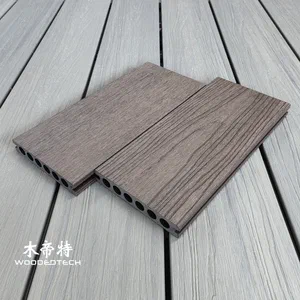 3DGD13823 Second Generation 3D Embossed Rosewood Composite Balcony Decking Delivers Ultra Realistic Wood Grain Texture and a Premium Natural Wood Experience
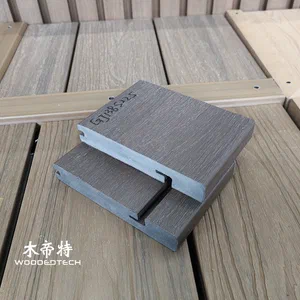 GD13822.5S Fully Capped Solid Starter Wood Polymer Composite Decking Provides a Stable Starting Structure for the First Decking Board
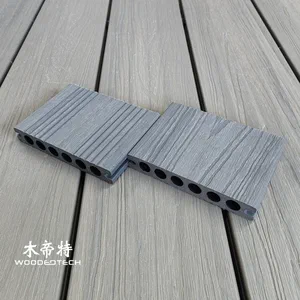 GD13823-3 Light Grey Premium Co Extrusion WPC Composite Decking Offers LG Texture and Excellent UV Resistance for Outdoor Spaces