
Geometric 3D Wall Panels: Innovative Interior Architecture & Design
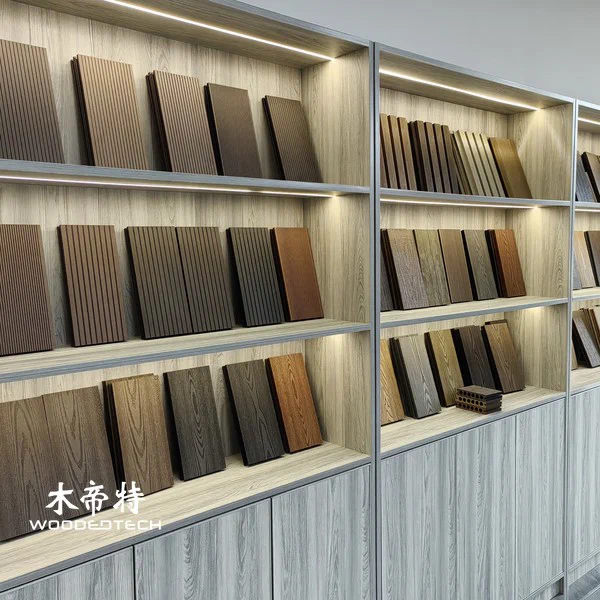
Geometric 3D wall panels are a practical way to bring depth, texture, and brand impact into commercial interiors. For offices, showrooms, hospitality spaces, and retail environments, they create a modern architectural surface that looks refined while remaining efficient to install and maintain.
Why Geometric 3D Panels Work in B2B Spaces
Unlike flat finishes, geometric 3D wall panels add shadow, rhythm, and visual structure to a room. That makes them useful for feature walls, reception areas, meeting rooms, and public-facing spaces where first impressions matter. They help designers turn plain walls into part of the brand experience without relying on expensive custom fabrication.
From a procurement perspective, these panels are also attractive because they are consistent, repeatable, and scalable. In commercial projects, that matters as much as appearance. Project teams need materials that can be specified across multiple locations with predictable results, stable lead times, and straightforward installation.
Material Performance and Design Value
Many buyers now look for products that balance aesthetics with durability. Modern geometric panels are often made from wood plastic composite or similar exterior-grade materials, offering moisture resistance, dimensional stability, and low maintenance. For interior architecture teams, that makes them suitable for long service cycles in demanding environments.
The design flexibility is another advantage. Panels can be used in linear, fluted, faceted, or abstract geometric patterns to match different concepts, from corporate minimalism to premium hospitality interiors. Coordinating the wall finish with lighting, signage, and furniture helps reinforce the overall identity of the space.

Where They Fit Best
- Corporate lobbies and reception walls
- Hotel corridors and guest-facing areas
- Retail display backdrops
- Conference rooms and executive spaces
- Restaurant and café interiors
Specifying Panels for Projects
When sourcing for a commercial project, buyers should evaluate panel dimensions, surface texture, fire performance requirements, and installation method. It is also important to confirm color consistency across batches, especially for larger orders or phased rollouts. For international buyers, working with a supplier that understands export packaging and project documentation can reduce risk during procurement.
Geometric 3D wall panels are most effective when they are part of a coordinated interior system, not a standalone decorative feature. Used well, they support acoustic comfort, visual zoning, and brand storytelling while keeping the space clean and professional.
FAQ
Q: Are geometric 3D wall panels suitable for commercial interiors? A: Yes. They are widely used in offices, hotels, retail spaces, and hospitality projects because they combine strong visual impact with practical performance.
Q: What materials are commonly used for 3D wall panels? A: Common options include wood plastic composite, PVC-based products, and other engineered decorative wall materials. The best choice depends on the project environment and performance needs.
Q: Can these panels be customized for bulk orders? A: Yes. Many manufacturers offer custom sizes, finishes, and patterns for project-based procurement and branded interior applications.
Related Articles
Related Products
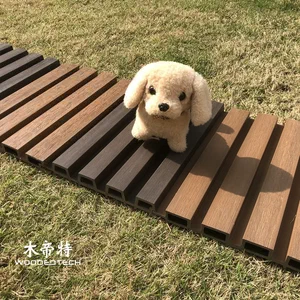
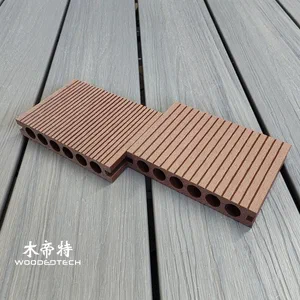 D14025-5 First Generation Large And Small Groove Redwood Color WPC Panel Material With Popular Outdoor Appearance
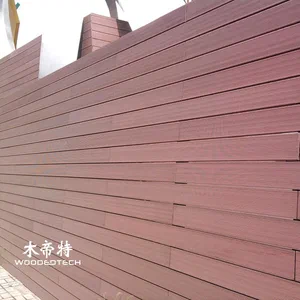
 B14011 WPC Paneling Sheets Feature Double Flat Surfaces with Heat Pressed Wood Grain Designs for Outdoor Styles
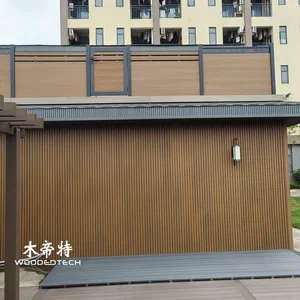
 B17010 Plastic Wood Look Siding Provides Decorative Thin Boards for Modern Outdoor Wall Applications