
Gazebo Composite Solutions: Material Selection and Performance for Industrial Applications
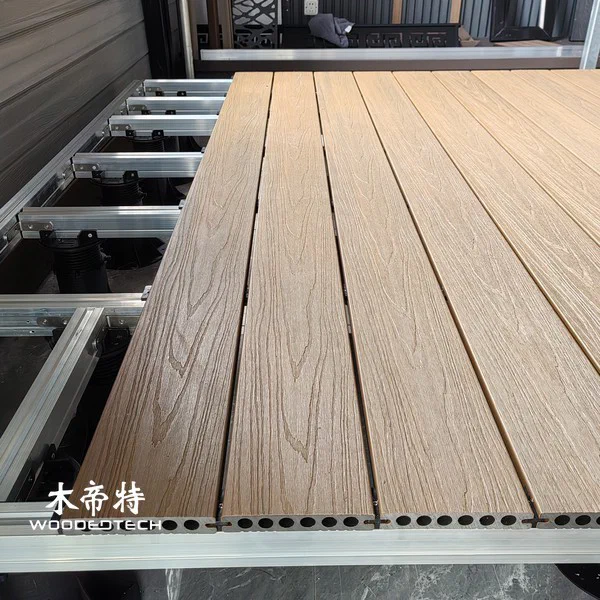
Gazebo composite solutions offer a practical balance of weather resistance, appearance, maintenance, and long-term operating costs for industrial and commercial outdoor spaces. Compared with natural wood, traditional timber, aluminum, and other exterior materials, wood plastic composite (WPC) provides a versatile option for gazebos in resorts, factories, public parks, hospitality venues, and commercial landscapes.
Comparing Materials for Industrial Gazebo Applications
Material selection should reflect the site’s climate, expected service life, structural requirements, maintenance budget, and visual standards. Natural wood offers an authentic grain and warm appearance, making it suitable for premium landscape projects. However, it can absorb moisture, develop cracks, attract insects, and deteriorate under prolonged UV exposure. Pressure-treated timber improves resistance to decay, but it still requires periodic inspection, sealing, staining, or repainting. These recurring tasks can increase maintenance costs across large installations.
WPC combines wood fibers or wood flour with thermoplastics and additives to create an exterior material that resembles timber. It generally offers better resistance to moisture, rot, and insects than untreated wood, while requiring less routine maintenance. Depending on the formulation and surface treatment, WPC can also provide good color stability and slip resistance. However, quality varies by manufacturer, and prolonged heat exposure, thermal expansion, surface fading, or moisture-related damage can occur if the product is poorly specified or installed incorrectly.
Aluminum is another strong candidate for industrial gazebos, particularly where lightweight construction, corrosion resistance, and dimensional stability are priorities. It requires little routine maintenance and can support durable structural frameworks. Its limitations include heat transfer, potential surface scratching, and a less natural appearance. Initial material and fabrication costs may also be higher for customized designs. Steel can provide high structural strength for large-span gazebos, but protective coatings and corrosion control are essential, especially in coastal or chemically aggressive environments.
Other options include PVC and natural stone. PVC is lightweight, moisture-resistant, and easy to clean, but its stiffness, heat performance, appearance, and load-bearing suitability depend on the product. Natural stone provides excellent durability for columns, paving, and foundations, although its weight, installation requirements, and upfront costs make it less suitable for lightweight overhead structures.

Maintenance Requirements and Lifecycle Costs
Initial purchase price alone rarely reflects the true cost of an industrial gazebo. A lifecycle assessment should account for material procurement, structural supports, installation, cleaning, inspections, repairs, replacement intervals, and disposal or recycling.
- Natural wood and traditional timber: Often moderate initial costs, with recurring expenses for protective coatings, repairs, and replacement of weather-damaged components.
- WPC: Moderate initial costs in many applications, with routine cleaning and periodic inspections generally replacing frequent staining or painting.
- Aluminum: Potentially higher initial fabrication costs, but low maintenance requirements and long service life can improve long-term value.
- Steel: Strong structural performance, with lifecycle costs influenced by coating systems, corrosion exposure, and inspection frequency.
- PVC: Low-maintenance surfaces, although product quality, heat resistance, and replacement frequency can affect total ownership costs.
- Natural stone: High transportation and installation costs, offset by long service life in appropriate applications.
Actual costs depend on local labor rates, material grades, climate, design complexity, and warranty conditions. Project teams should compare alternatives over the same evaluation period rather than assuming that one material always delivers the lowest total cost.
Selecting WPC for Industrial Gazebos
For commercial projects, specify WPC components according to their intended function. Decking, decorative cladding, louvers, privacy screens, and railings may benefit from composite materials, while primary beams, columns, foundations, and connections must be engineered for applicable structural loads. WPC should not automatically be treated as a substitute for structural timber or metal framing.
Request technical data covering load capacity where applicable, water absorption, UV resistance, slip resistance, fire performance, thermal expansion, and installation clearances. Co-extruded WPC may offer an additional protective surface layer, depending on the product design. Confirm that testing and certifications match the intended application and local building codes.
For buyers managing multiple sites, a consistent specification and reliable wholesale supply can simplify procurement, color matching, maintenance planning, and replacement-part management. The most suitable gazebo composite solution is the one that meets performance requirements while controlling maintenance and replacement costs throughout its expected service life.
FAQ
Q: Is WPC better than natural wood for industrial gazebos?
A: WPC generally requires less maintenance and offers better resistance to rot and insects. Natural wood may be preferable when authentic timber appearance or specific structural properties are priorities.
Q: Does an aluminum gazebo cost less over its service life than a WPC gazebo?
A: Either option may deliver better lifecycle value depending on structural design, fabrication costs, climate, and replacement requirements. Compare installation and maintenance costs over the same service period.
Q: Can WPC be used for the entire gazebo structure?
A: WPC is commonly used for decking, cladding, screens, and other exterior components. Primary structural members should use materials and systems specifically engineered and approved for the required loads.
Related Articles

Related Products
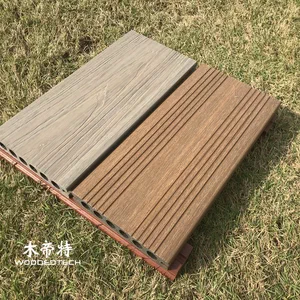 GD13823-3 Second Generation Co Extruded Wood Plastic Composites With High Quality Stable Performance For Premium Outdoor Applications
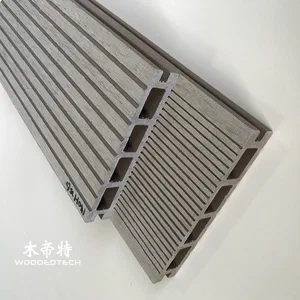 D14025-3 Composite Lumber for Decks Features a Classic Double Sided Groove Design with Excellent Value for Outdoor Projects
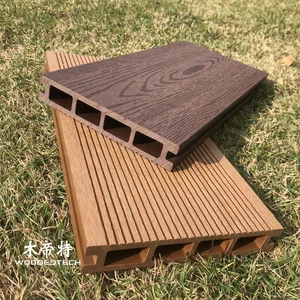 D14025-4 Composite for Decking Provides Stable Performance and Reliable Quality as a Popular Choice for Outdoor Projects