
Fusion WPC Flooring: Advanced Engineering Wood Plastic Composite
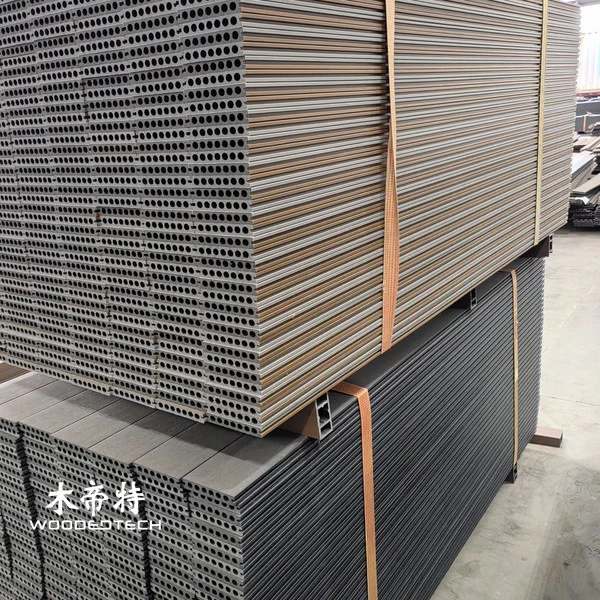
Fusion WPC flooring is a wood plastic composite engineered for stable performance, attractive finish, and lower maintenance in demanding commercial projects. It is designed for buyers who need a flooring solution that balances appearance, durability, and supply consistency across large-volume applications.
What Fusion WPC Flooring Is
Fusion WPC flooring combines wood fibers and polymer materials through controlled extrusion, creating a surface that is more dimensionally stable than many natural timber products. For industrial buyers, that means fewer concerns about swelling, warping, and routine refinishing in humid or high-traffic environments.

Engineering Advantages for B2B Projects
The real value of Fusion WPC flooring comes from the way it is manufactured. Consistent compounding and extrusion help deliver repeatable quality, which matters when a project requires matching batches, predictable load performance, and uniform surface appearance.
Typical advantages include:
- Moisture resistance for more stable use in variable environments
- Good wear performance for high-traffic commercial floors
- Low maintenance compared with painted or sealed wood surfaces
- Design flexibility for different colors, embossing, and finishes
- Better supply control for OEM, wholesale, and project-based procurement
Because WPC is engineered rather than cut from solid timber, buyers can also standardize specifications more easily across multi-site projects.
Why Buyers Choose It Over Traditional Wood
For many procurement teams, the comparison is not only about appearance. It is about lifecycle cost, replacement frequency, and installation efficiency. Fusion WPC flooring reduces the need for frequent sanding, staining, and surface treatment, which lowers long-term labor demands.
It also supports more predictable planning in projects where weather exposure, cleaning cycles, and occupancy levels are hard to control. That is especially useful for developers, contractors, and distributors looking for a product that performs consistently without the variability often seen in natural wood.
Sourcing Considerations
When evaluating a supplier, ask about raw material ratio, density, slip resistance, color retention, and testing standards. Buyers should also confirm profile dimensions, packaging method, and lead time, especially for export orders and private label programs.
A reliable wood plastic composite partner can support custom colors, project-specific profiles, and bulk delivery schedules. For B2B buyers, that combination is often more important than the lowest unit price.
FAQ
Q: Is Fusion WPC flooring suitable for commercial use? A: Yes. It is designed for stable performance in retail, hospitality, office, and light industrial environments where durability matters.
Q: Does WPC flooring need a lot of maintenance? A: No. It usually only needs routine cleaning, with no sanding, sealing, or staining like traditional wood.
Q: Can Fusion WPC flooring be customized for projects? A: Yes. Many suppliers offer custom colors, surface textures, and profile specifications for OEM and wholesale orders.
Related Articles
Related Products
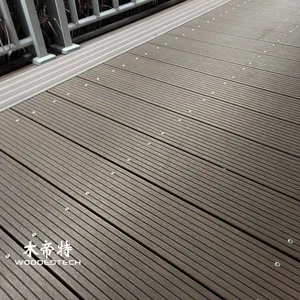
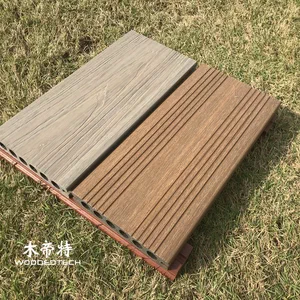 GD13823-3 Second Generation Co Extruded Wood Plastic Composites With High Quality Stable Performance For Premium Outdoor Applications
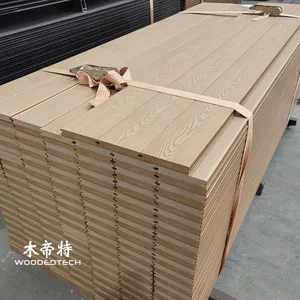
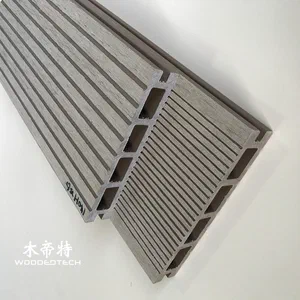 D14025-3 Composite Lumber for Decks Features a Classic Double Sided Groove Design with Excellent Value for Outdoor Projects
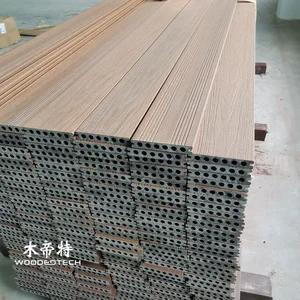
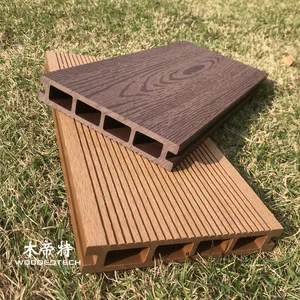 D14025-4 Composite for Decking Provides Stable Performance and Reliable Quality as a Popular Choice for Outdoor Projects