
Free Composite Deck Estimate Calculator: Materials & Project Costing
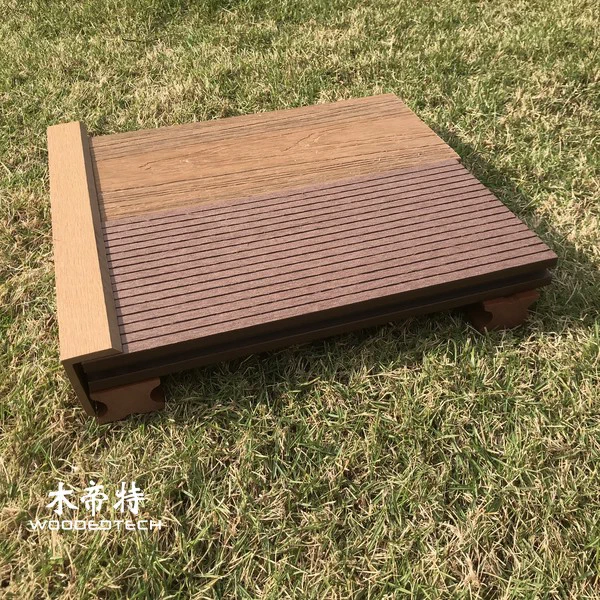
A free composite deck estimate calculator helps buyers, contractors, and distributors turn rough project ideas into usable numbers fast. It gives a practical starting point for materials, labor, and total project cost so teams can compare options before requesting formal quotes.
What the calculator should cover
For B2B deck projects, a useful estimate tool should calculate more than square footage. It should account for composite decking boards, joists, fasteners, trims, railing, stairs, and waste allowance, because each item affects procurement and margin.
A solid calculator also separates material grades and finish types. Capped boards, solid profiles, and embossed surfaces usually carry different price points, and buyers need to see how product selection changes the final budget. For wholesalers and project buyers, that makes it easier to evaluate standard stock against custom specifications.
How to build a reliable estimate
Start with the deck size, then layer in the components that are commonly missed in early quotes. Labor can be calculated separately or as a percentage of material cost, depending on whether the project is a supply-only order or a full installation package.
Useful inputs include:
- deck length and width
- board coverage rate
- joist spacing
- railing length
- stair count
- waste factor
- unit price per board or square meter
Once these values are entered, the calculator should generate a material subtotal, an installation estimate, and a projected total. For international buyers, it is also helpful to support multiple currencies and show pricing by container, pallet, or project package.

Why it matters for industrial buyers
A free estimate calculator improves quoting speed and reduces back-and-forth during procurement. Distributors can use it to compare product lines, while contractors can align budgets with client expectations before placing orders.
It also supports better inventory planning. When buyers know approximate board counts, accessory quantities, and project size, they can reduce over-ordering and avoid delays caused by missing components. That is especially important for commercial jobs, property developments, and repeat municipal or hospitality projects.
For manufacturers and exporters, the calculator can be a lead-generation tool as well. When paired with product data, it helps buyers move from early research to a quotation request with clearer requirements and fewer revisions.
Getting the most accurate result
Accuracy depends on current material pricing and clear project assumptions. Users should update unit rates regularly, confirm board dimensions, and define whether the estimate includes substructure, delivery, tax, or installation. A good calculator is not a final quote, but it should be close enough to support buying decisions and early budget approval.
FAQ
Q: What does a composite deck estimate calculator usually include? A: It typically includes deck boards, framing, fasteners, trims, railing, stairs, waste allowance, and labor. Some versions also factor in delivery and tax.
Q: Is a free calculator accurate enough for purchasing? A: It is accurate for budgeting and comparison, but final pricing should still be confirmed with live material rates and project drawings. It works best as an early-stage estimate tool.
Q: Who uses composite deck cost calculators? A: Contractors, distributors, project buyers, and manufacturers use them to speed up quoting and planning. They are especially useful for commercial and bulk procurement projects.
Related Articles


Related Products
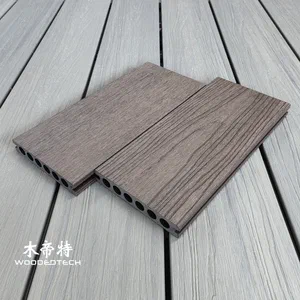 3DGD13823 Second Generation 3D Embossed Rosewood Composite Balcony Decking Delivers Ultra Realistic Wood Grain Texture and a Premium Natural Wood Experience
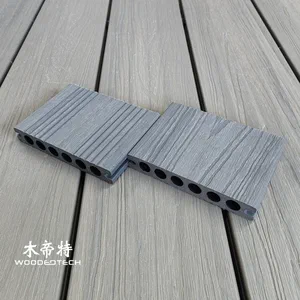 GD13823-3 Light Grey Premium Co Extrusion WPC Composite Decking Offers LG Texture and Excellent UV Resistance for Outdoor Spaces
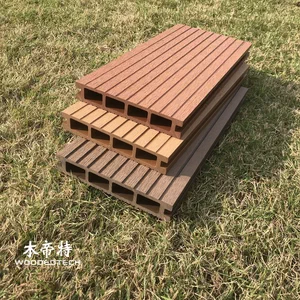 D14025-3 Square Hole Double Sided Grooved WPC Board Factory Producing Outdoor Decking Boards With Good Slip Resistance