
Framing for Composite Decking to Build Stable and Long Lasting Outdoor Decks
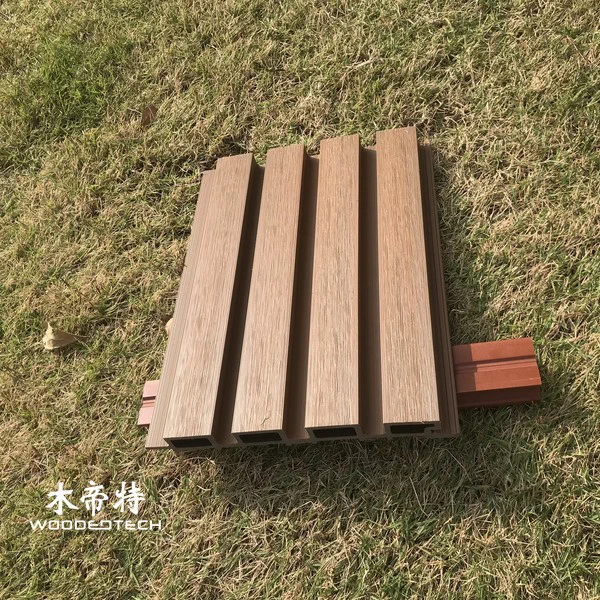
Framing for composite decking is the foundation of a stable, long-lasting outdoor deck. The right substructure controls spacing, load support, drainage, and thermal movement, which directly affects performance in commercial and residential projects.
Why framing matters for composite decking
Composite decking boards are more dimensionally stable than natural wood, but they still rely on precise framing. If joists are uneven, over-spaced, or poorly ventilated, the surface can feel soft, hold water, or develop premature fastener problems. For B2B buyers, contractors, and distributors, this means framing quality is just as important as board quality.
A proper frame also improves installation speed and reduces callbacks. When the structure is designed for the product, installers can maintain clean board lines, consistent gaps, and reliable fastening across long spans. That is especially important on high-traffic decks, hospitality terraces, and multi-unit outdoor spaces where failure is costly.
Best practices for stable deck structures
For most composite decking systems, joist spacing should follow the board manufacturer’s guidance. Many solid-profile boards use tighter spacing than wood, especially on stair treads, picture-frame borders, and areas with heavy foot traffic. Level framing, accurate slope for drainage, and corrosion-resistant fasteners all help protect the deck from movement and moisture-related damage.
Key framing points include:
- Use pressure-treated lumber, galvanized steel, or aluminum framing where appropriate
- Keep joists straight, level, and properly anchored
- Allow airflow under the deck to reduce trapped moisture
- Add blocking where extra rigidity is needed
- Confirm spacing for board thickness, hidden clips, and load conditions
Composite deck framing should also account for expansion and contraction. Boards need room to move with temperature changes, so perimeter details, butt joints, and fastening patterns must be planned carefully. Ignoring thermal movement can lead to buckling, gapping, or fastener stress.

Materials and project considerations
The best framing material depends on project scale, climate, and budget. Wood framing is common and cost-effective, but aluminum systems offer excellent consistency for large commercial builds. In coastal or humid environments, choosing moisture-resistant framing components can significantly extend service life.
For OEMs, importers, and builders sourcing composite decking materials, the framing package should match the decking grade. A premium capped board with poor substructure will still fail early, while a well-designed frame helps even mid-range products deliver dependable results. This is why professional buyers evaluate the decking system as a whole, not just the surface board.
Installation planning for long service life
A durable deck starts with layout discipline. Set accurate joist centers, verify drainage before board installation, and use compatible clips, trims, and edge details. On larger projects, it is worth documenting framing standards so crews can repeat the same method across multiple sites.
When the frame is designed correctly, composite decking performs as intended: low maintenance, stable under load, and visually consistent over time. That makes framing one of the most important decisions in any outdoor deck specification.
FAQ
Q: What joist spacing is used for composite decking? A: It depends on the board profile and manufacturer, but many composite systems require tighter spacing than traditional wood decking. Always check the installation guide before building.
Q: Can composite decking be installed on a wood frame? A: Yes, if the frame is straight, structurally sound, and properly treated for outdoor use. The framing must still meet the decking manufacturer’s spacing and fastening requirements.
Q: Why does composite decking need ventilation under the deck? A: Ventilation helps reduce trapped moisture and heat buildup, which improves deck durability. It also supports better long-term performance of both the boards and the framing.
Related Articles
Related Products
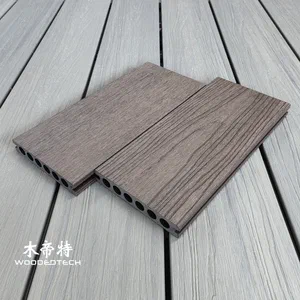 3DGD13823 Second Generation 3D Embossed Rosewood Composite Balcony Decking Delivers Ultra Realistic Wood Grain Texture and a Premium Natural Wood Experience
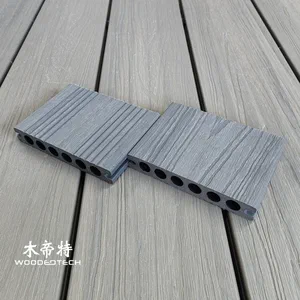 GD13823-3 Light Grey Premium Co Extrusion WPC Composite Decking Offers LG Texture and Excellent UV Resistance for Outdoor Spaces
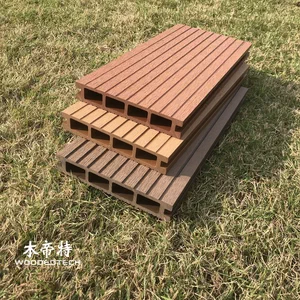 D14025-3 Square Hole Double Sided Grooved WPC Board Factory Producing Outdoor Decking Boards With Good Slip Resistance