Fluted Wpc Panel For Beginners
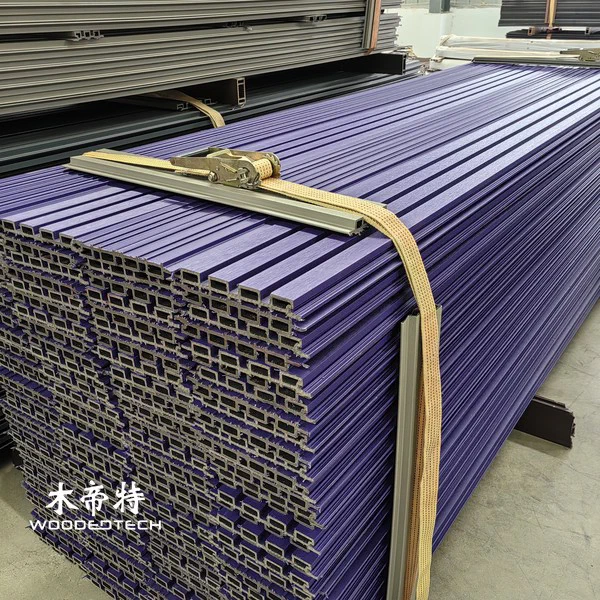
Fluted WPC panel is a practical wall and ceiling cladding material made from wood-plastic composite, designed to deliver a clean decorative look with better moisture resistance than traditional wood. For beginners in sourcing, specifying, or importing building materials, it offers a useful balance of appearance, durability, and installation efficiency.
What Is a Fluted WPC Panel?
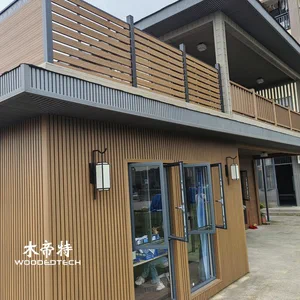
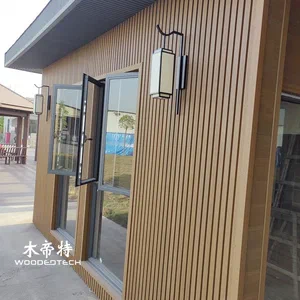
A fluted WPC panel is a decorative panel with linear grooves or ribs on the surface. WPC stands for wood-plastic composite, a material typically made from wood fiber, polymer resin, and functional additives. The fluted design gives walls depth and texture, while the composite structure helps improve resistance to moisture, cracking, and everyday wear.
In commercial projects, these panels are often used for interior feature walls, reception areas, retail spaces, hospitality interiors, office corridors, and other spaces where appearance and practical maintenance both matter. Some product lines are designed for indoor use only, while others can handle covered semi-outdoor applications depending on their formulation.
For beginners, the key point is simple: a fluted WPC panel is not solid wood and not pure plastic. It is a engineered material that aims to combine the visual warmth of wood with the stability and lower maintenance of polymer-based products.
Why Buyers Choose WPC Panels
WPC panels have become popular in B2B purchasing because they solve several common problems found with natural wood and some PVC products.

- Moisture resistance: WPC handles humidity better than many wood-based materials
- Stable appearance: it is less likely to warp, split, or swell in normal conditions
- Easy maintenance: routine cleaning usually requires only a soft cloth and mild detergent
- Consistent supply: factory-made panels offer repeatable color and surface quality
- Faster installation: modular formats reduce labor time on site
- Design flexibility: fluted profiles, woodgrain finishes, and modern colors support different project styles
For project buyers, these advantages matter because they reduce maintenance complaints, lower replacement risk, and simplify procurement across multiple sites.
Typical Product Structure
Although product formulas vary by manufacturer, most fluted WPC panels share a similar construction concept. The base material combines wood flour or fiber with thermoplastic polymers such as PVC, PE, or PP, along with additives that improve UV stability, color retention, processing, and flame resistance where required.
Common characteristics include:
- Surface: embossed, matte, woodgrain, or smooth decorative finish
- Core: composite body with internal strength and dimensional stability
- Profile: linear fluted or ribbed face for visual depth
- Installation method: hidden clips, screws, adhesive systems, or tongue-and-groove structures depending on design
Buyers should not assume all WPC panels are identical. The resin type, fiber ratio, extrusion quality, and additives all influence performance, cost, and application suitability.
Where Fluted WPC Panels Are Used
Fluted panels are selected mainly for decorative interior applications, but the market has expanded into many commercial spaces.
Common use cases include:
- Hotel lobbies and guest corridors
- Office feature walls and meeting rooms
- Retail stores and showroom interiors
- Restaurant walls and bar fronts
- Residential apartment common areas
- Display backgrounds and branded spaces
- Ceiling details and column wrapping in some projects
Because the profile adds rhythm and shadow lines, fluted WPC panels are often used to create a premium look without relying on expensive natural materials. This makes them especially attractive for chain projects, commercial renovations, and export-oriented fit-out programs.
Key Benefits for B2B Buyers
When evaluating fluted WPC panel products, industrial and wholesale buyers usually care about performance, consistency, and total project value. The following benefits are the main reasons the category has grown.
First, the material is relatively easy to process and install. That helps contractors reduce labor time and makes bulk projects easier to schedule. Second, the panels offer a stable decorative effect across batches, which is important when a project needs matching colors and profiles from one site to the next.
Third, the product can support branding and design requirements. Many suppliers offer customizable widths, lengths, colors, and surface textures. Some also provide fire-rated or enhanced-performance versions for specific market requirements.
Finally, WPC panels can be more cost-efficient than some natural materials over the full life cycle. Lower maintenance, fewer replacements, and simpler cleaning can offset the initial purchase price in commercial environments.
What to Check Before Sourcing
Beginners often focus only on appearance and price, but successful sourcing requires a broader checklist. Before placing an order, ask for technical data and sample confirmation.
- Material composition: confirm the resin type and fiber ratio
- Surface finish: check color consistency, texture, and scratch visibility
- Dimensions: verify width, thickness, length, and tolerance
- Weight: important for shipping cost and installation handling
- Performance data: moisture resistance, dimensional stability, fire rating, and UV behavior if relevant
- Installation system: clips, tongue-and-groove, adhesive compatibility, or screw fixing
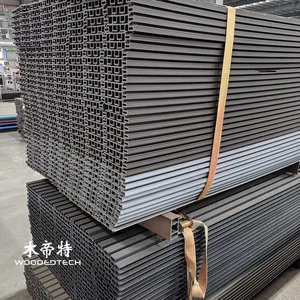
- Packaging: carton strength, palletization, and protection for export
- MOQ and lead time: essential for project planning and inventory control
If you are buying for export or large construction supply, request samples from the exact production line or color batch whenever possible. A small sample in a showroom can look different from a full production run under real lighting.
Installation and Maintenance Basics
Fluted WPC panel installation is usually straightforward, but proper substrate preparation is still important. The wall or ceiling surface should be flat, dry, and structurally sound. Most systems require a support framework or direct fixing method based on the panel type and project condition.
A few practical points help ensure better results:
- Allow material acclimation before installation if the supplier recommends it
- Keep expansion gaps where required by the system design
- Use the correct fasteners or adhesive specified for the substrate
- Follow the manufacturer’s fixing direction to maintain visual alignment
- Avoid installing on damp or unstable surfaces
Maintenance is normally simple. Regular dusting and occasional wiping with a soft damp cloth are usually enough. Harsh solvents, abrasive pads, and aggressive cleaning tools should be avoided unless approved by the manufacturer.
Common Buying Mistakes to Avoid
Many first-time buyers make similar mistakes when sourcing fluted WPC panel products. Avoiding these issues can save time and reduce claims.
One common mistake is comparing only price per piece instead of price per square meter, packing efficiency, and installation cost. Another is ignoring the profile depth, which affects the final visual effect and how shadows appear under lighting. Some buyers also overlook accessory compatibility, which can cause delays during installation.
It is also risky to assume that all products marketed as WPC have the same performance. A low-cost panel may look similar in photos but differ significantly in density, durability, and color stability. For industrial procurement, product specifications matter more than catalog images.
How to Evaluate a Supplier
A reliable supplier should be able to provide product details, test information, and production support. For B2B buyers, the supplier relationship is often as important as the product itself.
Look for:
- Clear technical specifications and drawings
- Export experience with packaging and documentation
- Stable production capacity for repeat orders
- Sample support and color matching
- Quality control procedures during extrusion and finishing
- Responsive communication on customization and delivery
If you are sourcing for distribution or project supply, ask whether the supplier can maintain consistency across multiple orders. Matching future batches is especially important for chain retail, hospitality, and renovation projects.
FAQ
Q: Is fluted WPC panel suitable for bathrooms? A: It can be used in humid areas if the product is designed for moisture exposure and installed correctly, but it should not be treated as waterproof unless the supplier confirms that performance.
Q: Can fluted WPC panel replace natural wood paneling? A: In many decorative applications, yes. It offers a similar visual effect with better resistance to moisture and lower maintenance, though it does not fully replicate the texture or character of solid wood.
Q: Is fluted WPC panel easy to install? A: Most systems are designed for efficient installation, especially in commercial projects, but the exact method depends on the panel profile and substrate.
Q: What should I request from a supplier before bulk ordering? A: Ask for technical specifications, samples, installation guidance, packing details, and test reports for the performance standards relevant to your market.
Q: Does fluted WPC panel work for export projects? A: Yes, it is widely used in export-oriented construction and interior supply, provided the product meets the target market’s requirements for size, finish, and performance.