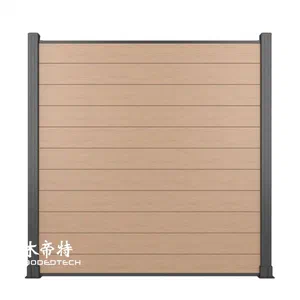
Fluted Wpc Panel Buying Guide
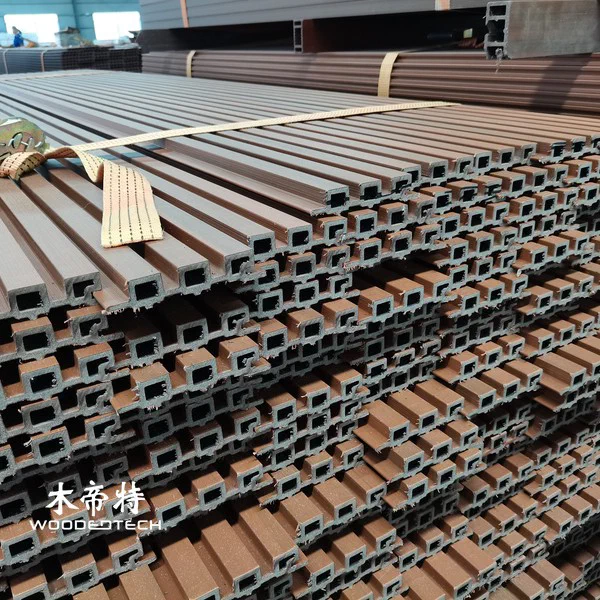
Fluted WPC panels are a popular choice for commercial interiors, exterior cladding, and decorative wall systems because they combine the look of wood with the durability of composite materials. For B2B buyers, the right purchase depends on more than appearance: performance, certification, supply consistency, and installation efficiency all matter.
What Fluted WPC Panel Is
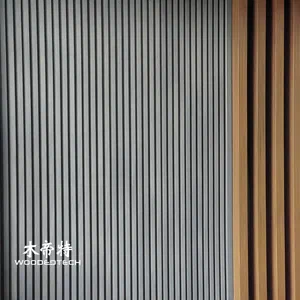
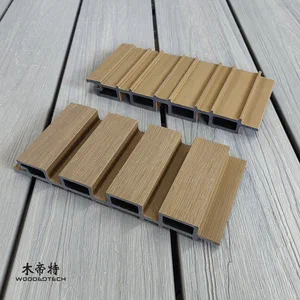
A fluted WPC panel is a decorative wall panel made from wood-plastic composite materials, usually a blend of wood fiber, polymer resin, and additives. The fluted profile creates a linear groove pattern that adds depth and texture, making it suitable for modern architectural finishes in offices, hotels, retail stores, showrooms, and public spaces.
Compared with solid wood, fluted WPC panels are generally more stable and less prone to warping, cracking, or insect damage. Compared with some traditional PVC panels, they often offer a more premium look and better structural feel, depending on the formulation and production quality.
Why B2B Buyers Choose Fluted WPC Panels
For project buyers, contractors, and distributors, fluted WPC panels are attractive because they balance design value with practical performance.
Key advantages include:
- Consistent appearance for large projects
- Faster installation than many traditional wall finishes
- Lower maintenance than natural wood
- Resistance to moisture, termites, and surface wear
- Broad design compatibility with modern interiors
- Strong demand in hospitality, retail, and commercial fit-outs
These benefits make the product especially useful in projects where appearance, durability, and delivery speed all affect profit and customer satisfaction.
Main Applications

Common use cases include:
- Feature walls in offices and reception areas
- Hotel lobbies and guest corridors
- Retail storefronts and display zones
- Restaurant and café interiors
- Residential developer projects
- Ceiling and partition decoration
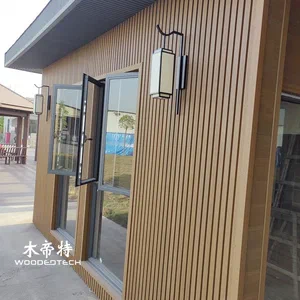
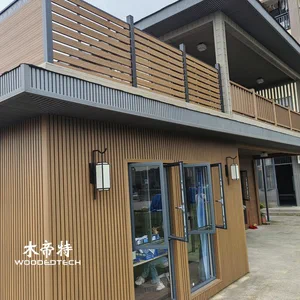
- Exterior facades, depending on product specification
Before placing an order, buyers should confirm whether the panel is designed for indoor use, outdoor use, or both. A panel that works well indoors may not have the UV resistance or weather protection needed for exterior exposure.
What to Check Before Buying
The best buying decisions come from comparing technical details, not just visuals. A sample may look good, but the full shipment must still meet project requirements.
1. Material Composition
Ask the supplier for the composition ratio of wood fiber, polymer, and additives. The mix affects density, rigidity, moisture resistance, and surface quality. A higher-quality formulation usually produces better dimensional stability and a more refined finish.
2. Surface Finish and Texture
Fluted WPC panels are often selected for their visual effect, so surface consistency matters. Check for:
- Even groove depth
- Clean edges
- Uniform color
- Stable embossing or coating
- No visible bubbles, cracks, or rough spots
If the panel will be used in premium commercial spaces, the finish should remain consistent across batches.
3. Density and Strength
Density influences durability, weight, and mounting performance. A panel that is too light may feel weak or hollow, while one that is too dense may be harder to transport and install. Request product specifications and, if possible, compare samples from different suppliers.
4. Fire Performance
For commercial projects, fire rating is often a mandatory requirement. Confirm whether the panel meets local building codes or project standards. Buyers should request test reports rather than relying on general marketing claims.
5. Moisture and Weather Resistance
If the panels will be used in humid spaces, coastal projects, or semi-outdoor areas, moisture resistance becomes critical. Ask whether the product has been tested for water absorption, swelling, fading, and thermal stability.
6. Color Stability
Color shift after exposure to sunlight or cleaning chemicals can affect the overall appearance of a project. For exterior or bright indoor areas, ask about UV resistance and color retention. This is especially important for long-term contracts and repeat orders.
Supplier Evaluation Checklist
Choosing the right supplier is just as important as choosing the right product. A reliable manufacturer can reduce project risk, while a weak supplier can create delays and quality disputes.
When evaluating suppliers, review the following:
- Production capacity and lead time
- Quality control process
- Sample consistency versus bulk shipment quality
- Certification and test reports
- Packaging standards for export
- OEM or customization support
- After-sales service and replacement policy
For importers and distributors, stable supply is often more valuable than the lowest unit price. A slightly higher purchase price may still be better if the supplier can support consistent batch quality and on-time delivery.
How to Compare Prices Correctly
Fluted WPC panel pricing can vary widely, and the cheapest quote is not always the best value. Buyers should compare the full landed cost and project suitability.
Important cost factors include:
- Raw material quality
- Panel thickness and width
- Surface treatment
- Fire rating requirements
- Packaging method
- Shipping volume and container loading efficiency
- Custom color or profile fees
It is also wise to ask whether the quotation includes accessories such as clips, trims, or installation systems. Hidden accessory costs can change the final budget significantly.
Installation and Project Considerations
A good product should also be practical on-site. If the panels are difficult to cut, align, or fix securely, installation costs rise and project timelines slip.
Before ordering at scale, confirm:
- Panel dimensions and tolerances
- Recommended fixing method
- Compatibility with subframes or adhesive systems
- Expansion and contraction behavior
- Cutting and drilling requirements
- Joint visibility after installation
For large commercial projects, installation trials are worth the time. They help identify issues with finishing, alignment, or handling before the full shipment arrives.
Packaging, Shipping, and Storage
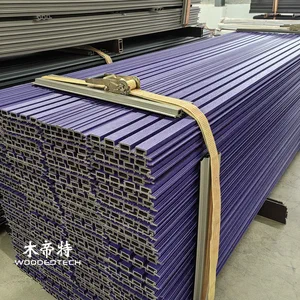
Export buyers should pay close attention to packaging because panel damage during transit can create expensive claims and delays.
Good packaging should protect against:
- Corner damage
- Surface scratches
- Moisture exposure
- Compression during stacking
- Movement inside the container
Storage conditions also matter. Panels should be kept flat, dry, and away from direct sunlight or high humidity before installation. Poor storage can affect appearance and fitting even if the product itself is high quality.
How to Reduce Buying Risk
The safest purchasing process is to combine technical checks with commercial checks. Do not rely on photos alone, and do not place a large order before verifying quality.
A practical sourcing process looks like this:
- Request full specifications and test reports
- Approve physical samples
- Confirm color, size, and finish standards
- Check lead time and production schedule
- Review packaging and loading details
- Start with a trial order if the supplier is new
For ongoing projects, it is useful to keep a written product standard so future orders match the first approved batch.
Buying for Distribution or Private Label
If you are a distributor or brand owner, fluted WPC panel sourcing should also support your market strategy. In this case, customization can be a major advantage.
Options may include:
- Custom colors
- Brand labels and packaging
- Specific panel widths and lengths
- Special surface textures
- Matching trims and accessories
Private label buyers should also confirm whether the supplier can maintain the same formula and color across repeated production runs. Consistency is essential for building trust in the market.
FAQ
Q: What is the difference between fluted WPC panel and PVC wall panel? A: Fluted WPC panel usually contains wood fiber and polymer, giving it a more solid, wood-like feel. PVC panels are typically lighter and may suit different budget or application needs.
Q: Can fluted WPC panel be used outdoors? A: Some products are suitable for outdoor use, but not all. Buyers should confirm UV resistance, weather performance, and the manufacturer’s recommended application.
Q: What certifications should buyers ask for? A: Common requests include fire test reports, environmental compliance documents, and product quality certificates relevant to the target market.
Q: How do I judge panel quality from a sample? A: Check the groove consistency, surface finish, color uniformity, density, edge quality, and whether the sample matches the supplier’s written specifications.
Q: Is OEM customization available? A: Many manufacturers offer custom colors, dimensions, branding, and packaging for B2B buyers, especially for distributor and project orders.