
Finding the Cheapest Composite Decking Boards: A Comprehensive Guide for 2023
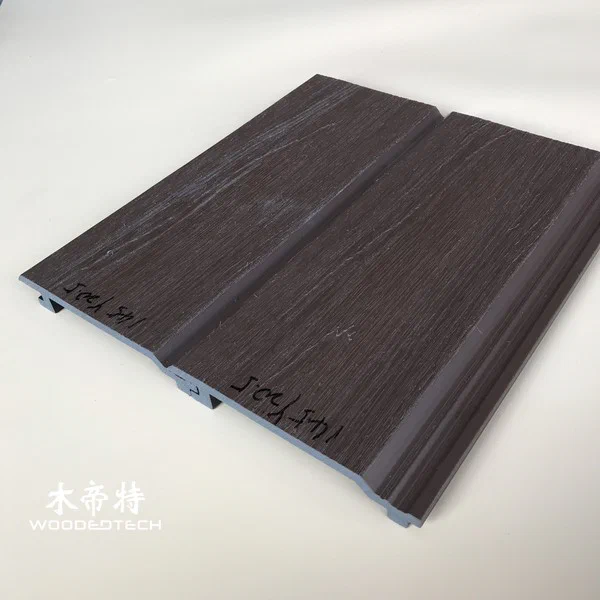
Composite decking, particularly wood plastic composite (WPC), has become increasingly popular for outdoor spaces as a cost-effective alternative to traditional materials. This guide explores the advantages, disadvantages, maintenance needs, and lifecycle costs of WPC compared to natural wood, traditional timber, aluminum, and other exterior materials.
Advantages of WPC Decking
WPC decking offers several appealing benefits. It is highly resistant to moisture, rot, and insects, which helps extend its lifespan compared to natural wood. This durability makes it an excellent choice for outdoor environments where exposure to the elements is a concern. Moreover, WPC is often made from recycled materials, making it an eco-friendly option that appeals to environmentally conscious consumers.
- Low maintenance: Requires minimal upkeep and does not need regular sealing or staining.
- Variety of styles: Available in various colors and textures, mimicking the appearance of natural wood.
- Slip resistance: Many WPC products are designed with features that enhance traction, improving safety.
Disadvantages of WPC Decking
Despite its numerous advantages, WPC decking is not without its drawbacks. The initial cost can be higher than that of traditional wood, which may deter some budget-conscious buyers. Additionally, while WPC is durable, it can be prone to fading and scratching over time, particularly if subjected to heavy foot traffic.
- Cost: Higher upfront investment compared to some types of natural wood.
- Temperature sensitivity: WPC can become hot under direct sunlight, making it uncomfortable for bare feet.
- Limited repair options: Once damaged, WPC can be difficult to repair compared to wood, which can often be sanded or refinished.
Maintenance Requirements
Maintaining WPC decking is relatively simple, which is a significant advantage for busy homeowners. Regular cleaning with soap and water is typically all that’s needed to keep it looking new. In contrast, natural wood requires more intensive maintenance, including periodic staining, sealing, and inspections for signs of rot or insect damage.
- WPC: Clean with soap and water; no sealing or staining required.
- Natural wood: Regular sealing and staining needed; susceptible to mold and rot.
Lifecycle Costs
When considering lifecycle costs, WPC decking can be more economical in the long run despite its higher initial price. The reduced maintenance requirements and enhanced durability contribute to lower overall costs over time. Traditional wood, while cheaper upfront, often incurs higher costs due to frequent maintenance and replacement needs.
- WPC: Higher initial cost but lower long-term maintenance and replacement costs.
- Natural wood: Lower upfront cost but higher maintenance and potential replacement expenses.

Comparison with Other Materials
Natural Wood
Natural wood remains a classic choice for decking but has several limitations, including susceptibility to rot, pests, and maintenance costs. While it offers an authentic aesthetic, the ongoing upkeep can offset its initial affordability.
Aluminum
Aluminum decking is another alternative that boasts longevity and low maintenance. However, it can be more expensive than WPC and may not provide the same warmth or aesthetic appeal as wood or WPC.
Other Composite Materials
Other composite materials, including capped composites, provide added protection against the elements. They tend to have a longer lifespan than traditional wood but can also come with higher price tags.
Related Articles
 Cheap Composite Decking 4m: Budget-Friendly Outdoor Flooring Solutions
 Understanding Composite Decking Boards Cost: A Comprehensive Analysis for 2023
 Comparing the Cost of Composite Decking vs Wood: Insights for 2024 Business Decisions
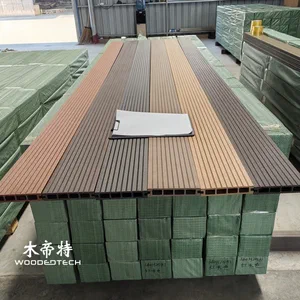 Composite Deck Price vs Wood: An In-Depth Cost Analysis for 2023
Related Products
 GD13820 M Shape Co Extruded Composite Deck Planks Feature a Special Profile Design for Distinctive Outdoor Decking Applications
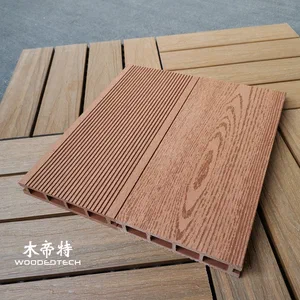 The Classic D14025-4 Red Wood WPC Wood Sheet Features a Timeless 2D Flat Wood Grain Design That Remains Popular After Twenty Years
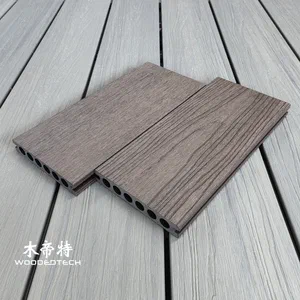 3DGD13823 Second Generation 3D Embossed Rosewood Composite Balcony Decking Delivers Ultra Realistic Wood Grain Texture and a Premium Natural Wood Experience