
fiberon composite deck boards are widely recognized for outdoor decking applications
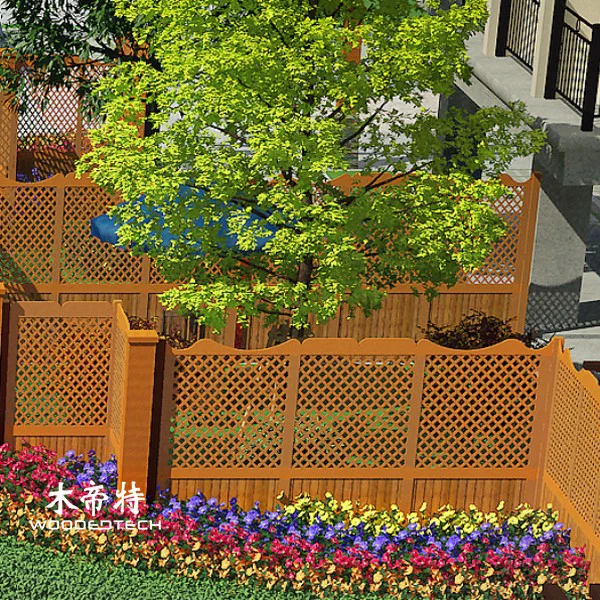
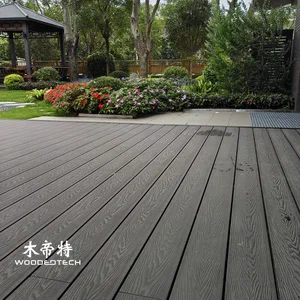
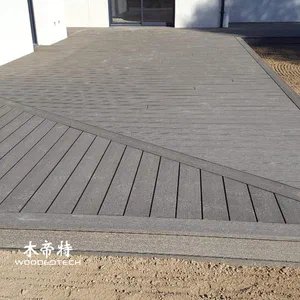
Fiberon composite deck boards are widely recognized for outdoor decking applications because they combine wood-like appearance, strong weather resistance, and low maintenance performance. For international buyers, they are a practical choice when projects need stable quality, consistent supply, and long service life in demanding exterior environments.
Why buyers choose composite deck boards
Compared with traditional timber, composite deck boards are built to handle moisture, sunlight, and daily foot traffic with less upkeep. They help reduce common outdoor problems such as splintering, warping, and frequent repainting, which makes them especially suitable for residential terraces, commercial walkways, poolside areas, and hospitality projects.
From a purchasing perspective, the main value is not just appearance. Buyers also look for predictable color, dimensional stability, and reliable performance across different climates. That is why many outdoor material distributors now prefer composite decking over natural wood when they need a product that is easier to market and simpler to maintain.
Manufacturing details that matter
High-quality composite deck boards depend on raw material selection, extrusion control, and surface treatment. A professional WPC manufacturer typically uses wood fiber, polymer, and additives in a controlled ratio to improve strength and outdoor durability. For upgraded products, co-extrusion or capped surfaces can further improve stain resistance and UV protection.
Key features buyers often request include:
- Slip-resistant surface texture
- Fade-resistant color options
- Hidden fastening compatibility
- Stable board profiles for easy installation
- Low water absorption for outdoor use
These details directly affect project performance and installation efficiency. For export buyers, they also reduce after-sales complaints and improve end-customer satisfaction.
Applications for global outdoor projects
Composite deck boards are widely used in:
- Garden and backyard decking
- Resort and hotel boardwalks
- Rooftop terraces
- Pool surrounds
- Balcony flooring
- Commercial outdoor seating zones
For OEM and wholesale customers, the product can be customized in board size, surface finish, and color to match target market preferences. That flexibility is important for brands looking to build a stronger product line with private label support and stable factory supply.
What international buyers should check before ordering
When sourcing from a WPC factory, compare not only price but also technical consistency. Ask for test data on density, water absorption, slip resistance, and weathering performance. It is also wise to confirm packaging standards, lead time, and whether the supplier can support container loading for mixed SKUs.
A dependable manufacturer should also offer clear guidance on wood plastic composite decking installation, because installation quality affects the final appearance and lifespan of the deck. Good technical support can save time for distributors, contractors, and project buyers alike.

FAQ
Q: Are composite deck boards better than wood for outdoor use? A: In many projects, yes. Composite boards require less maintenance and offer better resistance to moisture, insects, and surface cracking than natural wood.
Q: Can composite deck boards be customized for wholesale orders? A: Yes. Many WPC manufacturers offer custom colors, profiles, packaging, and private label options for international buyers.
Q: What should buyers ask a supplier before placing an order? A: Ask about raw materials, surface treatment, test reports, installation support, and export packaging. These details help verify product quality and supply reliability.
Related Articles
Related Products
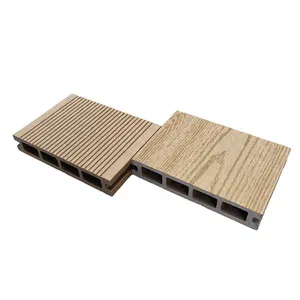
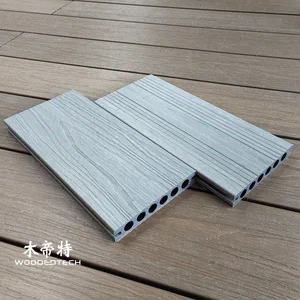 Antique Wood GD13823-3 Co Extruded Composite Wood Decking Boards with Round Holes Are Available in Stock in 3 Meter Lengths Year Round
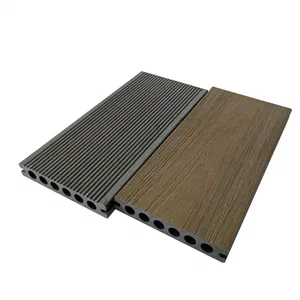 GD14023 Composite Decking Versus Wood Decking Features a Round Hole Structure with Semi Capped Co Extrusion
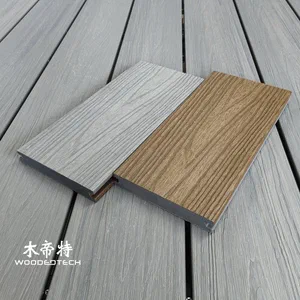 Second Generation Two Color Co Extruded 3D Embossed 3DGD14023S Composite Wood Deck Boards Feature an Extremely Realistic Antique Wood and Teak Grain Texture