
Fake Wood Deck Cost Compared with Traditional Wood Decking Solutions
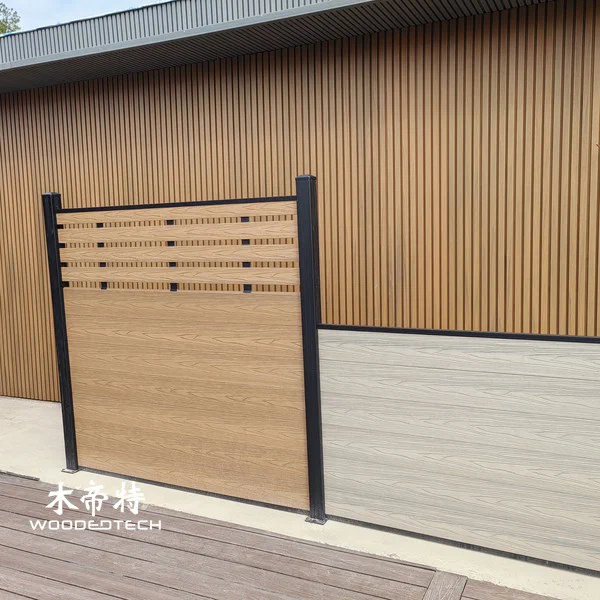
Fake wood deck cost is often lower than many buyers expect, especially when compared with traditional timber systems that need repeated sealing, staining, and repairs. For B2B buyers, the real question is not just initial purchase price, but total installed cost and long-term maintenance risk.
What Drives the Price Difference
Traditional wood decking usually looks cheaper at the start, but the budget changes once you add preservative treatment, fasteners, labor for more frequent upkeep, and replacement boards. In wet, sunny, or high-traffic environments, those recurring expenses can become a major line item over the life of the project.
Fake wood deck cost is typically tied to the material type, board thickness, surface finish, and order volume. Products such as wood plastic composite decking or capped composite decking may cost more per square meter than untreated softwood, but they reduce maintenance cycles and improve service life, which matters for commercial buyers, developers, and contractors managing multiple sites.

Cost Factors Buyers Should Compare
When comparing fake wood and traditional wood decking, look beyond the board price and review the full project scope:
- Material purchase price
- Substructure and fixing system
- Labor for installation
- Surface treatment and ongoing maintenance
- Replacement frequency
- Warranty and performance in outdoor exposure
Composite deck cost is often easier to forecast because dimensions and performance are more consistent from batch to batch. That consistency can reduce waste, speed up installation, and help keep procurement stable across larger projects. Traditional wood can still work well for certain applications, but its price advantage narrows once lifecycle costs are included.
When Fake Wood Makes More Business Sense
For hotels, resorts, public walkways, property developments, and retail outdoor spaces, fake wood decking can offer a better return on investment. The material resists moisture, insects, and color loss better than many natural wood options, which lowers call-backs and protects the customer experience.
It also supports standardization across multiple projects. Buyers who need predictable supply, uniform appearance, and lower maintenance demand often choose composite decking boards over timber because it simplifies purchasing and long-term asset management.
Making a Commercial Buying Decision
If the project is short-term or highly design-specific, traditional wood may still fit the brief. If the priority is stable performance, lower maintenance, and better cost control over time, fake wood decking is usually the stronger commercial choice. Request price comparisons in square meters, include installation details, and compare five- to ten-year ownership costs before placing an order.
FAQ
Q: Is fake wood deck cost always cheaper than real wood? A: Not always at purchase stage, but it is often cheaper over the full lifecycle because maintenance and replacements are lower.
Q: What is the biggest cost advantage of composite decking? A: The main advantage is reduced upkeep. Buyers save on sealing, repainting, and board replacement over time.
Q: Which projects benefit most from fake wood decking? A: Commercial outdoor spaces, hospitality decks, public areas, and multi-unit developments usually benefit most from its durability and predictable maintenance.
Related Articles
Related Products
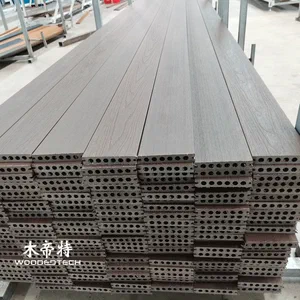
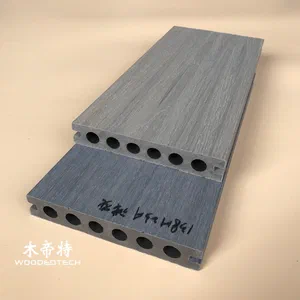 GD13823 Composite Decking Material Features Six Small Round Holes to Reduce Weight While Maintaining Structural Strength
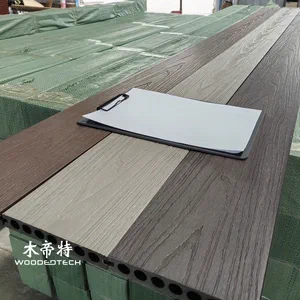
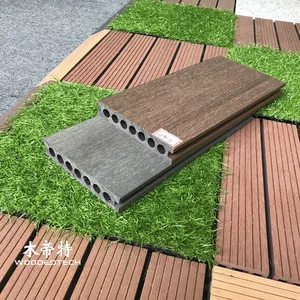 GD13823-2 Wood Versus Composite Decking Features Seven Round Holes with Wood Grain and Brushed Textures on Opposite Sides
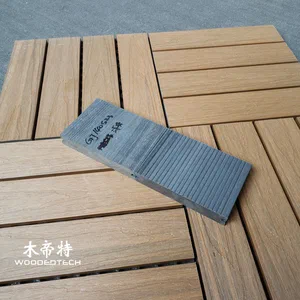 GD14023S Composite Deck Materials Feature a Solid Structure and Side Grooves for Better Adaptability in Extremely Cold Climates