
extruded wood plastic composite decking provides stable quality for outdoor flooring applications worldwide

Extruded wood plastic composite decking is produced through a tightly controlled process that blends wood flour, polymer, additives, and heat into a stable outdoor flooring profile. When the mixing, pelletizing, extrusion, and finishing stages are managed correctly, the result is decking with consistent dimensions, reliable performance, and dependable appearance for global outdoor use.
Material preparation and mixing
The process starts with raw material selection. Typical formulations combine dried wood flour, PE, PP, or PVC resin, coupling agents, lubricants, antioxidants, pigments, UV stabilizers, and sometimes foaming or impact-modifying additives. Moisture control is critical because excessive water can cause bubbles, rough surfaces, and weak internal bonding during extrusion.
High-speed mixing disperses the additives evenly around the wood fibers and polymer powder. The goal is not just blending, but creating a uniform compound that feeds consistently into the extruder. Poor mixing often shows up later as color streaks, weak corners, or unstable profile density.
Pelletizing and extrusion control
After mixing, the compound is usually pelletized to improve feeding stability and reduce dust during production. Clean pellets make it easier to maintain steady output and more accurate metering in high-volume decking lines. A stable pellet size also helps prevent surging at the hopper.
During extrusion, temperature control across each barrel zone must match the material system. The resin must melt fully without burning the wood fiber or degrading additives. If the temperature is too low, the profile will have poor fusion and rough flow lines; too high, and you may see discoloration, odor, or strength loss. Screw design, compression ratio, and venting also affect output quality, especially for solid composite decking boards that require higher internal pressure and more uniform melt.
Mold design and cooling calibration
The die and mold determine profile shape, surface detail, and dimensional accuracy. A well-designed decking die balances flow so both edges, ribs, and grooves form evenly. For capped or co-extruded products, the skin layer must wrap consistently around the core without thin spots or delamination.
Immediately after forming, the profile enters a cooling calibration table. This stage fixes the board dimensions while preventing warpage. Water temperature, vacuum level, calibration sleeve geometry, and line speed must work together. If cooling is too aggressive, internal stress builds up; if it is too slow, the board may deform before it sets.

Surface treatment and finishing
Surface treatment gives the decking its market-ready appearance and traction. Options include embossing, brushing, sanding, grooving, and co-extruded wear layers. Embossed grain improves realism, while anti-slip texturing supports safer outdoor flooring applications in wet climates. Accurate finishing also helps conceal minor extrusion marks and improves product consistency across batches.
Common production problems
The most common issues in WPC decking extrusion include:
- Bubbles or voids from excess moisture or poor venting
- Color variation from uneven pigment dispersion
- Die swell or size drift from unstable temperature or screw speed
- Warping from weak cooling control or poor calibration
- Surface cracking from brittle formulation or overprocessing
- Delamination in co-extruded products from poor skin-core bonding
A stable line depends on controlling every step, from raw material drying to final trimming. That is why buyers worldwide prefer extruded wood plastic composite decking from manufacturers who can hold tight process discipline and repeatable quality.
FAQ
Q: Why is moisture control so important in WPC decking extrusion? A: Moisture can turn into steam during heating, creating bubbles, voids, and surface defects. Dry raw materials help maintain density, strength, and finish quality.
Q: What causes warping in extruded WPC decking boards? A: Warping usually comes from uneven cooling, unstable line speed, or an unbalanced formulation. Proper calibration and temperature control reduce internal stress.
Q: Can surface texture improve outdoor safety? A: Yes. Embossed or grooved finishes increase grip and help reduce slipping in rainy or humid conditions. They also improve the board’s visual appeal.
Related Articles
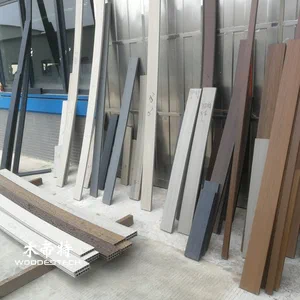 High-Quality plastic wood flooring for decks: Direct from Manufacturer
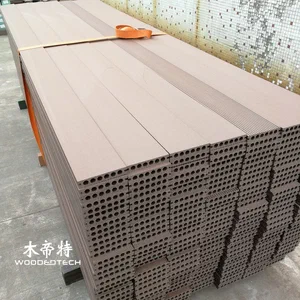 Leading Supplier of wpc decking philippines: Quality Materials for Tropical Climates
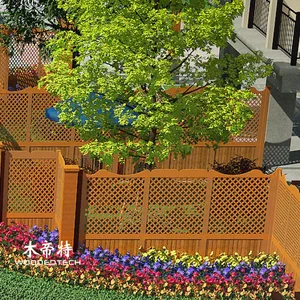 fiberon composite deck boards are widely recognized for outdoor decking applications
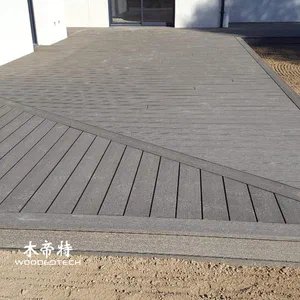 WPC Decks for Residential Commercial and Landscape Outdoor Projects
Related Products
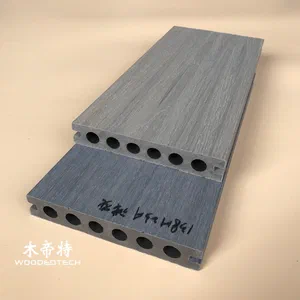 GD13823 Composite Decking Material Features Six Small Round Holes to Reduce Weight While Maintaining Structural Strength
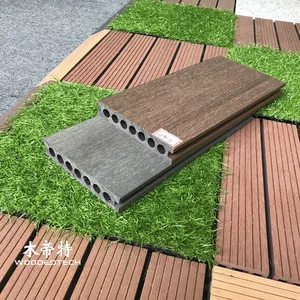 GD13823-2 Wood Versus Composite Decking Features Seven Round Holes with Wood Grain and Brushed Textures on Opposite Sides
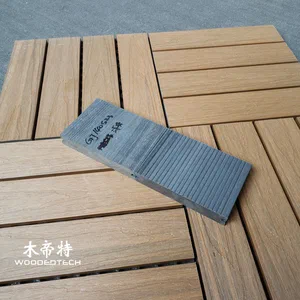 GD14023S Composite Deck Materials Feature a Solid Structure and Side Grooves for Better Adaptability in Extremely Cold Climates