
Exterior wpc panel provides durable and decorative solutions for outdoor wall applications
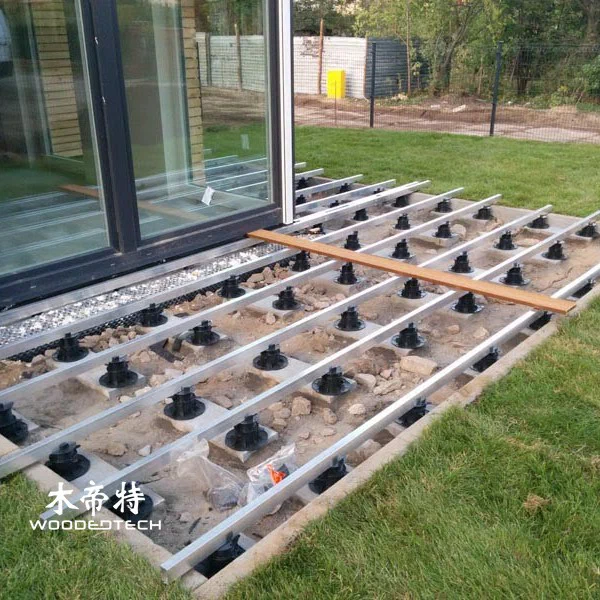
Exterior WPC panel solutions give outdoor walls a clean, durable finish that also adds real design value. For modern projects, the right panel, color, texture, and profile can turn plain façades into architectural features that feel refined and low maintenance.
Modern design direction for outdoor walls
Today’s outdoor design is moving toward simple lines, natural tones, and layered surfaces. Exterior WPC panels fit that direction well because they combine wood-inspired character with the stability needed for sun, rain, and daily weather exposure. Designers now use them not only on feature walls, but also around entrances, garden partitions, pergolas, and screened leisure spaces to create a consistent visual language.
Color plays a major role. Warm teak, walnut, charcoal, and muted gray remain popular because they work across residential and commercial settings. Lighter wood tones can brighten compact courtyards, while darker shades create strong contrast against metal frames, glass, or stone. When used across wall panels, fences, and pergolas, matching or coordinating colors help the whole outdoor area feel more intentional.
Texture, profile, and surface detail
Texture is one of the biggest reasons WPC wall products look premium. Deep wood grain, brushed finishes, and 3D embossed surfaces bring depth that plain flat boards cannot achieve. In exterior wall applications, these surfaces help break up large wall planes and make buildings feel more inviting.
Profiles matter just as much as color. Fluted panels, slatted layouts, and wide vertical or horizontal grooves can change the scale of a wall. Vertical profiles make spaces feel taller and more elegant, while horizontal layouts emphasize width and modern simplicity. For designers, this makes exterior WPC panel systems flexible enough for villas, hotels, retail façades, and garden structures.
Modular design for broader outdoor use
Modern outdoor projects often need faster installation and easy coordination between products. Modular WPC systems support that demand. Panels, fence sections, pergola elements, gazebos, and landscape products can be planned as a family of parts, which helps contractors save time and maintain a unified look.

This modular approach works especially well in mixed outdoor spaces:
- wall panels for façades and privacy screens
- fences for boundaries and visual control
- pergolas and gazebos for shaded seating
- planter boxes, benches, and decorative screens for finishing touches
Because the components share similar textures and color tones, the final space feels connected rather than pieced together.
Durable style for long-term outdoor value
Exterior WPC panels are valued because they balance decoration with performance. They resist moisture, fading, and warping better than many natural materials, which is important for wall cladding exposed to changing weather. That durability makes them suitable for projects that need both long service life and a polished appearance.
For architects, distributors, and project buyers, the appeal is clear: one material system can support multiple outdoor applications while keeping maintenance low and design quality high.
FAQ
Q: Where are exterior WPC panels most commonly used? A: They are used on outdoor walls, feature façades, garden partitions, and building entrances. They also work well with pergolas, fences, and landscape accents.
Q: What design choices make WPC wall panels look more modern? A: Neutral colors, 3D textures, and clean vertical or horizontal profiles create a contemporary look. Modular layouts also help the space feel organized and high-end.
Q: Why choose WPC instead of natural wood for outdoor walls? A: WPC offers a wood-like appearance with better resistance to moisture and weathering. It is a practical choice for projects that need lasting style with less upkeep.
Related Articles
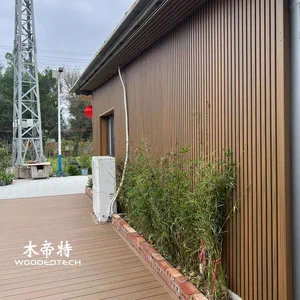 Heavy-Duty WPC Wall Panel Exterior for Weatherproof Building Cladding
 Exterior 3d wall panels create unique textured designs for modern building facades
 Wpc panel types include various designs for exterior walls fences and landscape applications
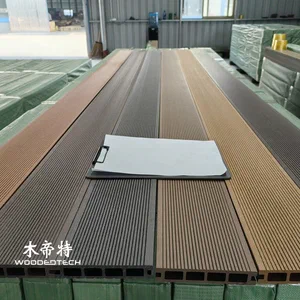 Wpc wall panel price per sq ft helps global buyers understand affordable exterior cladding options
Related Products
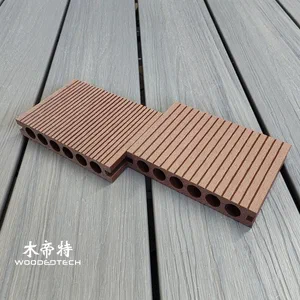 D14025-5 First Generation Large And Small Groove Redwood Color WPC Panel Material With Popular Outdoor Appearance
 B14011 WPC Paneling Sheets Feature Double Flat Surfaces with Heat Pressed Wood Grain Designs for Outdoor Styles
 T5030 is the most commonly used L shape right angle decorative trim for floor and wall panel edges with wpc panels exterior