
exterior composite wood cladding offers a natural wood appearance with durable outdoor performance
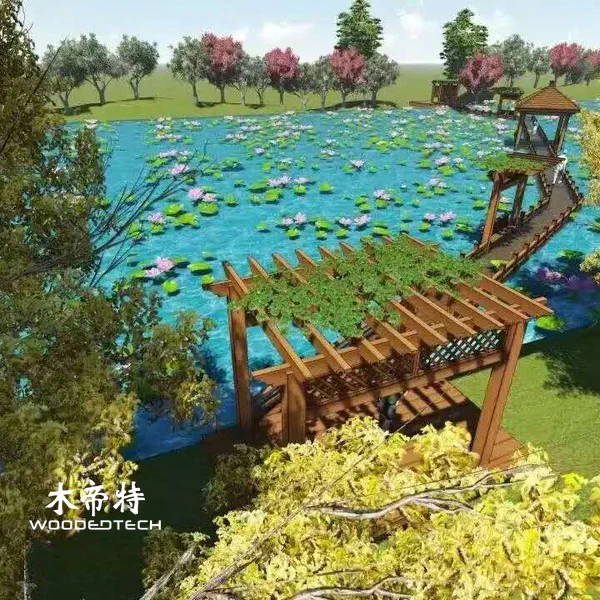
Exterior composite wood cladding gives buildings the look of natural timber without the same level of upkeep or weather-related risk. For architects, developers, and specifiers, it sits in the middle ground between authentic wood aesthetics and long-term exterior performance.
Why WPC cladding is often compared with wood
Outdoor WPC, or wood plastic composite, is designed to mimic the grain and warmth of timber while resisting moisture, insects, and routine surface wear. That makes it attractive for façades, garden walls, soffits, and feature elevations where real wood may look beautiful but demands constant care.
Natural wood still wins on authenticity. Cedar, larch, teak, and thermally modified timber have a depth and variation that composite products only approximate. But wood also moves more, weathers unevenly, and needs sealing, staining, or repainting to stay presentable in exposed conditions.
Performance versus traditional timber and aluminum
Compared with traditional timber, exterior composite wood cladding is more stable in wet or humid climates. It is less likely to rot, split, or become a target for termites, and its color and texture remain more consistent over time. The trade-off is that WPC cannot fully match the richness of premium hardwood, and lower-grade products may fade or expand if poorly specified.
Aluminum offers a different set of benefits. It is lightweight, dimensionally stable, non-combustible in many systems, and highly durable in harsh climates. Still, metal façades can feel cold visually, dent more easily, and often require a higher upfront budget for substructure, fabrication, and finishing. WPC is usually preferred when the project needs a warmer, more natural appearance.
Maintenance and lifecycle cost
Maintenance is where composite cladding usually stands out. Most installations need only periodic washing to remove dust, pollen, and airborne grime. There is no sanding, staining, oiling, or repainting cycle like timber requires, which reduces labor costs and site disruption over the years.
Lifecycle cost depends on product quality, installation details, and exposure conditions. In many projects, WPC has a higher purchase price than standard softwood but a lower total cost than timber because maintenance is simpler and replacement frequency is reduced. Against aluminum, WPC may be cheaper to buy, while aluminum can last longer with less movement and better fire performance in some assemblies. The right choice depends on the building’s design priorities, climate, and service-life target.
Best-fit applications and limitations
Exterior composite wood cladding works well for residential façades, hospitality projects, retail exteriors, and landscape structures where a wood-look finish matters. It is also useful in mixed-material designs paired with stone, glass, or metal.

Its limits should be understood early:
- It can expand and contract more than metal
- Heat and UV exposure may affect color over time
- Product quality varies widely between manufacturers
- Ventilated installation and correct fixings are essential
For buyers comparing exterior materials, the key question is not which product looks best on day one, but which one will still perform and look acceptable after years of sun, rain, and maintenance cycles.
FAQ
Q: Is exterior composite wood cladding better than natural wood? A: It is usually better for low maintenance and weather resistance. Natural wood is better when the design priority is authentic grain and character.
Q: How long does WPC cladding last outdoors? A: Service life depends on product quality, installation, and climate, but a well-made system can perform for many years with basic cleaning. Correct ventilation and fixing methods are important.
Q: Is WPC cladding cheaper than aluminum? A: Often yes on initial material cost, but aluminum may offer a longer service life in demanding projects. The final comparison depends on substructure, finish, and maintenance needs.
Related Articles
Related Products
 3D17618wood look plastic cladding with three dimensional embossed texture offers unique exterior wall decoration effects
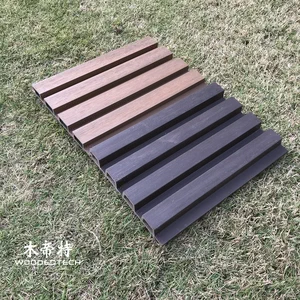
 Q14520.5 wpc cladding outdoor with single layer structure provides a cost effective solution for exterior wall decoration
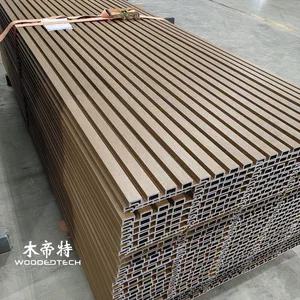
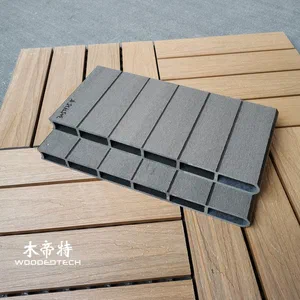 Q30525.4 Extra Wide 300mm Wood Cladding for Exterior Walls with Modern Outdoor Design