
Exterior cladding wpc Panels | Weather-Resistant Architectural Facades
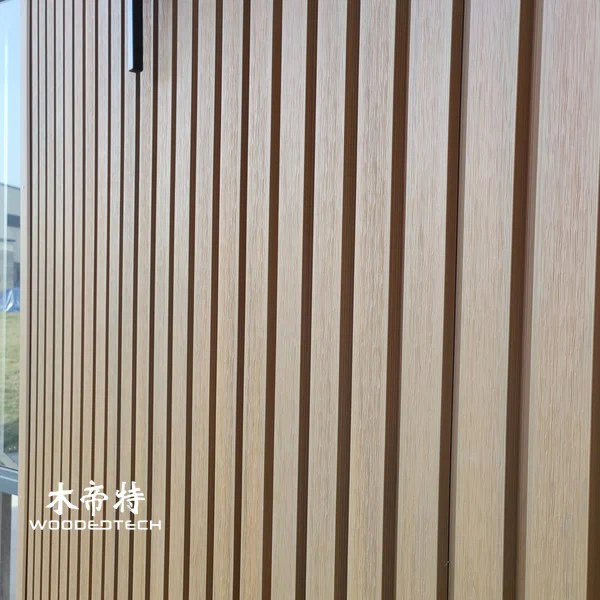
Exterior cladding WPC panels give industrial and commercial buildings a clean architectural finish with reliable weather resistance. They combine the look of timber with the stability of wood plastic composite, making them a practical choice for facades that need to perform in demanding outdoor conditions.
Why WPC cladding works for exterior facades
WPC panels are designed for projects where appearance, durability, and maintenance control all matter. Unlike natural wood, they do not need frequent painting, sealing, or anti-rot treatment, which helps reduce lifecycle costs for warehouses, office buildings, retail exteriors, and public-facing industrial sites. Their consistent finish also makes it easier to achieve uniform cladding across large elevations.
For architects and specifiers, the material offers flexibility without sacrificing function. Exterior cladding WPC panels can be used for full facades, accent walls, soffit features, and screening elements. Many projects choose them because they support modern lines while helping protect the building envelope from rain, UV exposure, and temperature changes.

Performance benefits for B2B projects
In commercial use, facade materials must do more than look good. WPC cladding helps address common concerns such as moisture resistance, surface fading, and warping. When sourced from a reliable manufacturer, panels are engineered for dimensional stability and can be specified for projects that need long service life with predictable upkeep.
Key advantages include:
- Weather resistance for humid, rainy, and sun-exposed environments
- Low maintenance compared with timber
- Consistent color and texture across batches
- Suitability for modern exterior wall designs
- Better project planning with factory-produced profiles and sizes
These benefits make WPC especially relevant for developers, contractors, and distributors looking for a facade system that balances aesthetics and practical installation requirements.
Applications and project fit
Exterior cladding WPC panels are widely used on commercial buildings, industrial parks, hospitality projects, and mixed-use developments. They are also effective for screening utility areas, adding visual warmth to concrete structures, and creating a more premium look for entry zones and perimeter walls. For export buyers, the product fits well into broader outdoor building material portfolios alongside decking, fencing, and louvers.
Selection should focus on profile type, surface texture, installation method, and local climate conditions. Projects in high-sun or coastal areas may require enhanced UV performance, while installations in wet regions benefit from strong moisture resistance and proper ventilation behind the facade.
Choosing the right supplier
For procurement teams, the right supplier should provide clear technical data, stable quality control, and consistent color matching. It also helps to work with a partner that understands bulk orders, custom dimensions, and OEM requirements. That reduces risk during installation and keeps large facade projects on schedule.
FAQ
Q: What are exterior cladding WPC panels made of? A: They are made from wood plastic composite, combining wood fibers and polymer materials for outdoor use. This structure helps improve durability and weather resistance.
Q: Are WPC facade panels suitable for commercial buildings? A: Yes, they are commonly used on commercial and industrial projects because they are low maintenance and visually consistent. They also support modern architectural designs.
Q: Do WPC panels require special maintenance? A: Maintenance is usually limited to routine cleaning with water and a mild detergent. They do not need the same repainting or sealing cycle as natural wood.
Related Articles
Related Products
 3D14520.5wpc exterior wall paneling with 3D embossed surface design creates stylish outdoor building facade solutions
 3D17618wood look plastic cladding with three dimensional embossed texture offers unique exterior wall decoration effects
 Q14520.5 wpc cladding outdoor with single layer structure provides a cost effective solution for exterior wall decoration