
Exploring WPC Plywood: The Future of Sustainable Building Materials in 2023
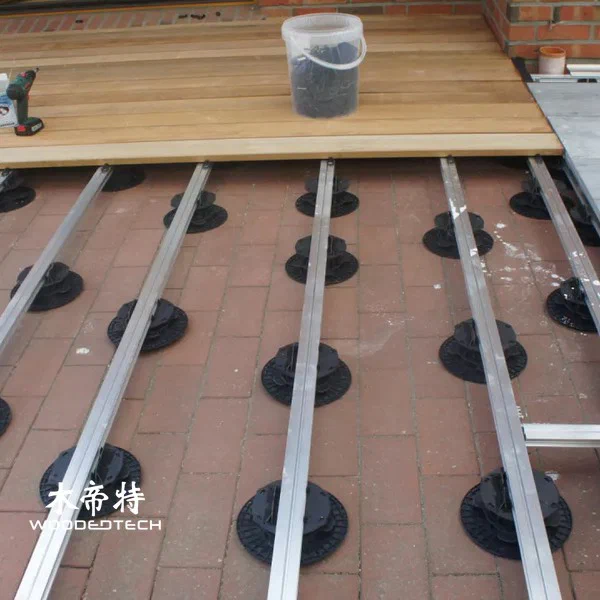
Outdoor Wood Plastic Composite (WPC) is gaining recognition as a sustainable alternative in the building materials sector. Combining recycled materials with innovative engineering, WPC offers a range of benefits, including reduced wood consumption, superior durability, and low maintenance needs. These factors make it an appealing choice for environmentally conscious builders and homeowners alike.
Recycled Materials
One of the standout features of outdoor WPC is its use of recycled materials. Typically composed of a blend of wood fibers and plastic, WPC utilizes post-consumer and post-industrial waste, which helps divert these materials from landfills. By incorporating recycled plastics, WPC not only reduces the demand for virgin plastic production but also contributes to a circular economy where materials are reused rather than discarded.
Reduced Wood Consumption
The use of WPC significantly lowers the need for traditional wood harvesting. With deforestation posing serious environmental challenges, opting for WPC mitigates the pressure on natural forests. This reduction in wood consumption aligns with sustainable building practices, allowing builders to maintain aesthetic and functional qualities without compromising environmental integrity. Moreover, WPC can be engineered to mimic the beauty of natural wood, ensuring that style is not sacrificed for sustainability.
Durability

Outdoor WPC boasts impressive durability compared to conventional wood. Its resistance to rot, insects, and weather-induced wear makes it a long-lasting option for outdoor applications. Unlike wood, WPC does not warp, crack, or splinter, which translates to lower replacement costs and a longer lifespan for structures like decks, fences, and wall panels. This durability not only supports sustainability by extending the material’s usability but also reduces the frequency of maintenance and repairs.
Low Maintenance Advantages
Maintaining outdoor structures can be labor-intensive and costly. WPC minimizes these challenges with its low-maintenance requirements. Unlike traditional wood, which needs regular sealing, staining, or painting to maintain its appearance and integrity, WPC typically requires only occasional cleaning with soap and water. This ease of upkeep not only saves time and money but also reduces the environmental impact associated with maintenance products and processes.
In addition, the fade resistance and color retention of WPC contribute to its aesthetic appeal, ensuring that outdoor spaces remain attractive without the need for frequent refurbishments.
The combination of recycled materials, reduced wood consumption, enhanced durability, and low maintenance makes outdoor WPC a compelling choice in the realm of sustainable building materials. As the demand for eco-friendly solutions continues to rise, WPC stands out as a forward-thinking option that meets both environmental and practical needs.
Related Articles
 Innovative WPC Decking Platform Solutions for Sustainable Outdoor Spaces in 2023
 WPC Cladding Wall Solutions Provide Decorative and Protective Exterior Building Surfaces
 WPC Building Materials Provide Sustainable Solutions For Modern Construction And Outdoor Projects
 Exploring the Benefits of Synthetic Wood Ceiling Solutions for Commercial Spaces in 2023
Related Products
 GD13823-3 Composite Boards for Decking Are Available in Multiple Stock Colors with 3 Meter Lengths and Single Piece Delivery
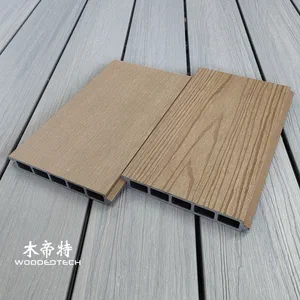 3DGL18024 WPC Longboard Fence Features Premium Co Extruded 3D Embossed Teak Wood Grain Texture with Realistic Natural Wood Fibers
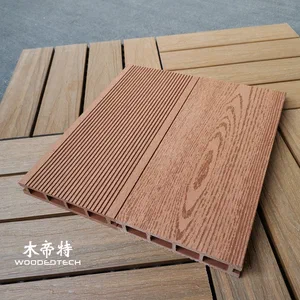 The Classic D14025-4 Red Wood WPC Wood Sheet Features a Timeless 2D Flat Wood Grain Design That Remains Popular After Twenty Years