
Exploring WPC Cladding Texture: Innovations and Applications for 2023
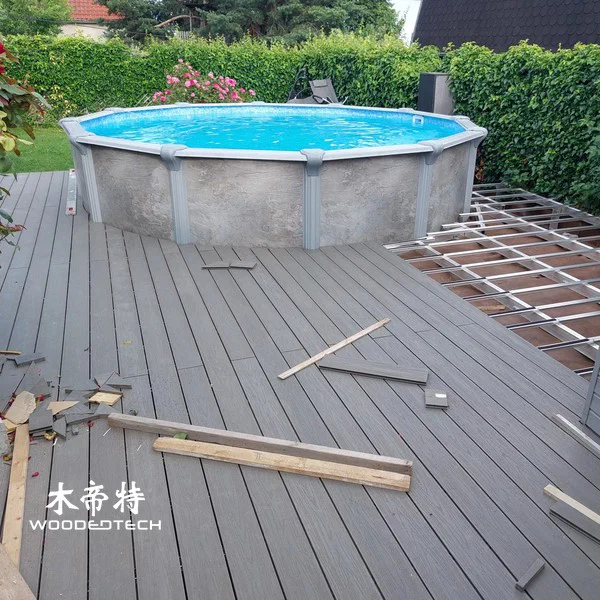
Modern design trends in wood-plastic composite (WPC) materials are transforming outdoor spaces. Focused on aesthetics and functionality, these innovations in composite decking, wall panels, fences, pergolas, gazebos, and landscape products enhance the beauty and usability of outdoor areas. Key elements such as colors, textures, profiles, and modular designs are integral to creating inviting and versatile environments.
Color Innovations
The palette of colors available for WPC products has expanded significantly, moving beyond traditional browns and greys. Designers now incorporate a variety of hues, allowing for more personalized outdoor aesthetics. Rich earth tones, vibrant blues, and even pastels can be found in composite materials, enabling homeowners and businesses to create unique visual experiences. This flexibility in color not only adds character but also complements various architectural styles, making WPC a popular choice for modern outdoor spaces.
Textural Variety
Texture plays a crucial role in the appeal of WPC products. The introduction of 3D embossed textures has become one of the standout features in composite decking and wall panels. These textures mimic the natural grain of wood, providing a warm, organic feel. Options range from subtle grain patterns to bold, pronounced textures that create a tactile experience. This variety enhances the sensory aspect of outdoor spaces while also improving slip resistance for safety.
Innovative Profiles
The profile of WPC products has evolved to meet both aesthetic and practical needs. Modern profiles include tongue-and-groove systems and interlocking designs, which facilitate easier installation and ensure a seamless look. These profiles are not only visually appealing but also contribute to the durability of the structures. By minimizing gaps, they help prevent water accumulation and debris buildup, extending the lifespan of the products.
Modular Designs
Modular designs are revolutionizing the way outdoor spaces are constructed. Many WPC products now feature modular components that can be easily assembled and reconfigured. This adaptability allows users to customize their environments according to specific needs, whether for a backyard deck, a garden gazebo, or a privacy fence. Modular systems simplify installation processes, making them more accessible for DIY enthusiasts and reducing labor costs for contractors.
Applications in Outdoor Spaces
The versatility of WPC materials enables a broad range of applications. For example, composite decking can be used to create elegant patios that withstand the elements. Wall panels can enhance the aesthetics of outdoor buildings, while fences provide privacy without sacrificing style. Pergolas and gazebos made from WPC offer functional shade solutions, encouraging outdoor living. Additionally, landscape products such as planter boxes and garden borders enhance the overall design, creating cohesive outdoor environments.

Sustainability and Maintenance
Sustainability is increasingly important in design considerations. WPC products are often made from recycled materials, reducing environmental impact. Furthermore, they require minimal maintenance compared to traditional wood, as they resist rot, insects, and fading. This durability not only benefits the environment but also appeals to consumers looking for long-lasting outdoor solutions that require less upkeep.
The ongoing evolution of WPC materials reflects a commitment to blending style, functionality, and sustainability in outdoor design. As these innovations continue to emerge, they pave the way for creating beautiful and resilient spaces that meet the needs of modern users.
Related Articles
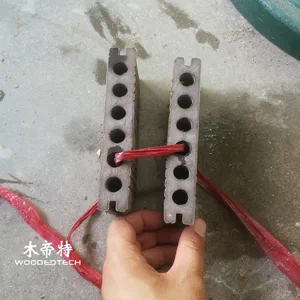 Innovative Composite Deck Edge Ideas for Enhanced Aesthetics and Durability in 2023
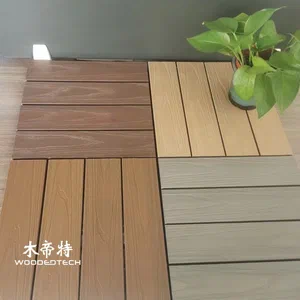 Optimizing Outdoor Spaces: The Benefits of Composite Planks for Decks in 2023
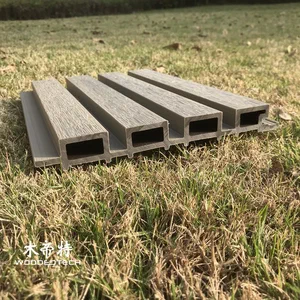 The Future of Outdoor Spaces: Exploring Innovative Composite Decking Materials for 2024
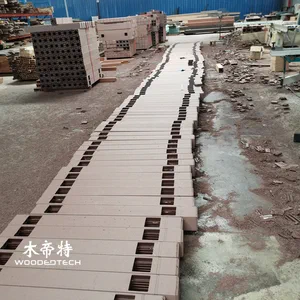 Enhancing Industrial Spaces: The Benefits of Plastic Wood Panels in 2023
Related Products
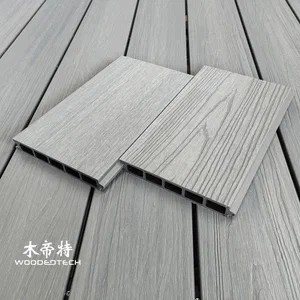 3DGL18024 Composite Decking Fence Features Premium Co Extruded 3D Embossed Antique Wood Grain Texture with Realistic Natural Wood Fibers
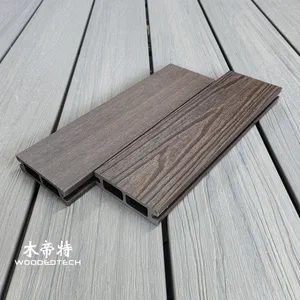 3DGL9024 Composite Decks and Railings Feature Premium Co Extruded 3D Embossed Rosewood Grain Texture with Realistic Natural Wood Fibers
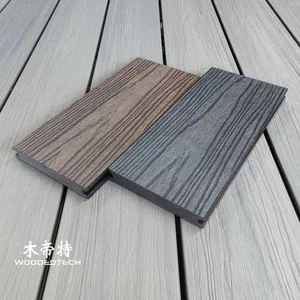 The 3DGD14023S Wood WPC Decking Combines Dual-Tone Rosewood and Dark Grey Colors with a Solid Core and Realistic 3D Embossed Wood Grain