
Exploring the Cheapest Composite Decking Options for Cost-Effective Industrial Projects
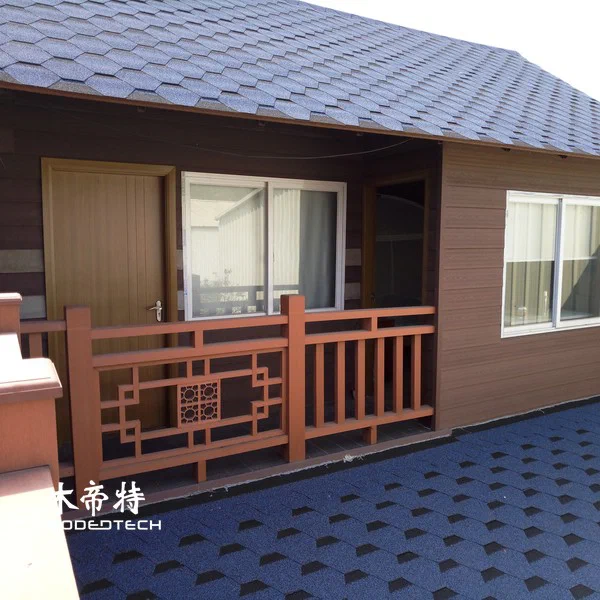
Designing high-performance wood plastic composite (WPC) formulas for outdoor applications involves a careful balance of materials and additives. This approach ensures durability, cost-effectiveness, and aesthetic appeal for products like decking, wall cladding, fencing, pergolas, and landscape elements. Achieving the right mix of wood fiber content, plastic ratio, and additives is crucial to meet both performance and budgetary requirements.
Wood Fiber and Plastic Ratio
The core of any WPC is its composition of wood fibers and plastic. The wood fiber content typically ranges from 30% to 70%, depending on the desired characteristics:
- Higher wood content generally enhances aesthetics and provides a more natural look, resembling traditional wood.
- Lower wood content often contributes to better durability and moisture resistance.
Balancing these components is vital. A higher proportion of plastic can increase resistance to moisture, mold, and insects, but may compromise the wood-like appearance that many consumers prefer.
Additives for Performance Enhancement
Incorporating additives can significantly improve the performance of WPC products:
- UV Stabilizers: These help maintain color and prevent degradation from sunlight exposure.
- Anti-slip Agents: Important for decking applications, these additives enhance safety, particularly in wet conditions.
- Fire Retardants: Useful for compliance with safety regulations, especially in residential and commercial settings.
Additives should be chosen based on the specific application and the environmental conditions the product will face. This can help extend the product lifespan and maintain its appearance over time.

Cost Control Strategies
Cost control is an essential aspect of WPC formulation. Several strategies can be employed without sacrificing quality:
- Sourcing Raw Materials: Opting for locally-sourced wood fibers or recycled plastics can reduce transportation costs and environmental impact while ensuring material availability.
- Optimizing Formulation: Conducting thorough testing to find the lowest effective concentration of additives can help reduce costs while still achieving desired performance.
- Bulk Purchasing: Buying raw materials in bulk can lead to significant savings.
Balancing cost with performance is critical, especially for industrial projects where budget constraints are often strict.
Product Lifespan and Sustainability
A key consideration in WPC design is the product’s lifespan. High-quality WPC can last for decades with proper care, making it a sustainable choice for outdoor applications. Factors influencing longevity include:
- Material Quality: Using high-quality wood fibers and plastics can significantly enhance durability.
- Manufacturing Process: Advanced manufacturing techniques, such as co-extrusion, can create a protective layer that helps prevent wear and tear from environmental exposure.
- Maintenance Requirements: Low-maintenance options are increasingly popular, allowing for easy cleaning and upkeep without the need for frequent refinishing or replacement.
Sustainability also plays a role in consumer preferences. WPC products that utilize recycled materials or sustainable sourcing practices appeal to environmentally conscious buyers.
Conclusion
Creating high-performance outdoor WPC formulas requires a detailed understanding of material interactions, cost implications, and environmental considerations. By carefully balancing wood fiber content, plastic ratios, and performance-enhancing additives, manufacturers can develop products that meet the demands of the market while remaining cost-effective. The focus on durability and sustainability ensures that these products not only perform well but also contribute positively to environmental goals.
Related Articles


Related Products
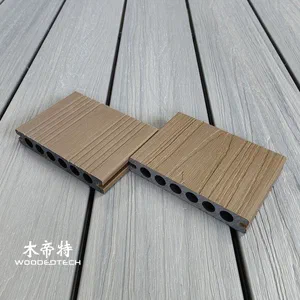 GD13823-3 Teak TK Co Extruded Decking Is a Popular Choice from Composite Decking Suppliers for Outdoor Flooring Projects
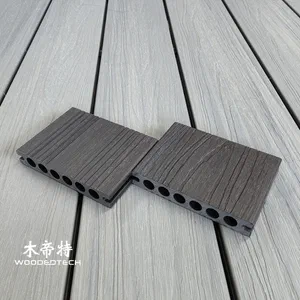 GD13823-3 Walnut WN Co Extruded Decking Features a Dark Rich Color That Helps Resist Visible Dirt and Stains
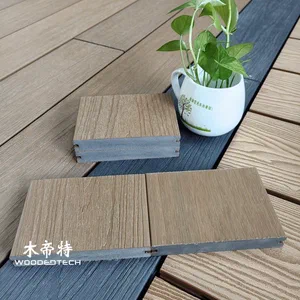 The GD14020S Composite Decking on Sale Features a Solid Core Structure Designed to Withstand Extreme Outdoor Temperature Changes and Freezing Conditions