
Exploring the Benefits of WPC Deco Panels for Industrial Applications in 2023
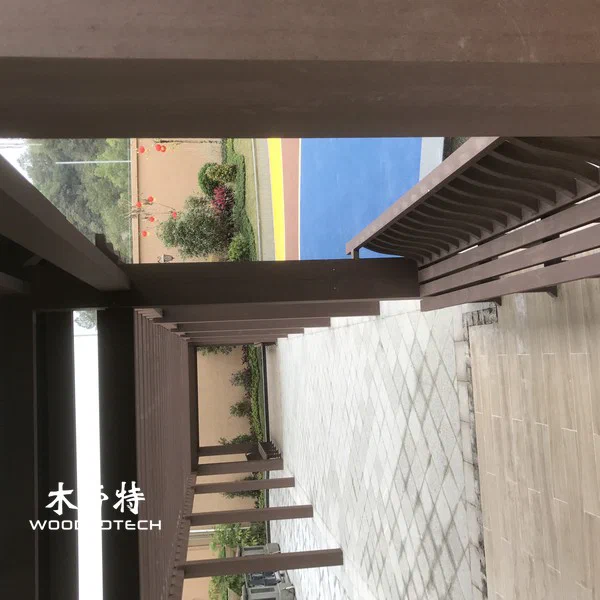
WPC (Wood Plastic Composite) deco panels are increasingly popular among architects and landscape designers for their ability to create durable, low-maintenance outdoor environments. These products combine the aesthetic appeal of wood with the durability and resilience of plastic, making them ideal for various industrial applications. This article explores the advantages of WPC deco panels and offers insights into project considerations and material selection.
Benefits of WPC Deco Panels
WPC deco panels are designed to withstand harsh weather conditions, resist fading, and require minimal upkeep. This durability translates into cost savings over time, as maintenance and replacement costs are significantly lower compared to traditional materials. Additionally, WPC panels do not splinter or warp, offering an added layer of safety for outdoor environments such as parks, walkways, and commercial spaces.
The versatility of WPC allows for a wide range of design possibilities. Available in various colors and textures, these panels can mimic the look of natural wood while providing uniformity and consistency in appearance. This makes them suitable for both contemporary and traditional architectural styles. Furthermore, their lightweight nature simplifies installation, reducing labor costs and project timelines.
Project Considerations
When integrating WPC deco panels into a project, several factors should be taken into account. First, understand the specific environmental conditions of the installation site. Areas with high moisture, for example, may require WPC products with enhanced resistance to water and humidity.
Second, consider the intended use of the space. For high-traffic areas, selecting thicker WPC panels with a robust surface finish can enhance durability. For decorative applications, thinner panels that are easy to install and replace may be more appropriate.
Lastly, compliance with local building codes and regulations is crucial. Make sure to review any guidelines related to material specifications, especially for structural applications such as fencing or cladding.
Material Selection Advice
Choosing the right WPC product involves evaluating several key attributes. Look for panels that offer UV resistance to prevent fading and maintain color vibrancy over time. Additionally, consider the slip resistance of the surface, which is particularly important for outdoor flooring and deck applications.
When selecting WPC panels, also assess their environmental impact. Many manufacturers now offer eco-friendly options made from recycled materials, which can align with sustainable design goals. This not only contributes to a greener project but can also enhance the marketability of the space.
Lastly, it’s advisable to work with reputable suppliers who provide detailed specifications and performance data. This ensures that the chosen WPC products meet the required standards for your specific project needs.

WPC deco panels provide an innovative and effective solution for architects and landscape designers aiming to create sustainable outdoor environments. Their combination of durability, aesthetic appeal, and low maintenance makes them a top choice for modern industrial applications.
Related Articles
 Top Composite Materials Companies: Innovations and Trends for 2023
 Innovative Applications of Plastic Wood Wall Panels in Modern Industrial Design
 Innovative Applications of WPC Wall Cladding Panels in Modern Construction: 2023 Insights
 Composite Wall Siding Offers Modern Exterior Protection And Decorative Building Solutions
Related Products
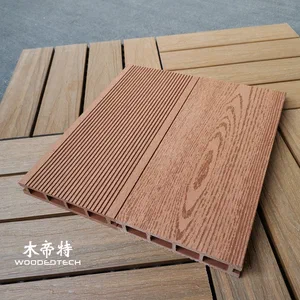 The Classic D14025-4 Red Wood WPC Wood Sheet Features a Timeless 2D Flat Wood Grain Design That Remains Popular After Twenty Years
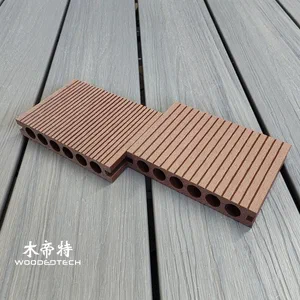 D14025-5 First Generation Large And Small Groove Redwood Color WPC Panel Material With Popular Outdoor Appearance
 B14011 WPC Paneling Sheets Feature Double Flat Surfaces with Heat Pressed Wood Grain Designs for Outdoor Styles