
Exploring the Benefits of WPC Cladding Doors for Durable Industrial Environments
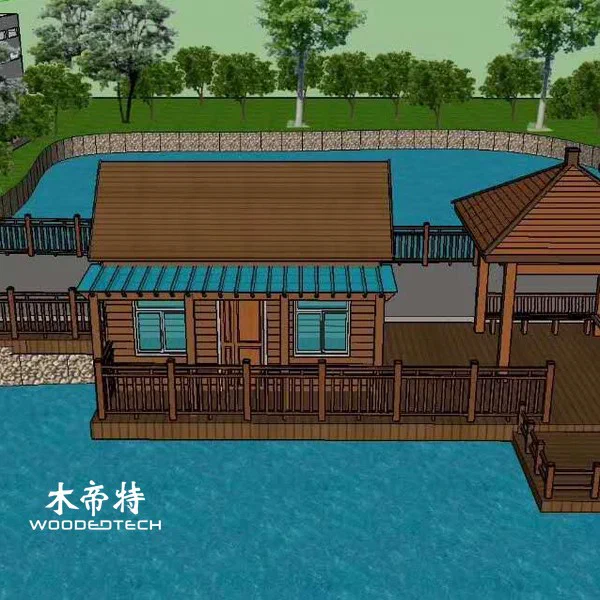
WPC (wood plastic composite) products are increasingly favored by architects and landscape designers for creating robust and low-maintenance outdoor environments. The unique combination of wood fibers and plastic allows WPC materials to offer enhanced durability while minimizing upkeep requirements, making them ideal for various outdoor applications, including cladding, decking, and fencing.
Advantages of WPC Products
WPC materials come with a range of benefits that appeal to both architects and landscape designers:
- Durability: WPC is resistant to rot, splintering, and insect damage, which makes it a long-lasting option for outdoor environments.
- Low Maintenance: Unlike traditional wood, WPC does not require regular sealing or staining, allowing for significant savings in maintenance time and costs.
- Aesthetic Flexibility: With various colors and textures available, WPC products can mimic the look of natural wood while offering the added benefit of enhanced performance.
- Eco-Friendly Options: Many WPC products are made from recycled materials, appealing to environmentally conscious designers and clients.

Project Considerations
When incorporating WPC materials into a project, several factors should be taken into account:
- Climate Conditions: Consider how local weather conditions will impact the longevity and performance of WPC products. Areas with high humidity or extreme temperatures may require specific product formulations.
- Usage Patterns: Analyze how the space will be used. High-traffic areas may need thicker or more durable WPC options to withstand heavier wear.
- Design Integration: Ensure that the chosen WPC materials align with the overall design vision. The versatility in style helps integrate WPC seamlessly into various architectural themes.
Material Selection Advice
Choosing the right WPC product is crucial to achieving the desired outcome. Here are some tips for effective material selection:
- Product Composition: Look for fully capped WPC products, as they offer greater protection against moisture and UV damage compared to uncapped options.
- Surface Texture: Consider the surface finish, such as embossed or grooved textures, to enhance slip resistance and provide a more aesthetically pleasing appearance.
- Local Regulations: Familiarize yourself with any building codes or environmental regulations that may affect material choices and installation practices.
- Supplier Reputation: Partner with reputable suppliers who can provide detailed product specifications and warranties, ensuring quality and longevity.
Incorporating WPC cladding, decking, or wall panels into outdoor designs can lead to stunning results that stand the test of time. By carefully considering project requirements and selecting the right materials, architects and landscape designers can create beautiful, functional, and sustainable outdoor environments.
Related Articles
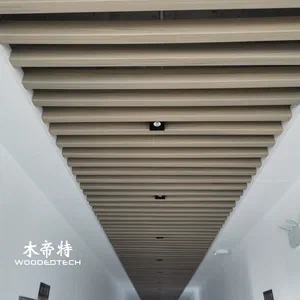
Related Products
 GD13823-3 Composite Boards for Decking Are Available in Multiple Stock Colors with 3 Meter Lengths and Single Piece Delivery
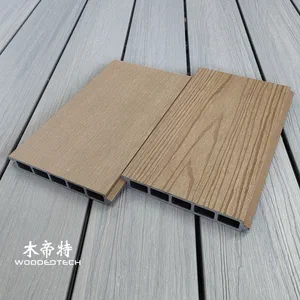 3DGL18024 WPC Longboard Fence Features Premium Co Extruded 3D Embossed Teak Wood Grain Texture with Realistic Natural Wood Fibers
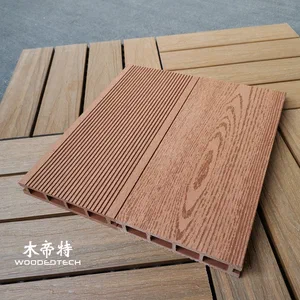 The Classic D14025-4 Red Wood WPC Wood Sheet Features a Timeless 2D Flat Wood Grain Design That Remains Popular After Twenty Years