
Exploring the Benefits of Wood Grain Plastic in Industrial Applications: 2023 Insights
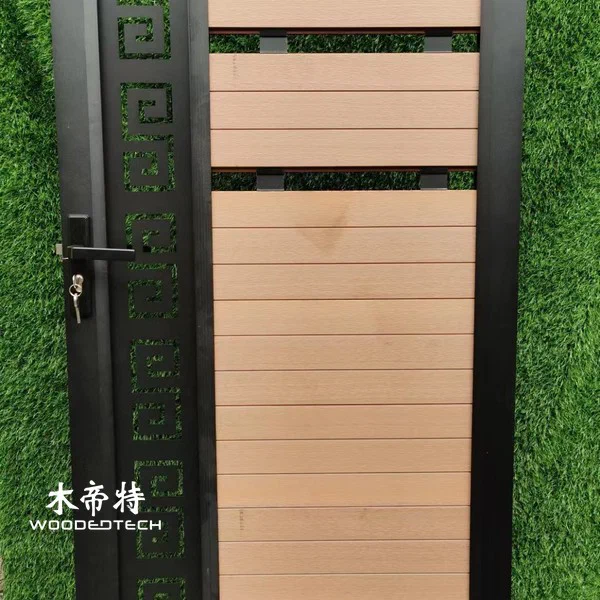
Outdoor wood plastic composite (WPC) is gaining traction as an environmentally friendly alternative in various industrial applications. This innovative material offers benefits such as reduced wood consumption, effective use of recycled materials, enhanced durability, and low maintenance requirements, making it a sustainable choice for builders and manufacturers.
Recycled Materials
A significant advantage of outdoor WPC is its composition, which often includes a substantial percentage of recycled materials. By combining wood fibers with recycled plastics, WPC reduces the demand for virgin resources. This not only conserves natural forests but also diverts plastics from landfills, addressing the growing global plastic waste issue. Using recycled materials in WPC supports a circular economy, where products are designed for longevity and reuse, ultimately reducing environmental impact.
Reduced Wood Consumption

The use of WPC significantly diminishes the reliance on traditional timber. As deforestation and habitat destruction become pressing concerns, the ability to create durable, wood-like materials from recycled resources is a game changer. WPC can replicate the aesthetic qualities of wood while maintaining structural integrity, which means fewer trees are cut down for construction purposes. This shift towards composite materials helps preserve vital ecosystems and promotes sustainable forestry practices.
Durability
WPC is known for its exceptional durability compared to natural wood. It is resistant to rot, splintering, and insect damage, which are common issues with traditional wood products. The composite structure allows WPC to withstand various weather conditions, including moisture, UV rays, and temperature fluctuations. This resilience translates to a longer lifespan, reducing the frequency of replacements and the associated environmental costs of manufacturing, transportation, and disposal.
Low Maintenance Advantages
Maintaining outdoor structures made from traditional wood often involves regular treatments, sealing, and painting to prevent decay and degradation. In contrast, WPC requires minimal upkeep. It does not need staining or sealing and can be easily cleaned with soap and water. This low maintenance characteristic not only saves time and labor costs but also reduces the environmental burden associated with chemical treatments and frequent replacements.
In addition to these benefits, WPC can be designed to meet aesthetic preferences, offering various colors and finishes that mimic the look of natural wood. This versatility makes it appealing for various applications, from decking and fencing to wall cladding and outdoor furniture.
The combination of these factors positions outdoor WPC as a viable and environmentally friendly alternative in construction and design, aligning with the growing demand for sustainable building materials. By choosing WPC, industries can contribute to a greener future while still achieving high performance and aesthetic appeal in their projects.
Related Articles
 WPC Timber: The Sustainable Solution for Modern Industrial Applications in 2023
 Innovations in Composite Boards for Decks: Enhancing Durability and Sustainability in 2023
 WPC Company Inc: Leading Innovations in Sustainable Material Solutions for 2023
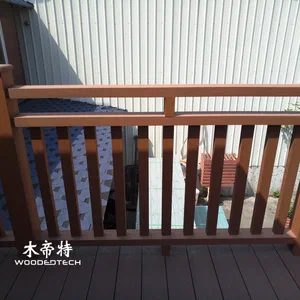 The Advantages of Composite Flooring for Industrial Applications: A 2023 Overview
Related Products
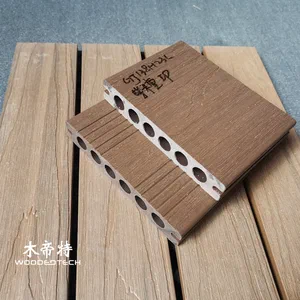 GD13823-3 Composite Boards for Decking Are Available in Multiple Stock Colors with 3 Meter Lengths and Single Piece Delivery
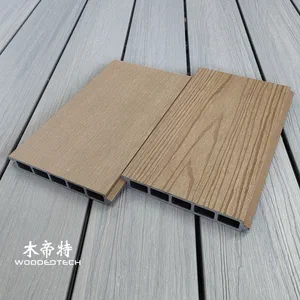 3DGL18024 WPC Longboard Fence Features Premium Co Extruded 3D Embossed Teak Wood Grain Texture with Realistic Natural Wood Fibers
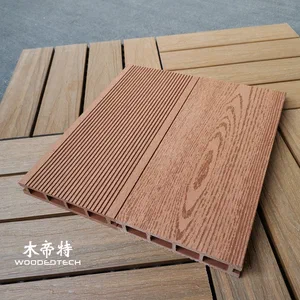 The Classic D14025-4 Red Wood WPC Wood Sheet Features a Timeless 2D Flat Wood Grain Design That Remains Popular After Twenty Years