
Exploring the Benefits of Synthetic Wood Ceiling Solutions for Commercial Spaces in 2023
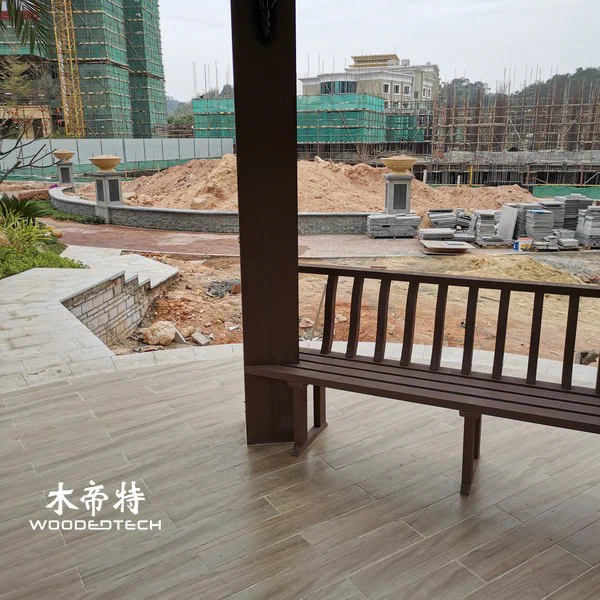
Outdoor wood-plastic composite (WPC) has gained recognition as an environmentally friendly alternative in the construction sector. By utilizing recycled materials, reducing the consumption of natural wood, and offering superior durability with low maintenance, WPC stands out as a sustainable choice for outdoor applications.
Recycled Materials
One of the most compelling aspects of outdoor WPC is its composition. This material typically combines recycled plastics with wood fibers, which drastically cuts down on the demand for virgin timber. By repurposing plastic waste and wood scraps, the production of WPC reduces landfill contributions and lessens the environmental impact associated with extracting and processing new wood. This synergy between recycled materials not only promotes sustainability but also encourages the circular economy.
Reduced Wood Consumption
The advent of WPC has significant implications for the forestry industry. Traditional wooden products often lead to deforestation and habitat destruction, while WPC offers a way to enjoy the aesthetic and functional benefits of wood without the ecological drawbacks. By using WPC, builders and architects can help conserve forests and promote responsible land management practices. This reduction in wood consumption is especially crucial in areas where tree harvesting threatens local ecosystems.
Durability

Durability is a key consideration in outdoor materials, and WPC excels in this area. Unlike traditional wood, which is susceptible to rot, splintering, and insect damage, WPC is engineered to withstand the elements. It is resistant to moisture, UV rays, and temperature fluctuations, making it ideal for outdoor settings. This longevity translates to fewer replacements and repairs, further reducing the environmental footprint associated with frequent material turnover.
Low Maintenance Advantages
Another significant benefit of WPC is its low maintenance requirement. Traditional wooden structures often need regular treatments with stains, sealants, or paints to maintain their appearance and structural integrity. WPC, on the other hand, typically requires only simple cleaning to maintain its look and functionality. This reduced need for chemical treatments not only saves time and resources but also minimizes the release of harmful substances into the environment.
Incorporating WPC into outdoor designs not only enhances the sustainability of a project but also offers practical benefits. With a variety of textures and finishes, WPC can mimic the look of natural wood while providing the advantages of a synthetic material. This versatility allows designers to create visually appealing spaces without compromising on environmental values.
The growing awareness of eco-friendly building practices has made WPC a popular choice among commercial developers and contractors. As sustainability becomes a priority, the use of outdoor WPC is expected to rise, reflecting a shift towards more responsible consumption in construction and landscaping.
Related Articles
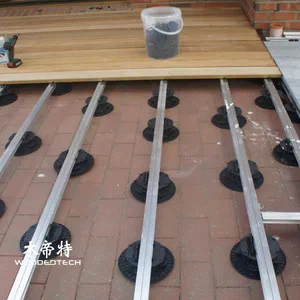 Exploring WPC Plywood: The Future of Sustainable Building Materials in 2023
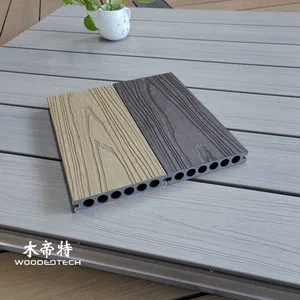 Exploring the Benefits of WPC Coffee: A Sustainable Solution for 2024
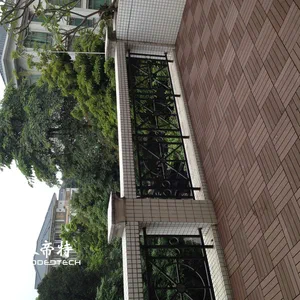 Innovative WPC Decking Platform Solutions for Sustainable Outdoor Spaces in 2023
 WPC Cladding Wall Solutions Provide Decorative and Protective Exterior Building Surfaces
Related Products
 B1409.5 Siding WPC Exterior Boards Provide Waterproof Insect Resistant and Durable Outdoor Wall Solutions
 B30014 Plastic Wood 4x8 Sheets Provide Wide Thin Boards for Large Outdoor Display and Surface Applications
 B7015 HDPE Wood Composite Boards Are Commonly Used for Small Outdoor Garden Fence and Decorative Projects